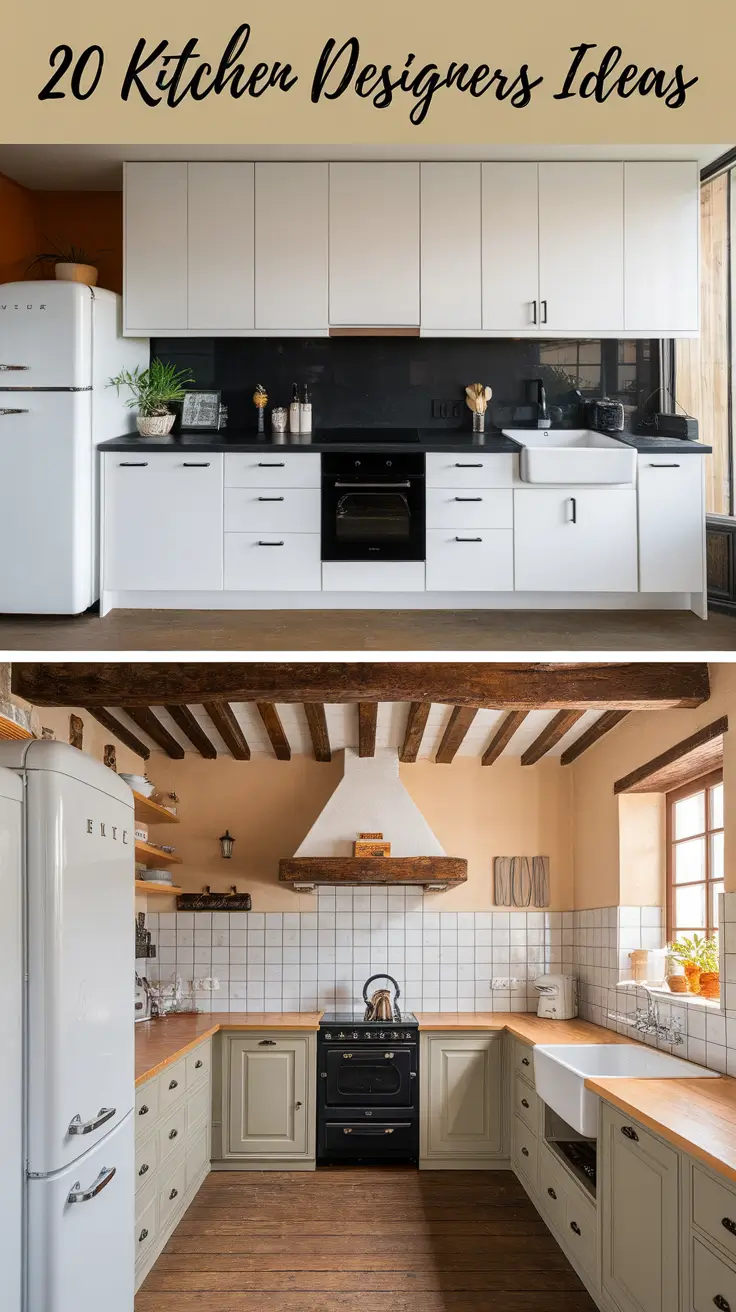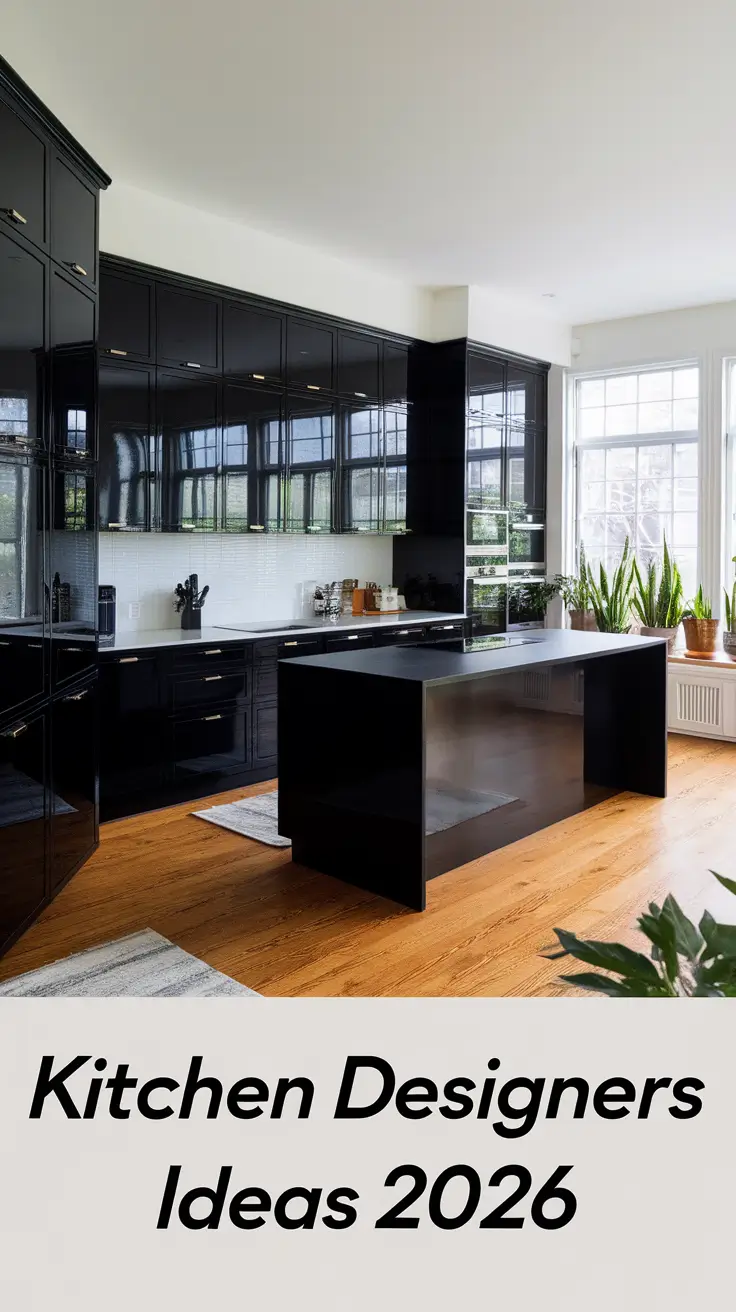
The future of 2026 kitchen design is shifting towards an era of the kitchen incorporating all three elements of functionality, emotion and style into one unified experience. What will 2026 trends transform both small and large kitchens, and why do designers pay that much attention to the elements of warmth, flexibility, and personalization? What is so attractive about the new wave of modern, organic modern, Scandinavian and modern luxury kitchens when it comes to home cooking as well as life comfort? In this paper, I discuss the top trends that kitchen designers are focusing on in 2026 and how each of the trends can change the ordinary way of life, particularly in small spaces and the current open layouts.
Tiny Kitchen Innovations For 2026
Small kitchens in 2026 cease to be associated with trade-off. When designing in small or small spaces, I tend to put an emphasis on maximising the use of vertical planes, surfaces that have multifunctional uses and open visual spaces. In this year it focuses on the smart choice of materials, subtle appliances, and minimal silhouettes that do not make small rooms appear crowded. The small kitchen has a lot to do, and by 2026, it will involve adding more storage, incorporating smooth lighting, and making the circulation flow in the small square area despite the limited area.
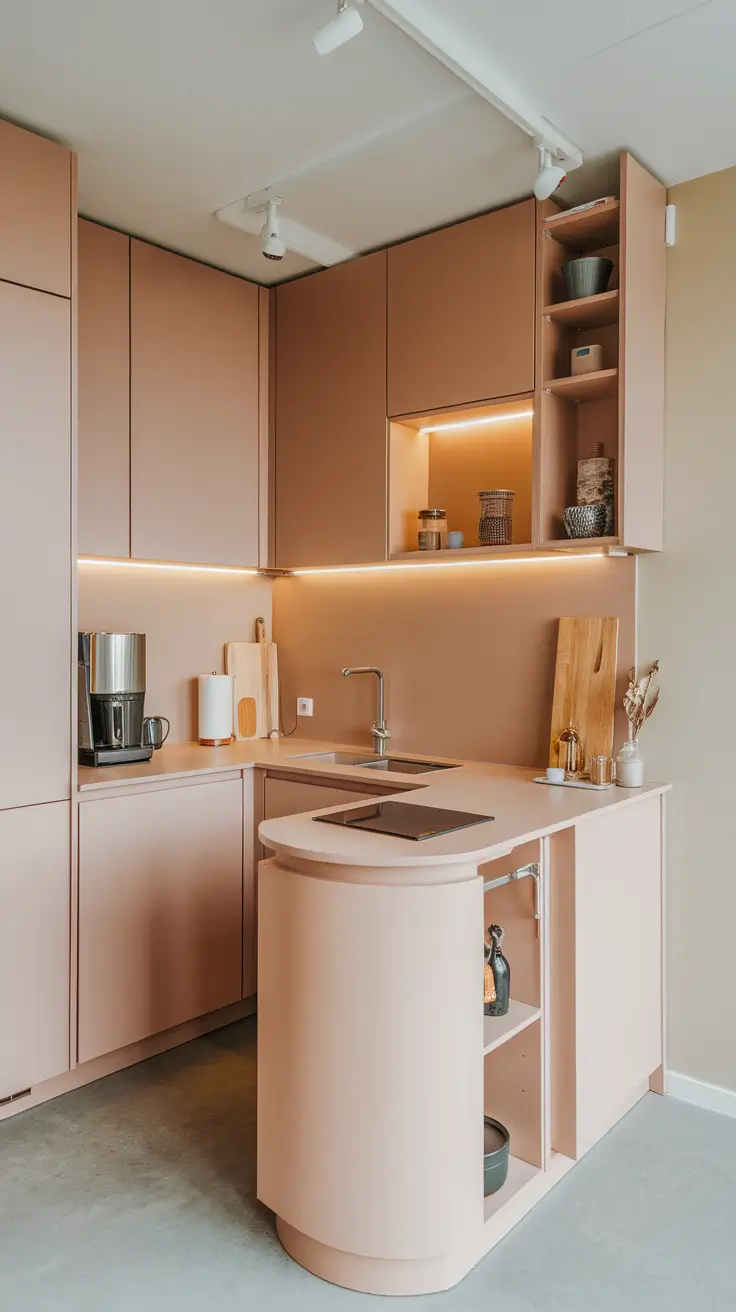
Spindly-looking cabinetry, modular shelves, sliding dining tables, and one-unit appliance towers are some of the items that I enjoy when specifying furniture and materials to use in any tiny kitchen concept. It can also be a dramatic increase in usability by a magnetic rail system of utensils, a sliding island, or a fold-down prep table. I prefer finishes that have a low sheen so that the natural light is reflected and the space is raised. In restrictive footprint, there is a high-quality hardware and intelligent arrangement of places, which guarantee everyday convenience.
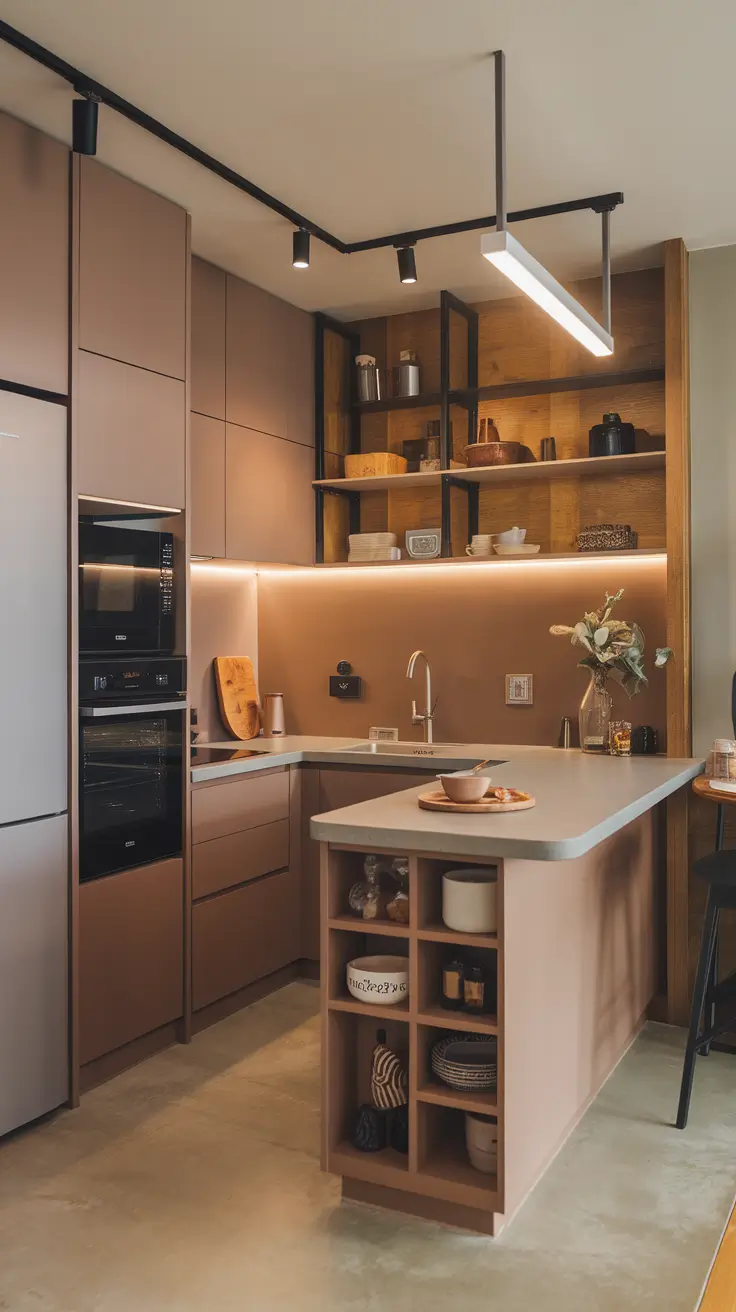
In my case, micro kitchens work well when every single detail has more than one use. The designers of the Architectural digest usually state that this new luxury in small interiors is multifunctionality and I will have to support them in this. I have observed clients change their everyday lives just by changing their countertop systems to modular systems or convertible storage that changes tasks easily.
In case there is anything that needs to be added to this section, it is perhaps the increased focus on new appliance technologies in 2026. I would also add newer energy saving micro-ovens, slim induction surfaces and miniature dish drawers which would make tiny-kitchen even more practical.
Scandinavian Calm The New Minimal Kitchen Aesthetic
Scandinavian kitchen vision of the future, 2026, is based on the traditions of minimalism and introduces emotionality and biophilia. In the case of this style of work, I would strive to develop atmospheres based on balance, tranquility, and softening of natural touch. The color palette is also leaning towards the use of soft white color, warm grey, and wood, which makes the kitchen look spacious and cozy even in a small area. This design trend indicates a strong yearning to have a kitchen that heals, and not overpower.
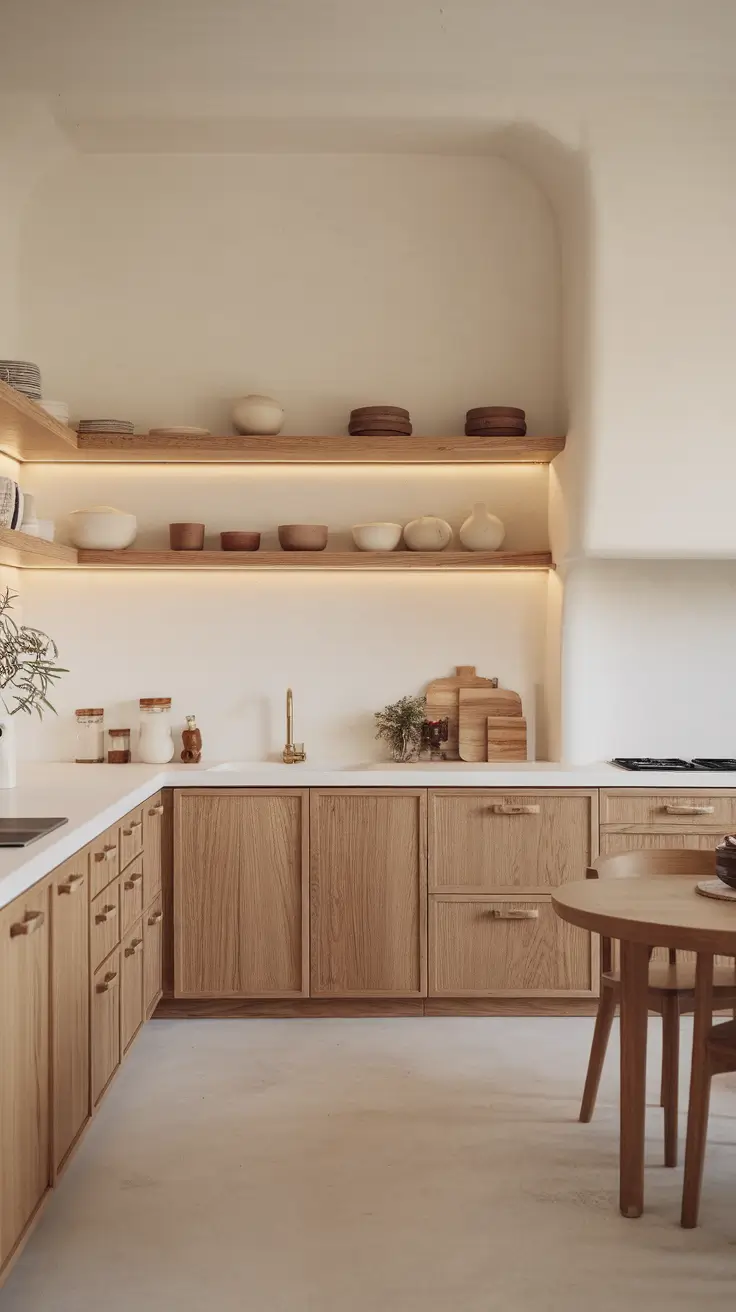
Scandinavian-style kitchens have deliberately minimal furnishings: flat-packed cabinets, natural oak finishes, smooth hardware, and loos organic fabrics. I combine embedded sitting areas, open shelves with collections of ceramics, and linear lighting, which shines but is not glaring. Each object looks deliberate. The minimalistic shape of a Scandinavian kitchen adds to visual unity, which makes it an ideal source of both contemporary and transitional house interiors.
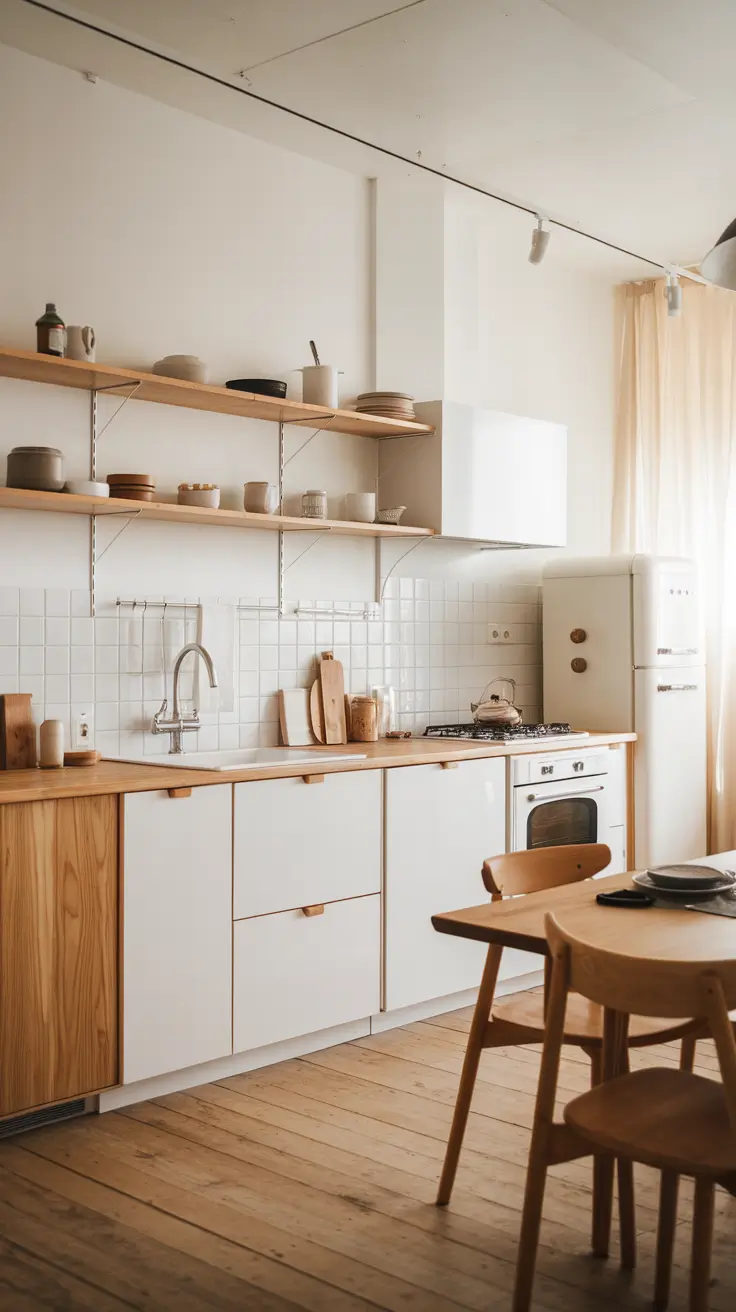
I have found in my work that Scandinavian kitchens are very age-old since they are not trendy. Most of the design gurus in the US observe that the Scandinavian style encourages people to live consciously, and I have seen clients who have become more organized and relaxed once they switched to such a style. The minimalism is toned down by warm woods and made not too austere.
In order to improve this part, I would incorporate the emphasis on eco-friendly materials. The Scandinavian design does well when combined with sustainably sourced woods, non-toxic paints, and recycled stone surfaces.
Defining The 2026 Trends In Modern Kitchen Design
By 2026, modern kitchens are more expressive and adaptive in line with the change in the way people cook and assemble. Listing 2026 trends, I would mention an increased use of natural materials, curved architecture, and multitasking designs. The trend of integrating technology with craftsmanship is very strong, which provides the kitchens with the feel of being both high-performance and homey. Curved edges, neutral colors, and enhanced zoning are used to develop the kitchen that is easily adjustable to the changes in the lifestyle.
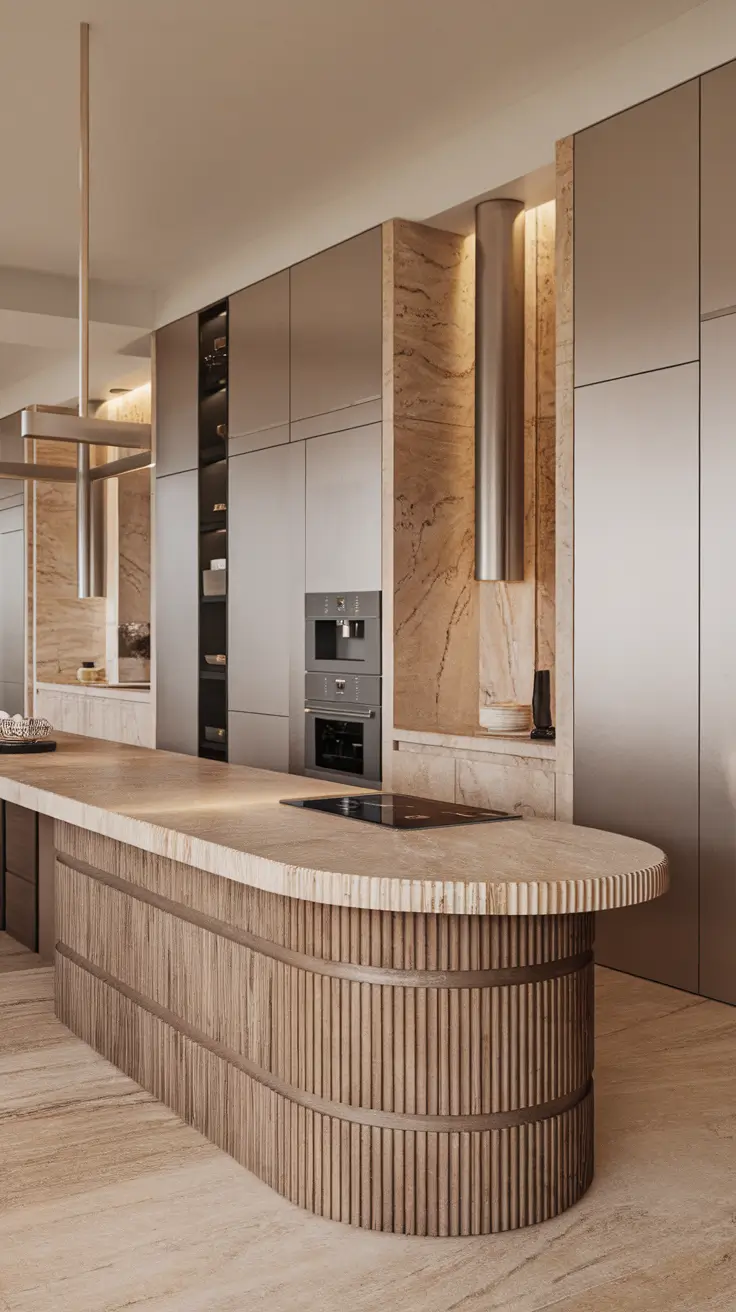
In terms of design, some of the major architectural aspects of the modern 2026 kitchens are sculptural islands, textures of fluted wood, concealed appliances and sophisticated task lighting. I use such materials as travertine, quartzite, clay-based tiles, and brushed metals as they add to sensual experience. The furniture items like upholstered counter stools, modular pantry systems and open display niches provide personalization without compromising on functionality.
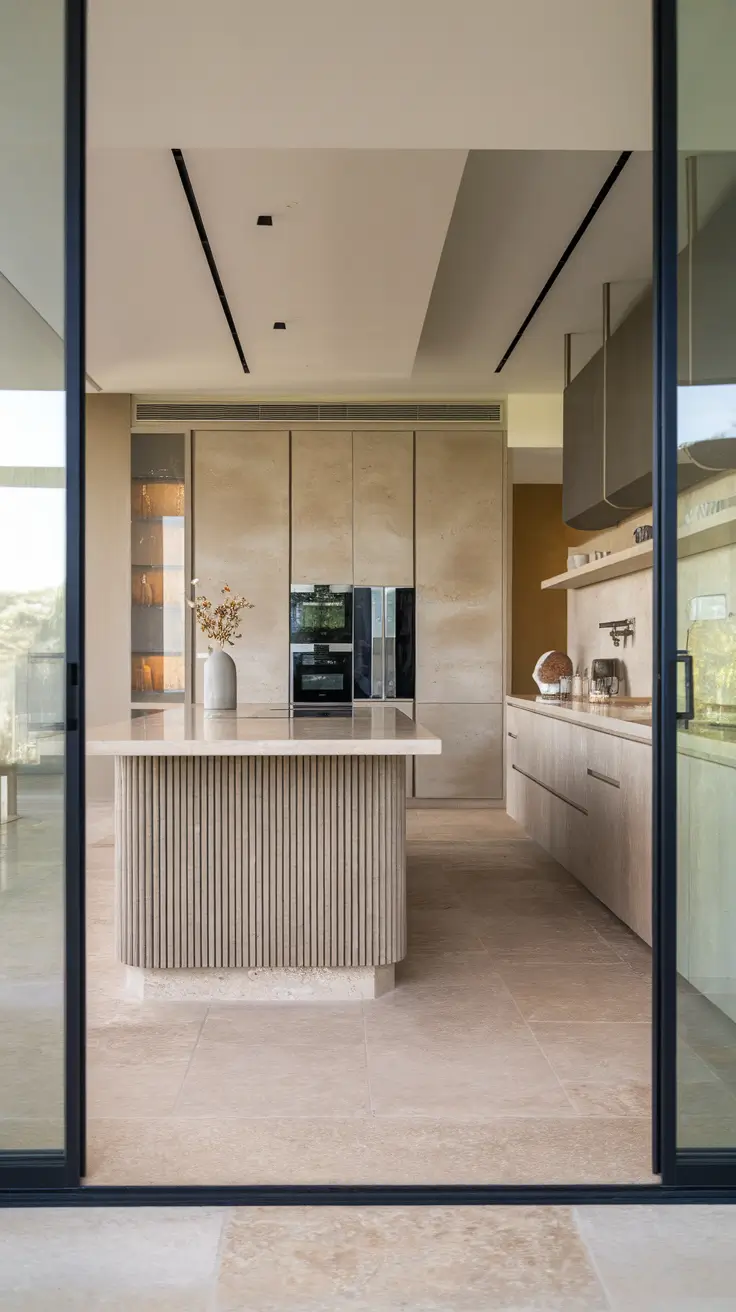
After attending international kitchen fairs and media including Dezeen, I have observed that the trends of 2026 in designing focus more on emotional attachment. The kitchens are changing to be more expressive living rooms rather than functional. Custom craftsmanship, including handmade tiles or artisanal woodwork, is a design that clients react to particularly successfully, in my opinion.
Had I decided to extend this section, I would have included more information on built-in intelligent systems such as programmable lighting, sensor-driven faucets, and climate-sensitive refrigerators.
White Kitchens Reinvented With Warmth And Texture
The traditional white kitchen is transformed in 2026 and this time it is not as sterile and harsh as it was before, but rather much more textured and layered with warmth. In coming up with a modern white kitchen, I use a combination of matte finishes with natural wood, stone veining, and soft lighting to ensure that it is not flat. This is the way of modernizing the aesthetic and still maintaining the clean brightness that homeowners admire. The effect of this is a kitchen that is uplifting, warm and lovely to live in.
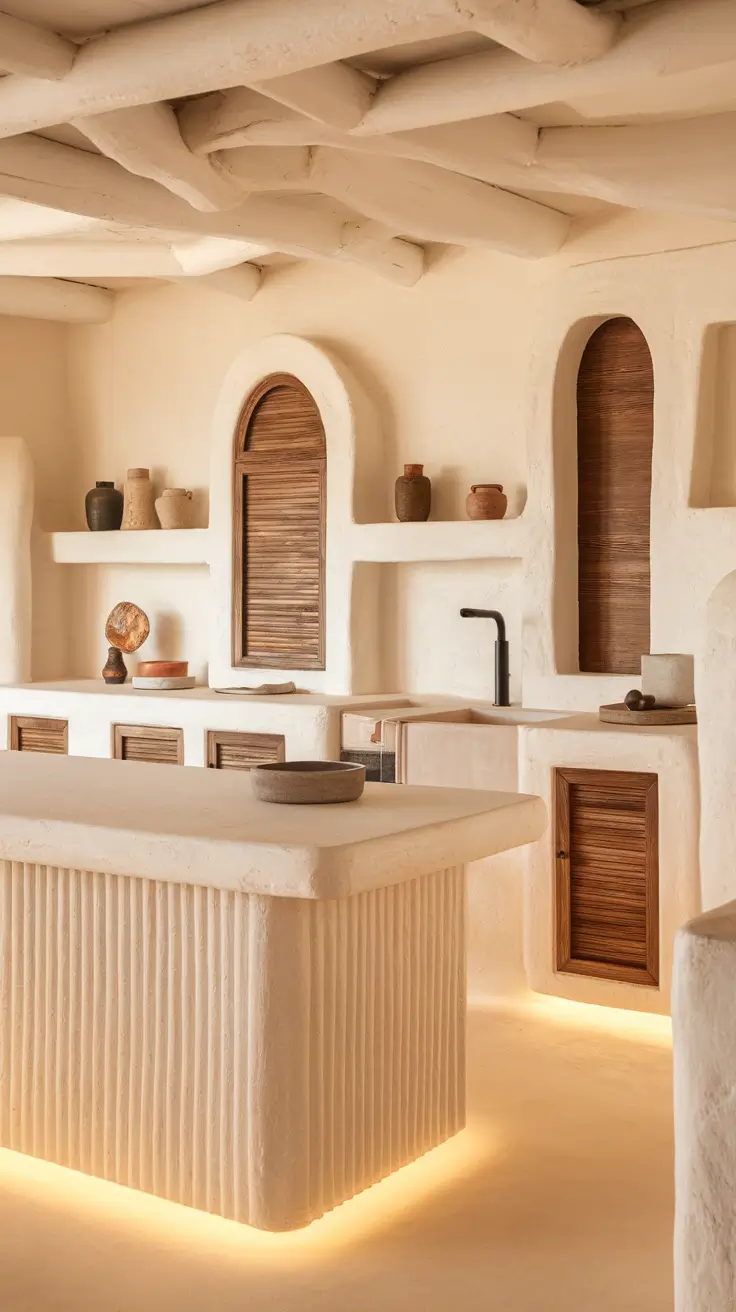
My style usually blends white cabinets with oak or walnut trimming, textural tiles, warm metal hardware and layered lighting. A stone island with veins is brought into the limelight that adds depth and finesse. Dimensional use of soft linen barstools, ribbed cabinet fronts, and hand crafted ceramic decoration adds dimension and comfort. These elements make the picture interesting without making the palette too monochromatic.
Personally, I can say that in texture, white kitchens are able to as well age. The designers in the recent cover of House Beautiful concur that, in the years ahead, there will be no color, instead, the texture that provides all the richness that people had earlier gained using more daring palette. I have applied this idea in most of my new projects and achieved brilliant outcomes.
To this part, I would also add a more emphasis to the use of sustainable materials like recycled quartz or natural limewash finishes to make white kitchens less harmful to the environment.
Designing A Kitchen That Truly Feels Like Home
The 2026 kitchen that resembles a home is comfortable, full of character, and emotionally appealing. My designs of these spaces are concerned with soft edges, light layering, and storytelling. The strategy assists families and individuals who consider the kitchen as a place of belonging. The use of warm colors, natural fabrics and comfortable seating chairs help the kitchen to look like a continuation of everyday life rather than a functional room.
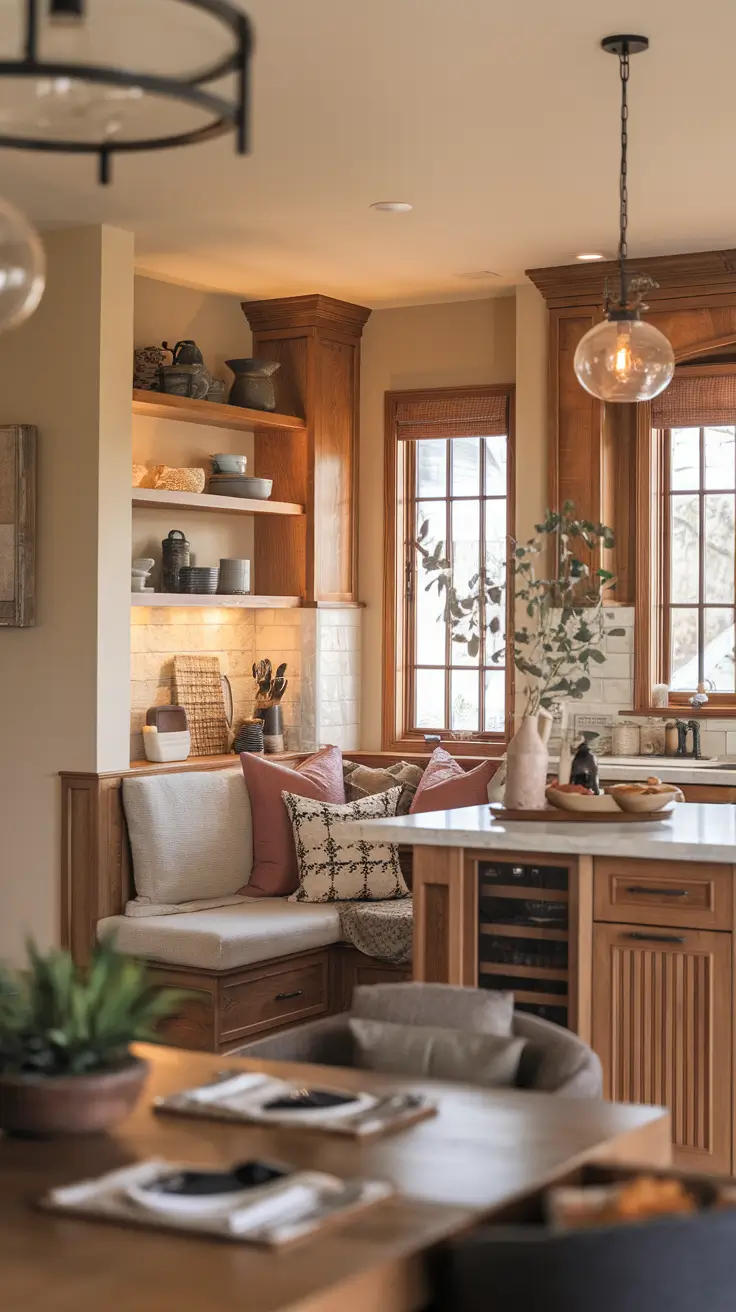
The furniture decisions are very important. Breakfast-nooks, lounge-style seating around the island, pottery that has been crafted by hand, framed artwork and open shelves filled with the items that have been previously used give the emotional attachment to the space. I also combine lighting scenes which change through out the day to give a sense of atmosphere like serene mornings and bright evenings.
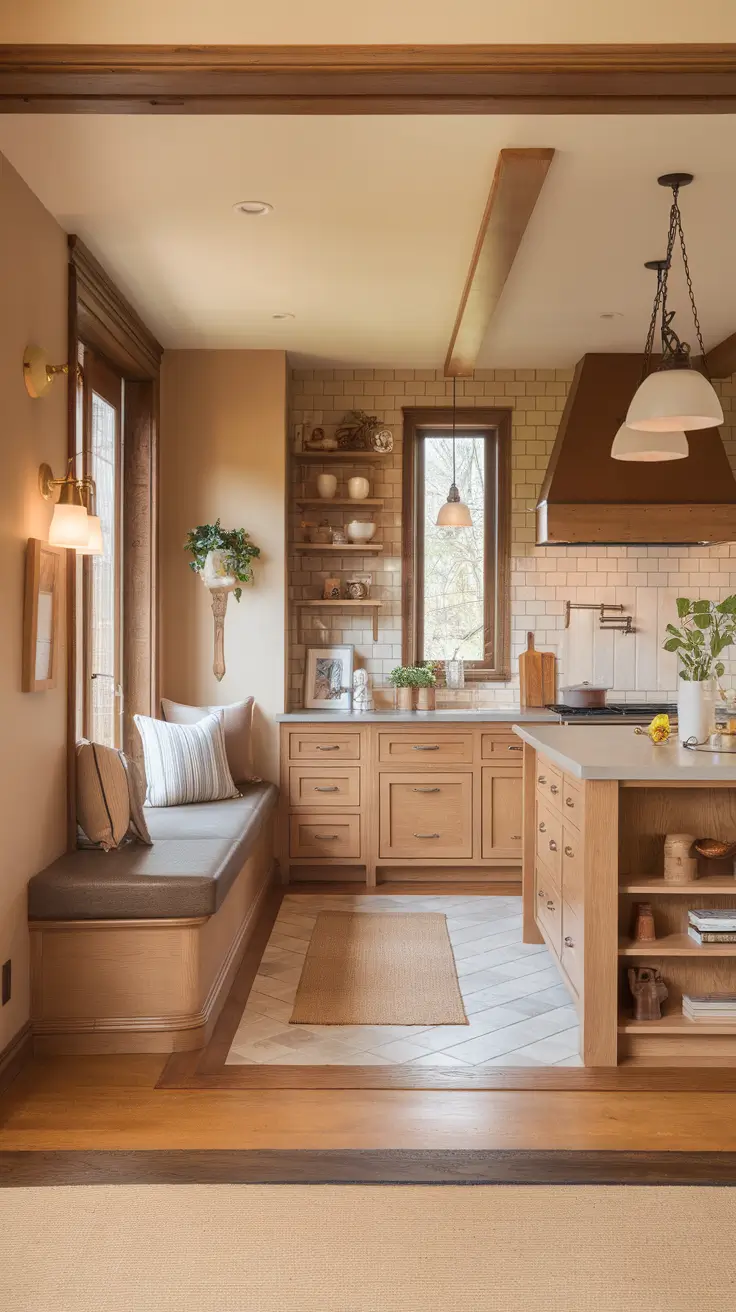
With practice, I have realized that clients attach more importance to authenticity than perfection. Personalization is always a priority of home design experts as of 2026 and I have personally witnessed how a kitchen has radically changed when a house owner decides to adopt sentimental items or heirloom furniture.
So to take this section a step higher, I would also include instruction on how to combine family friendly finish like durable natural stone, wipe able limewash or soft closing cabinets that withstand the daily life.
Smart Solutions For Small Spaces
Innovation and practicality should be blended in a strategic manner in the design of a small space in 2026. My approach when dealing with small kitchens is to make the most of the movement flow, storage and usability and this is without losing the beauty. It is favoring the linear, slender appliances, and built-in elements that fade away when not used. Even very small kitchens can be made to look large when well planned.
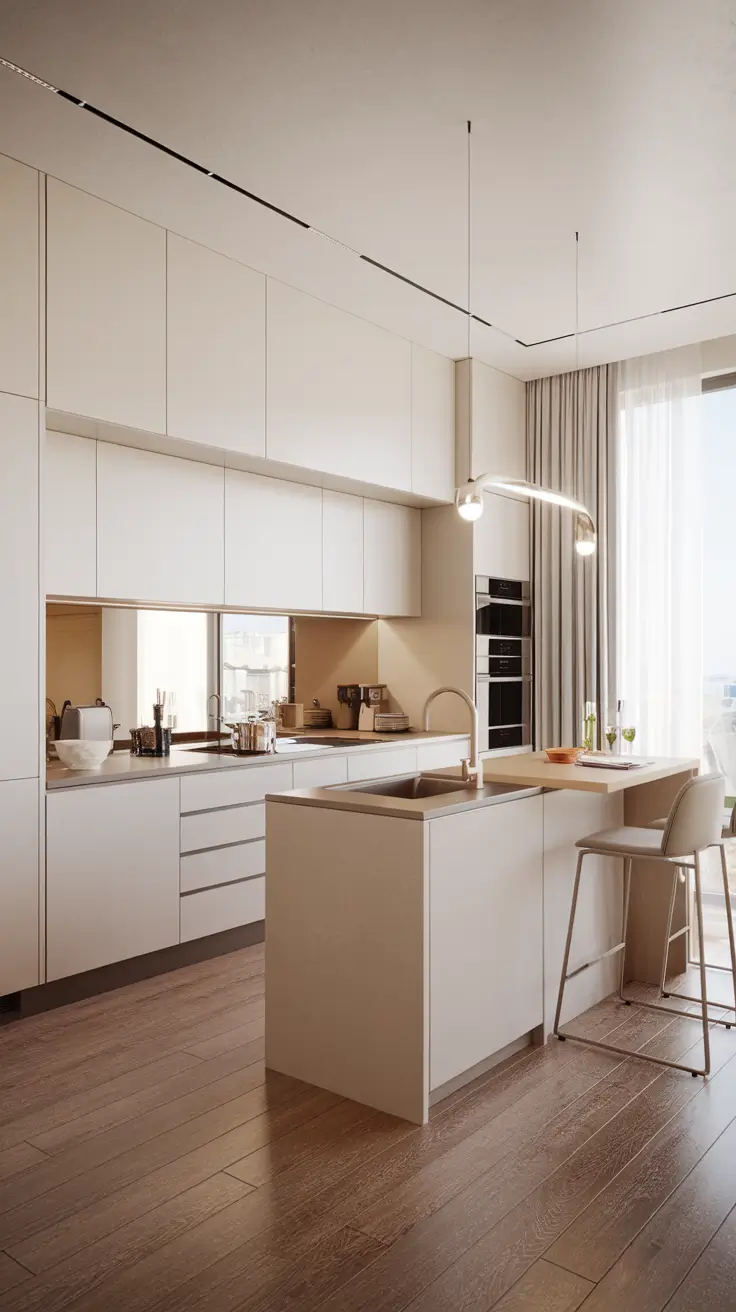
My furniture and features will comprise of multi tiers drawers, closed pantry, drawers with retractable countertops, pocket door, vertically arranged storage tower. The popularity of modular systems has enabled homeowners to have the capability of customizing their kitchens with the changing need. I also use reflective finishes, strategically located sconces and transparent front paneling to make the cabinets look lighter.
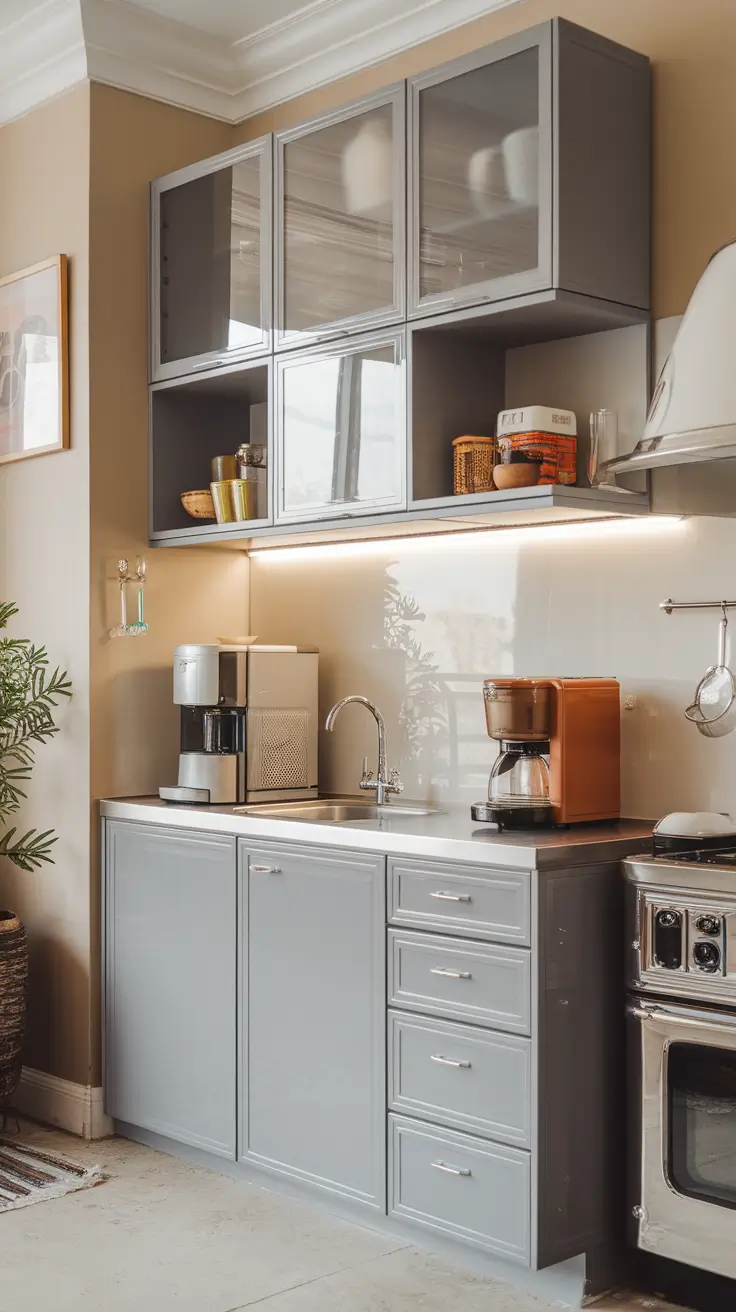
The small kitchens are successful in my professional experience because the designers focused on the ergonomics and careful attention to detail. Professionals in Elle Decor tend to emphasize the idea of designing all the inches, something that I adhere to. In a well executed way, such solutions make tiny homes surprisingly convenient and beautiful.
To improve the part, I would provide additional comments on the advantages of contemporary ventilation and undercabinet lighting, which are vital to the tight layouts.
Modern Open Kitchens That Blur Boundaries
By 2026, the open kitchen of today will be further developed and turned into a place of lifestyle where cooking, dining and living come together. In open kitchen design, the spatial flow, acoustics, and zoning are the features that I lay stress on to make the room look together so that it will be functional at the same time. This will enable the kitchen to turn into a social place, where the work gradually turns into the party.
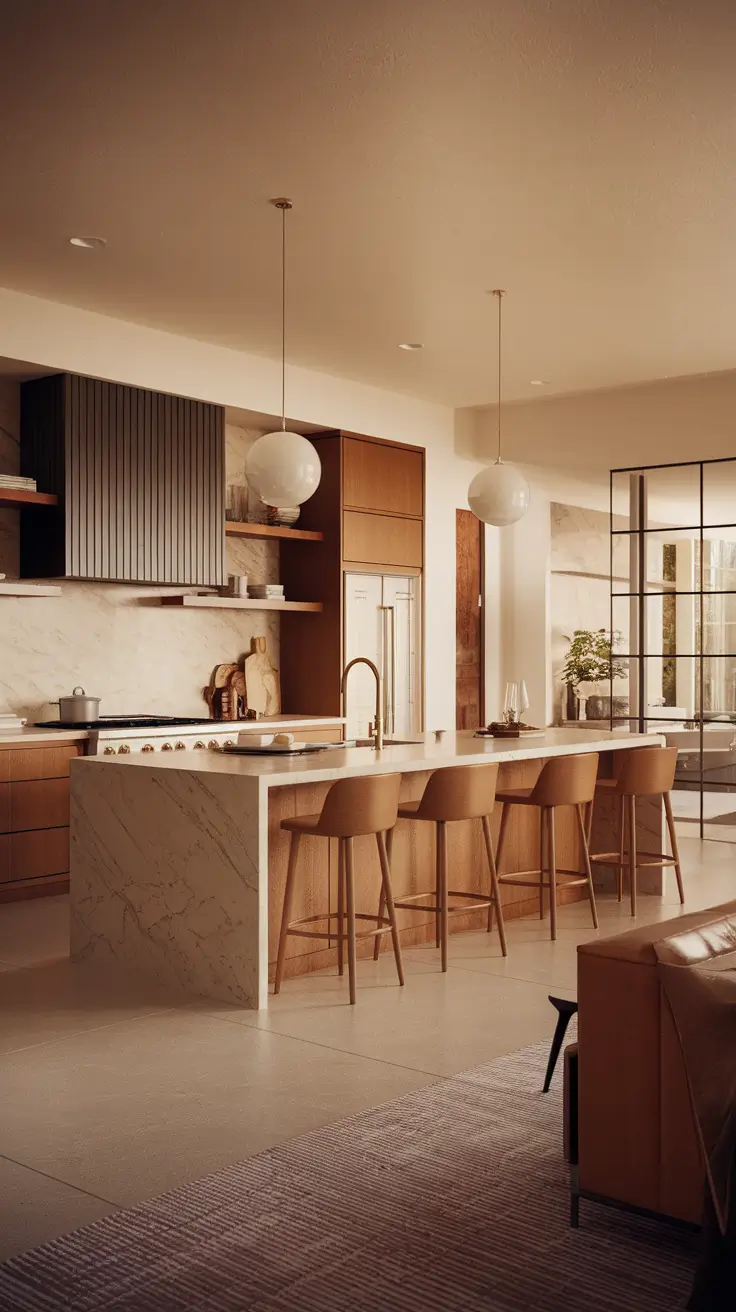
In open kitchens, furniture is very essential in creating areas. I incorporate spacious islands, short shelves, embedded sit-downs and well-positioned lighting to facilitate movement. The materials should be aesthetically connected to other rooms and, therefore, I can usually use the same tone of wood or stone pattern or accents of textile on the kitchen floor and the living room. The outcome is a harmonious modern atmosphere that is purposeful and synchronous.
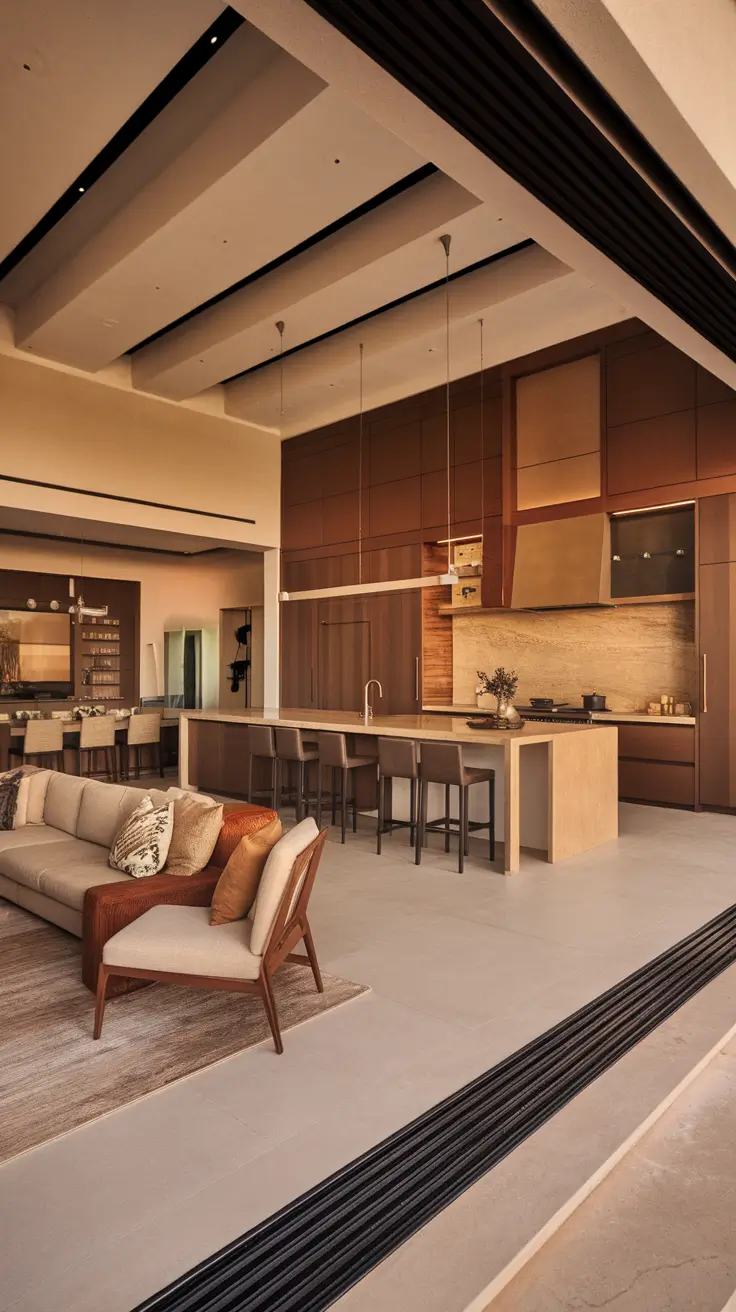
I have found open kitchens to succeed when there are faint demarcations of boundaries in the design. The furniture arrangement or details of the ceiling are highly suggested by many US designers to delineate spaces without space-blocking. This hybrid solution, which balances the openness and at the same time does not make the room look chaotic, I consider to be appreciated by clients.
In case of expansion, I would mention the acoustical treatment which is becoming more relevant in open plan houses.
Restaurant-Inspired Kitchens For The Home Chef
The concept of creating a restaurant-inspired kitchen in 2026 will combine business functionality and coziness of the home setting. Workflow efficiency, heat-resistant surfaces and long-lasting materials are which I prioritize when designing such spaces reminiscent of commercial kitchens. Meanwhile, I make the room welcoming and fit to be in a home environment. This style allows amateur cooks the liberation to roam without being bound by the old residential designs.
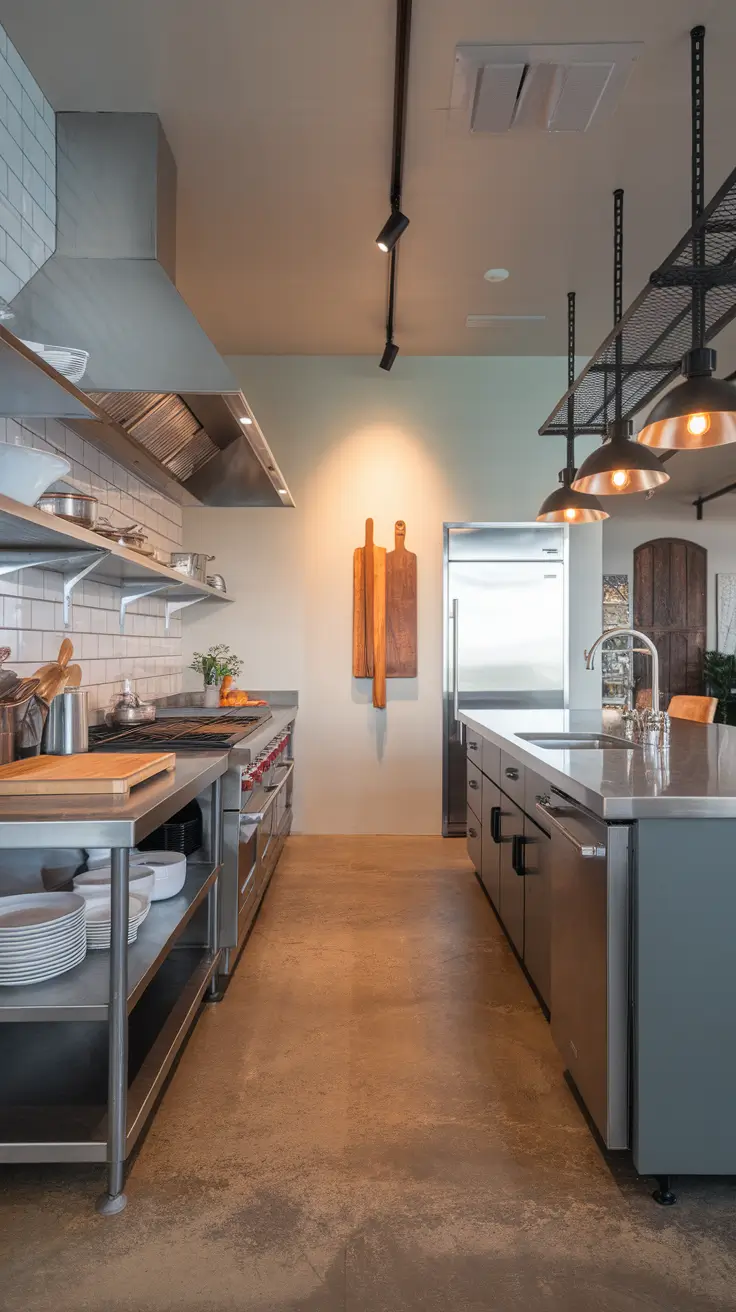
The most important things I consider involve the use of stainless-steel preparation areas, open shelves, super-sized sinks, and effective ventilation units. A tabletop island is at the center of the space, where people can prepare food, plate and socialize. The use of industrial-style hardware, integrated spice walls, modular pot racks, and professional-grade appliances, provides an increased level of performance without causing a dated look. The balance between the harsher elements of the commercial design is achieved through warm lighting and wood accents.
My experience has shown that these features are valued by clients who enjoy cooking as these features spur creativity and efficiency. Numerous professionals within the American culinary design focus on mise en place and efficient working process, both of which are easily applicable to the home environment. The introduction of restaurant-style components to the home enables individuals to be bold and confident.
In case of its expansion, I would include a greater focus on the safety features such as slip-resistant flooring and heat-resistant countertops that improve the long-term performance and comfort of the users.
Modular Kitchen Systems For Flexible Living
The systems of modular kitchen will be vital to the developing lifestyle of 2026 particularly families that require long-term versatility. In my modular kitchen designs, the main focus will be on reconfigurable parts, lightweight, and flexible layout that can adapt to new requirements. The philosophy enables those who live in cities, those who work remotely and those with more than one generation of family, who need flexibility and still need some style. A modular kitchen is based on the ease of movement and rearranging.
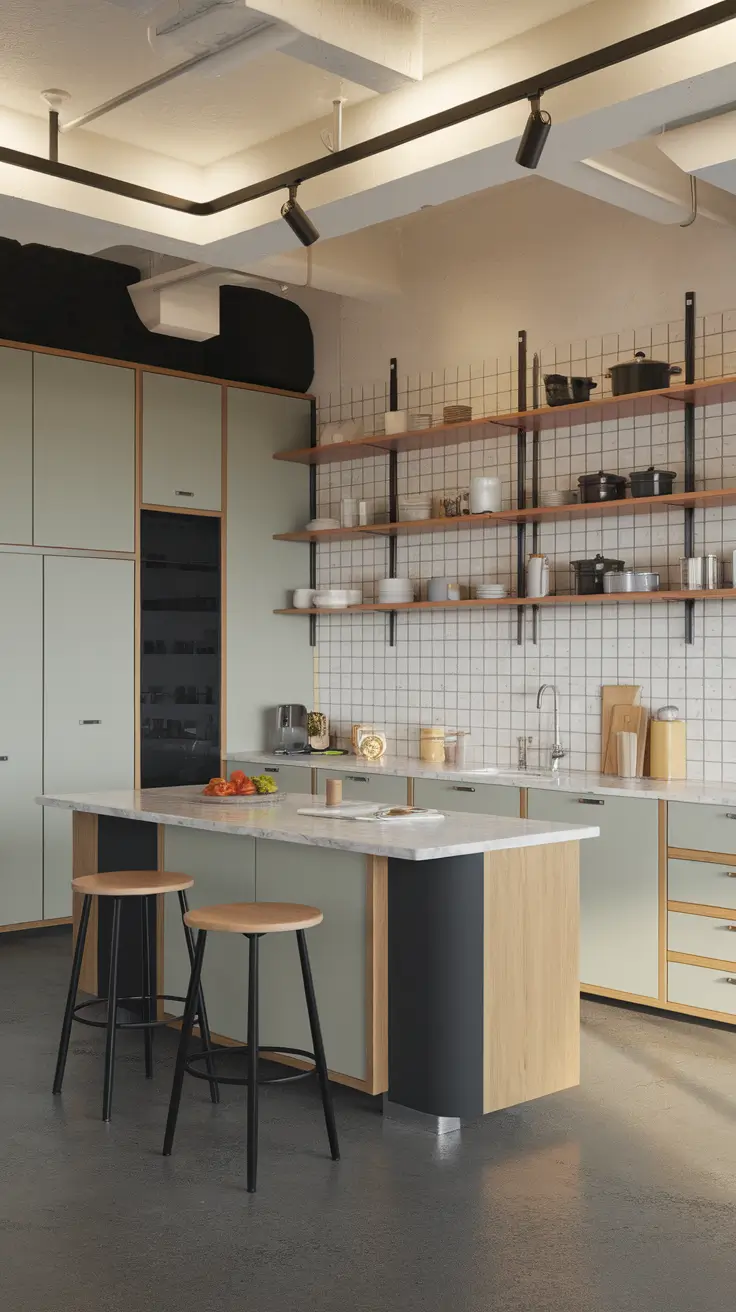
The furnishing and elements that I choose are mobile islands, replaceable drawer units, adjustable counter- height, and plug-in appliance units. Open structures enable owners of houses to change shelves, inserts, and accessories without extensive remodelling. I often indicate track lighting, magnetic storage, and fold-out dining units, to continue to have the impression of flowing functionality. These aspects are combined to produce a kitchen that is upgraded as fast as its occupants.
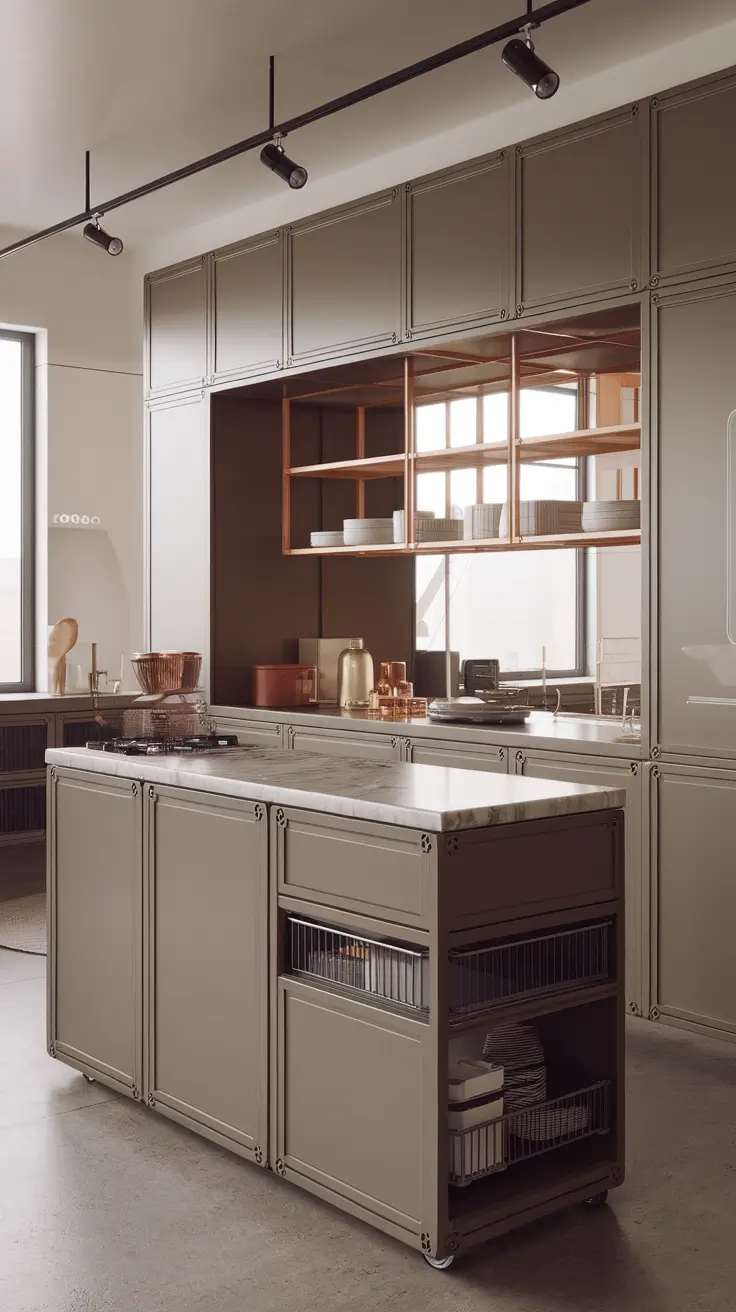
Modular kitchens in my professional experience give homeowners the ability to experiment and refine their space. According to multiple modern design magazines, the aspect of flexibility has gained a priority in the contemporary interiors. I have had clients who have been fortunate to have systems that are expanded as their lifestyle changes: maybe, it is creating more preparation areas, more pantry shelfs, or rearranging areas to host socially.
I could add more information on this section, including more information on modular technologies, like built-in charging stations or customizable digital interfaces, which facilitate smart-home ecosystems.
Mastering The Ideal Kitchen Layout
The art of designing an ideal kitchen system in 2026 would need an extensive study on the circulation, ergonomics, and connection between social and cooking areas. In designing layouts, I take into account the habit of the user, the form of the house and the kind of openness that is required. It may be an open or transitional, or contemporary-style kitchen, but the objective is always the same: make the room organized in natural flow, facilitate the multitasking, and organize intuitively. The layout of the kitchen can be altered entirely through a planned layout.
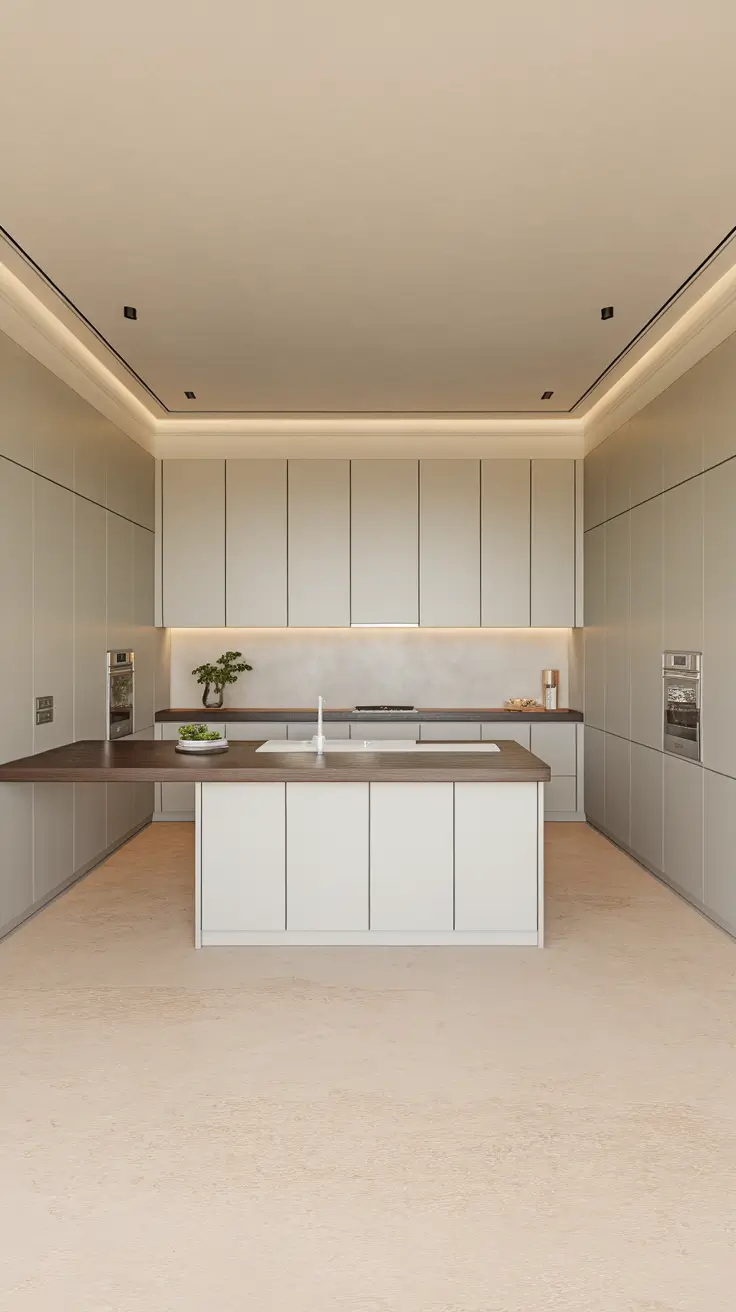
During my layout designs, I critically consider the work zones, location of the island, the location of the appliances and the accessibility of the storage areas. I frequently incorporate the conventional work triangle concepts with the contemporary zoning techniques to accommodate the present diverse lifestyles. Such characteristics as walk-through pantries, longer prep counters, two islands, and built-in seating areas assist in facilitating the movement and minimizing clutter. The use of lighting and materials is important to create a sense of boundaries and the creation of space.
In my own experience, optimized layouts of kitchens create the perception of large areas despite their small size. Most popular interior designers in the U.S. emphasize the role of deliberate movement inside the kitchen and ergonomic spacing to have a fully functional kitchen. I have remodeled so many kitchens in which such little things as the movement of a fridge or the rearrangement of a cabinet depth have made things much easier.
When further elaborating on this part, I would mention that there are new tools of planning that will be implemented in the coming decade, including AI-based layout simulators, allowing a homeowner to see the desired arrangement before the construction process starts.
Cozy Cabin Kitchen Ideas With Modern Comfort
The cabin kitchens in 2026 are a fusion of the old and contemporary 2026 comforts, with the inclusion of cozy retreats that are not out of place at all. When creating these spaces, I lay stress on the use of textures that bring the home to closer touch with nature, i.e. wood beam, stone ornaments, and matte metals. Cabin kitchen does not imply dark and heavy anymore, I tend to use more white or cream colors to make the layout look light and easy to work in a small place or a small home. Open shelving and equal lighting and smooth cabinets add the rustic vibe without interfering with modern living.
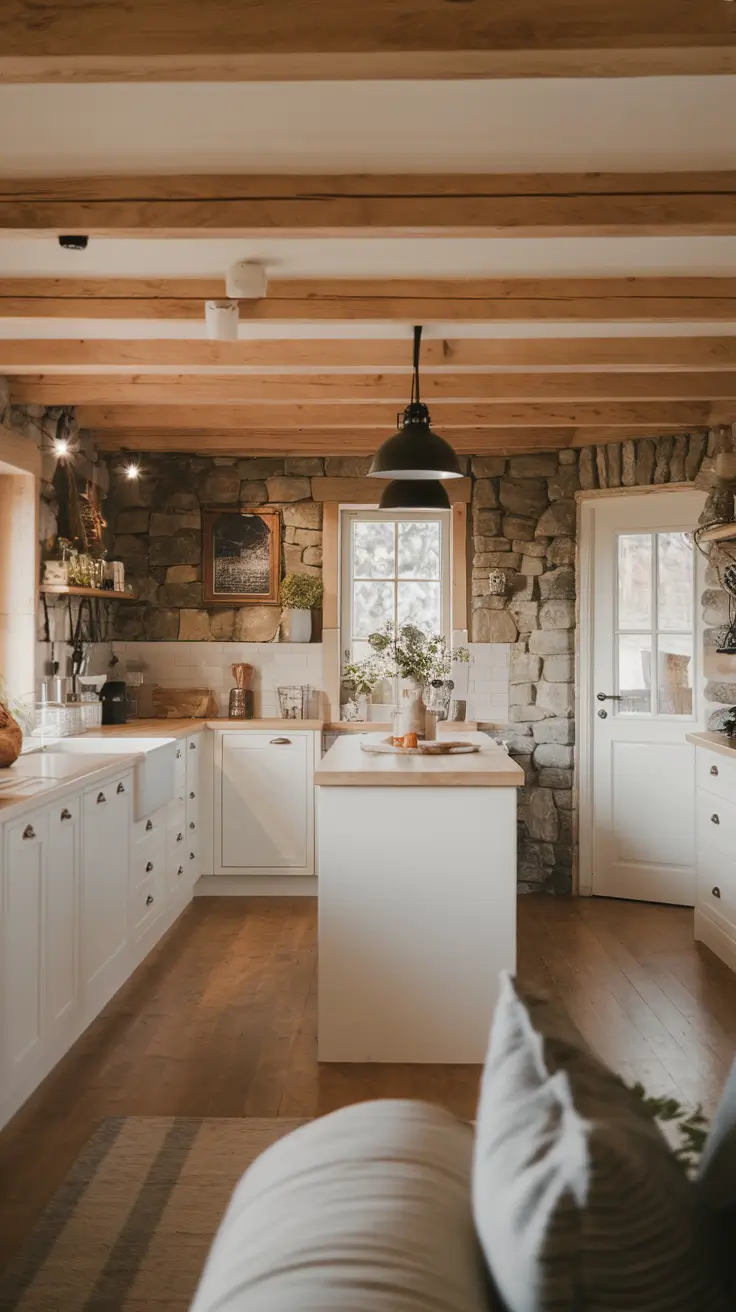
In choosing furnishings, I would go natural wood in light or medium tones, built in appliances, and a solid central island which serves as storage and social area. The aesthetic is supplemented by soft-edged hardware, warm under-cabinet lights using LED, and modular stools. The use of stone counter tops and matte black faucets produces a classy rustic presence. Simple Scandinavian-inspired decor, textural rugs and handmade pottery are used to ensure authenticity, yet with the aid of modern functionality.
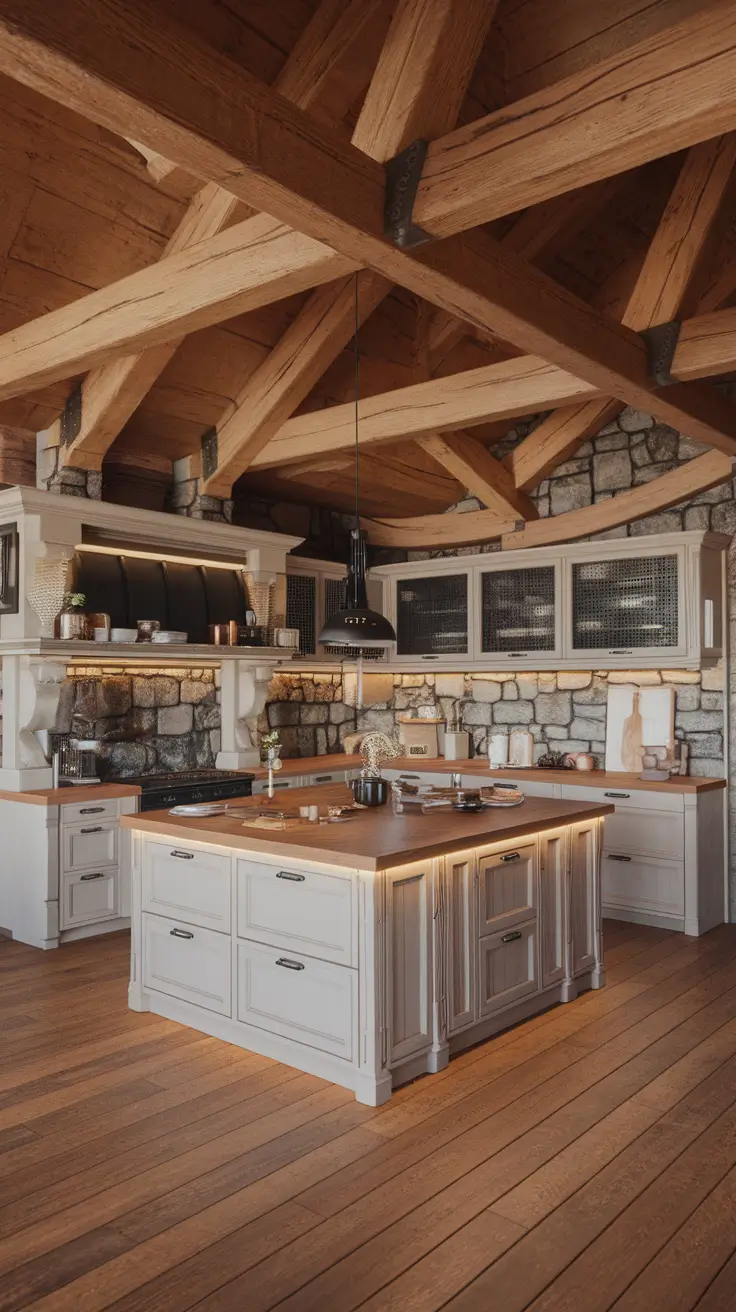
The cabin kitchens I have experience with are most effective where the rustic elements are not too strong. The designers of Architectural Digest frequently focus on the combination of warm neutrals and organic finishes that are used to retain classic but modern appearance. I adhere to this theory when I make sure there is no cluttering of visual information by having the bold textures balanced by clean lines. These kitchens need to look and feel like a home away and yet be as efficient as a modern day kitchen.
I would include a brief tutorial to fill this section by describing the best lighting temperatures to use to complement natural wood interiors and the most durable countertop finishes to use in a rustic-modern environment. This additional background assists viewers in better long term material choices.
Transitional Kitchens Balancing Classic And Contemporary
In the design of transitional kitchens, I would strive to achieve a balance of traditional forms and modern material. This style remains in charge of 2026 trends since it is flexible, durable and possesses a feeling of classy minimalism. I apply balanced color schemes, and I frequently combine white cabinetry and warm wood colors or dull stone surfaces. These kitchens will suit most architectural designs, whether it may be the farmhouse or the urban lofts and therefore it is highly convenient to the homeowners in need of a permanent solution.
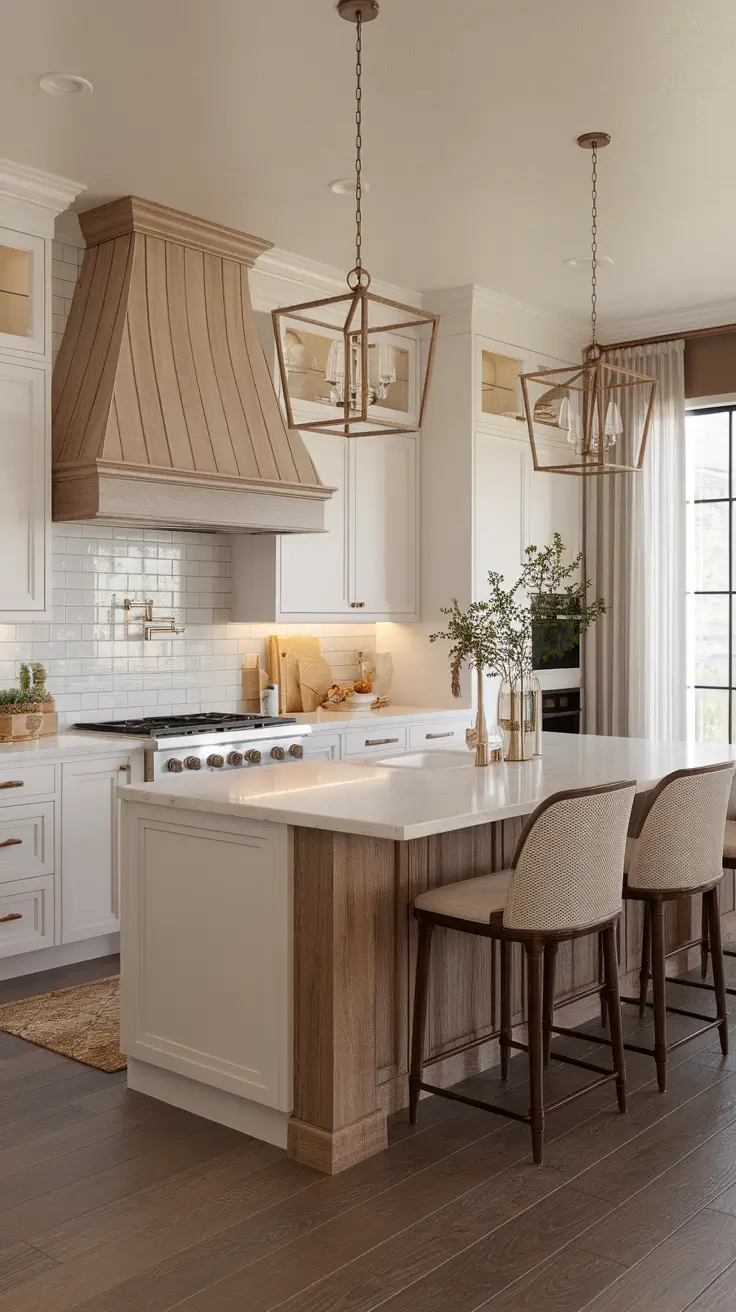
In furniture and finishes, I will be using shaker style or chamfered cabinets combined with contemporary slab drawers. Champagne or brushed nickel hardware is a sophisticated way of warming the place. Transitional balance is supported by quartz countertops, minimalist pendant lights, well proportioned island as well as a smooth layout. I usually incorporate framed glass doors, small moulding and hidden storage as a sign of respect to the tradition and yet allowing modern functionality.
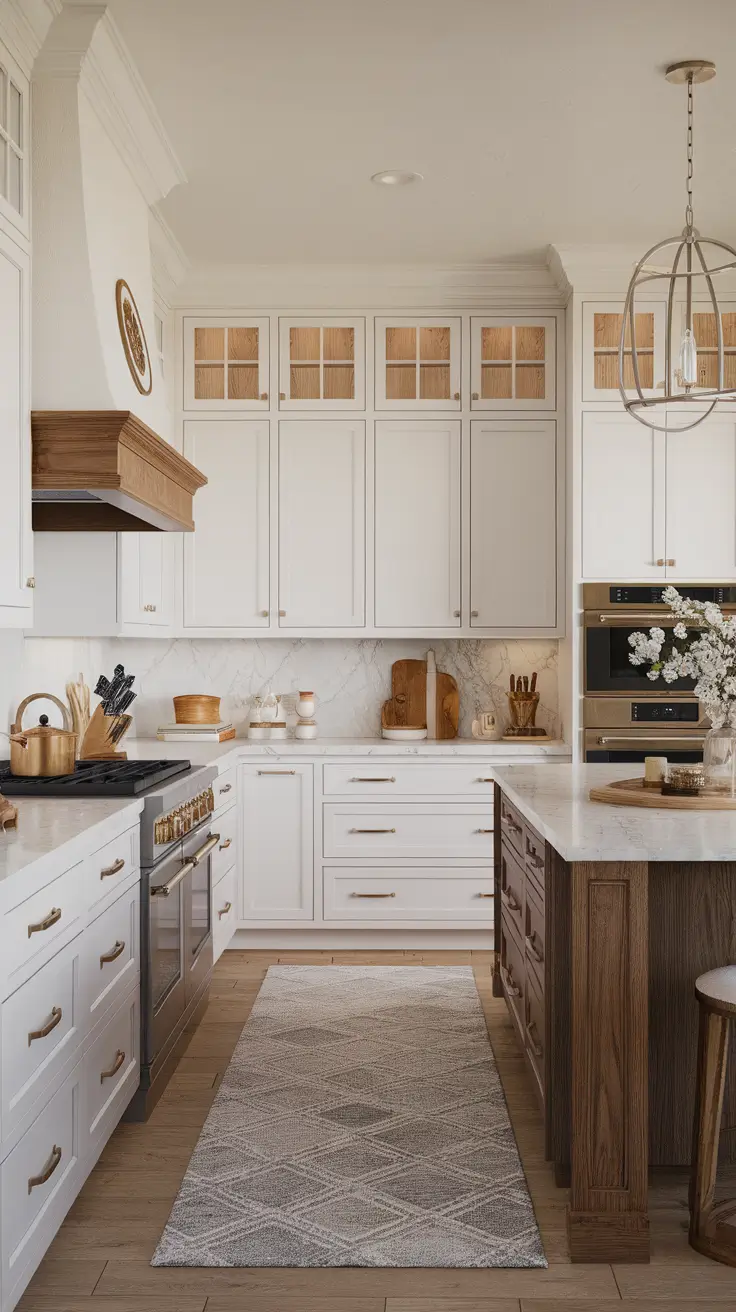
In my case, transitional design works where it does not take very extreme measures. Popular US designers often insist on combining not more than two major styles in a room. I adhere to this practice by make sure that ornamentation is soft and that modernity does not prevail. This enables the space to develop effortlessly with change in trends and growth of families.
To further enhance this section, I could include the suggestions on how to integrate such classic flooring materials as wide-plank wood with present-day appliances to maintain the general appearance as one.
What’s Truly New In 2026 Kitchen Design
In 2026, the kitchen is developed based on versatility, technology and living multi purpose. I am designing spaces more frequently to accommodate hybrid lives particularly in small spaces where cooking, work, and entertainment are merged. The brands are working on modularity, energy-efficient appliances, open format where customers can design their kitchen with the day-to-day needs. It is all about the flexibility and not fixed layouts so that every home could be adjusted to the changing routines.
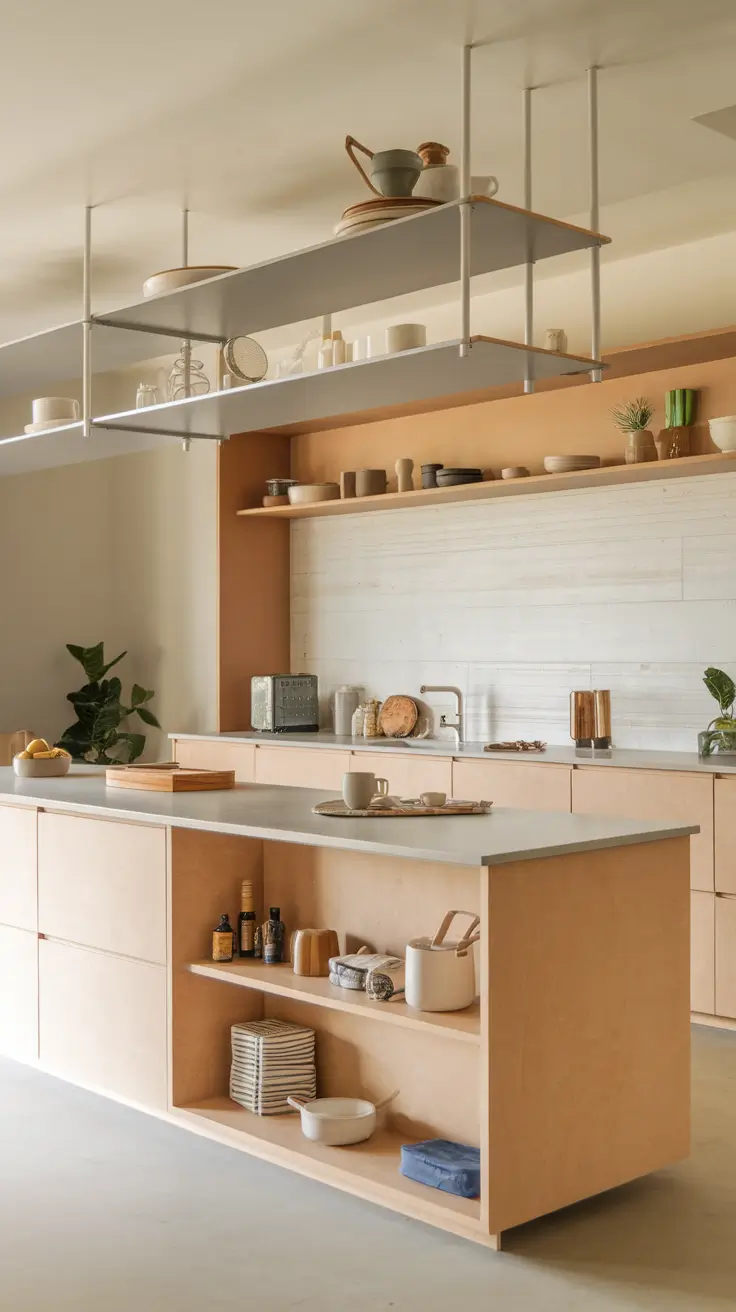
These kitchens will have modular casework, adjustable shelving, convertible dining islands and in-ceiling ventilation. Stations of hidden charges, appliances connected to apps, and ambient light areas are the norm. New priorities in kitchen wellbeing are also manifested round shape furniture, antimicrobial finishes, and better sound absorption materials.
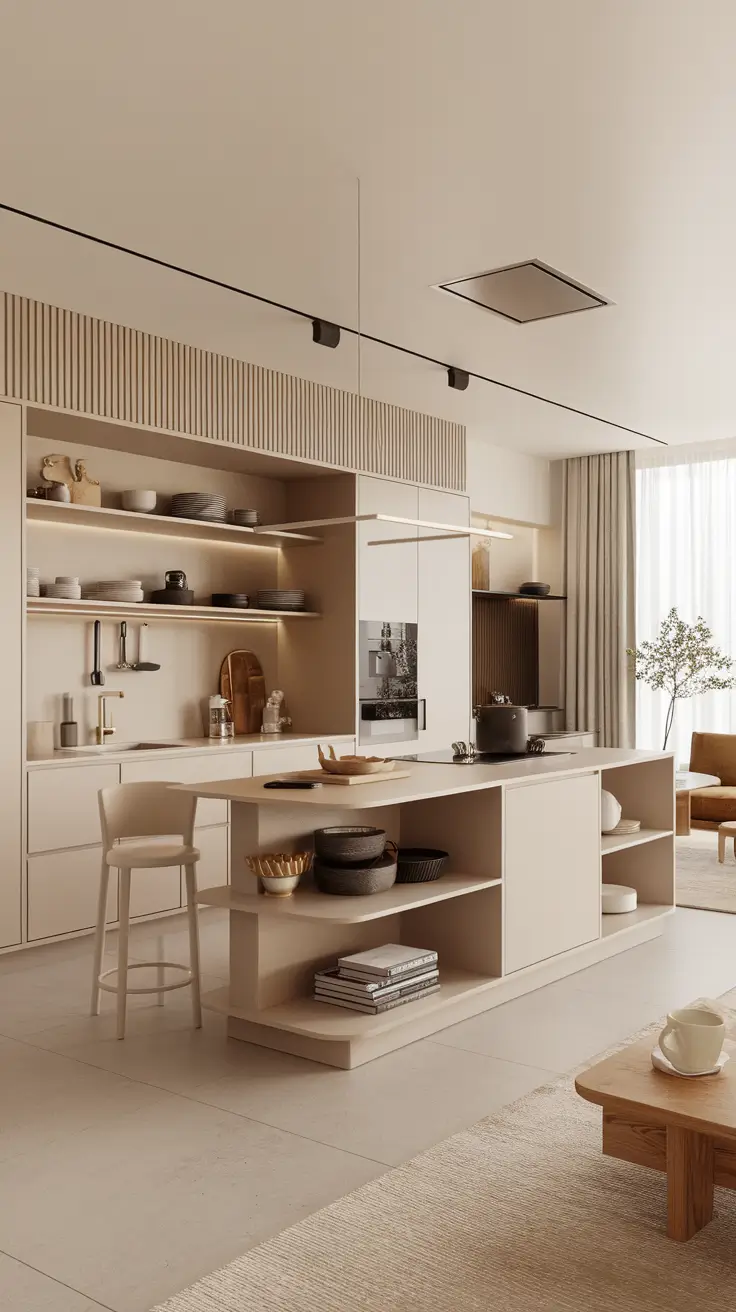
On the professional level, this trend has been observed by me, which is confirmed by the serious design trend reports that mention the need of homeowners to have flexibility in their functionality, which is tech oriented. I concur with scholars that the ideal 2026 kitchens are able to make the user feel instinctive to the point of being anticipatory and not swamping them with gadgets.
A short mention of the growing integration of indoor-outdoor flow is another thing that I would append to this part. Even the interiors of kitchens have borrowed the message of the exterior, the use of natural materials and sliding walls.
Modern 2026 Kitchens With Future-Forward Features
The second wave of contemporary 2026 kitchens will be more automatized, with geometric surfaces, and paler aesthetics levelling out technological-focused elements. In designing such rooms, I lay emphasis on clean lines, smooth surfaces, and subdued colors to make the atmosphere in such rooms relaxed but progressive. The beauty of the modern design lies in the fact that it can suit both apartments with extremely small spaces and modern houses with a lot of space.
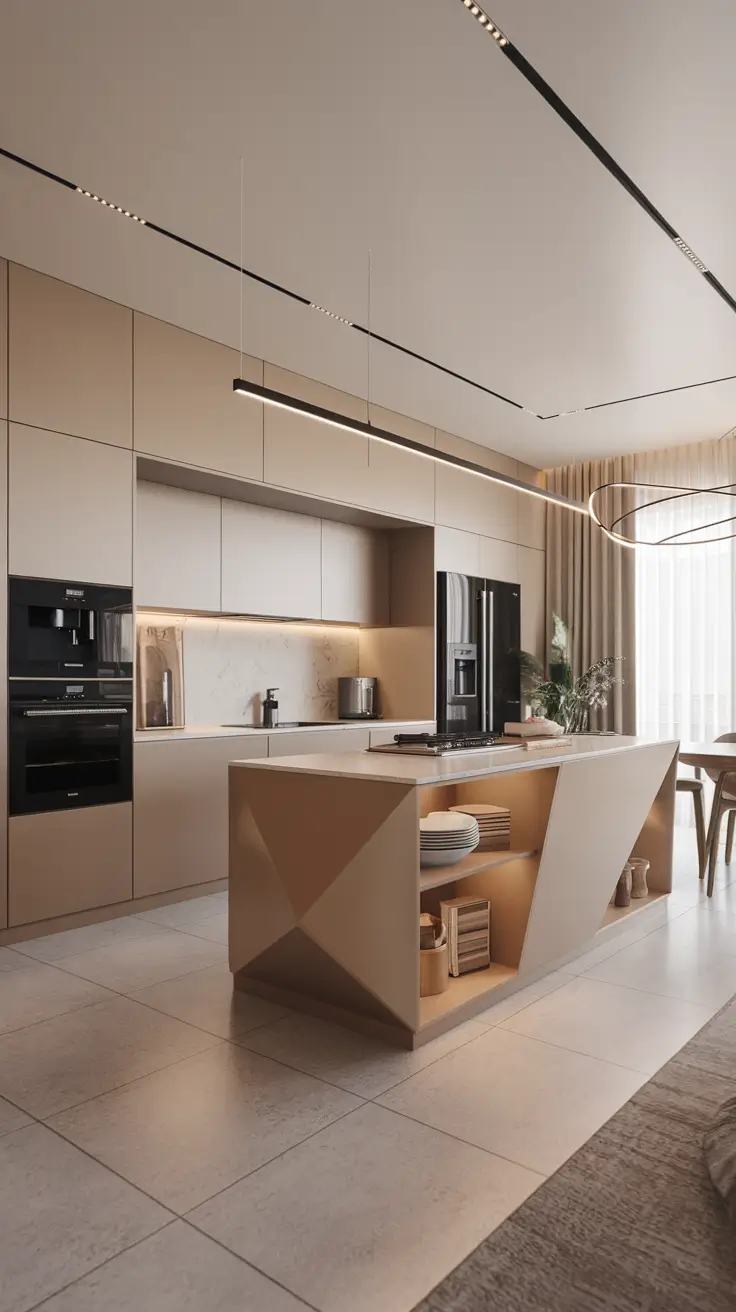
New furnishings will consist of frameless cabinetry, matte-surface appliances, induction cooktops, and storage. Islands are made to be multi-purpose centers that have task lighting, concealed drawers and strong composite counters. Linear LED lighting is used in place of the large fixtures and flooring trends are toward large format porcelain tiles or stone-like surfaces. The high-performance modern layout is characterized by clear zoning of prep, cooking and social areas.
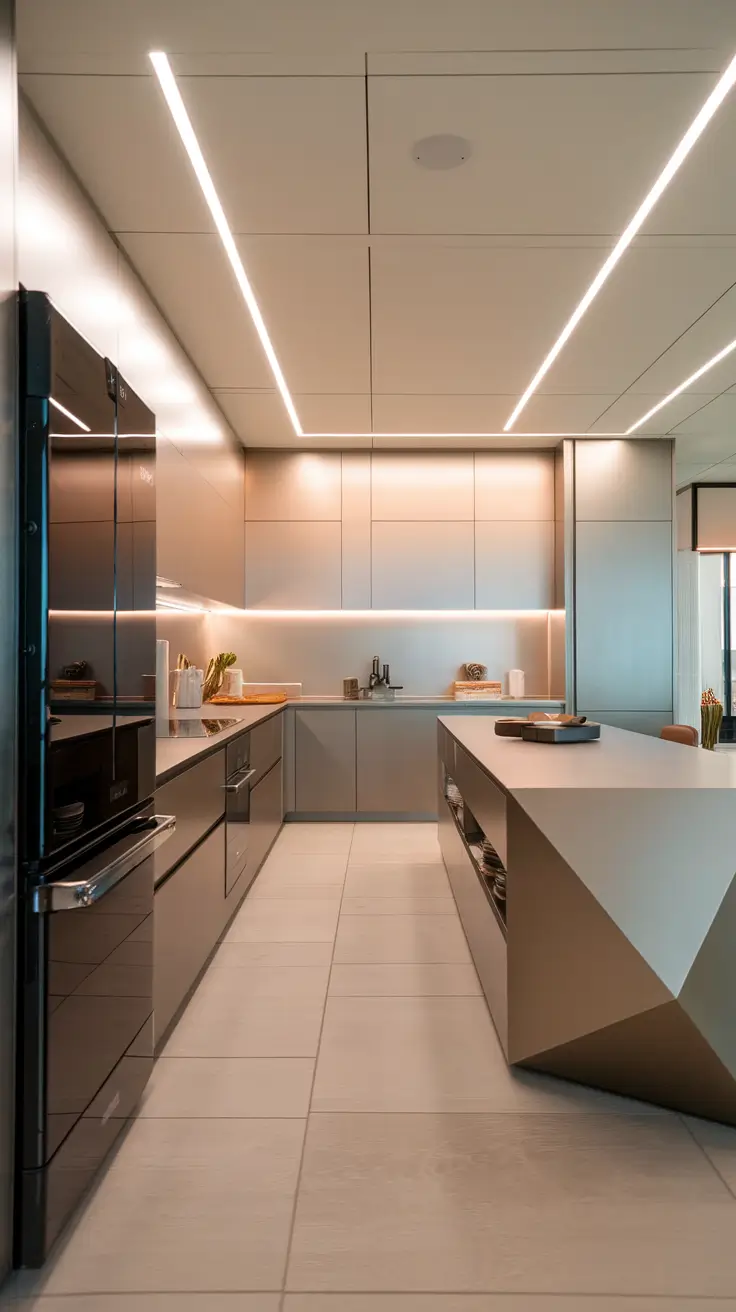
In my professional perspective, the future-forward kitchens are successful when technology is a servant of the user and not the vice versa. Several publications about the design in the US promote modesty and recommend that homeowners should stay away of very complex systems. I can adhere to this recommendation, indicating intuit technologies, which include motion-detect faucets or temperature-controlled pantry drawers that improve the everyday life.
To be complete, I will include a little tutorial about combining tactile materials such as laminated textures or ribbed wood panels with technology to make it softer.
Indian Kitchen Inspirations For 2026 Modern Living
In 2026, Indian-inspired kitchens will combine the richness of the culture with an element of modernity. When I add the influence of Indian design to a home I would also focus on functionality, organization of spices and proper airflow in the home which is vital in the Indian cooking. Bright colors are going to be balanced with surfaces that are minimal, so such kitchens are going to be optimal even in small areas that need innovative solutions.
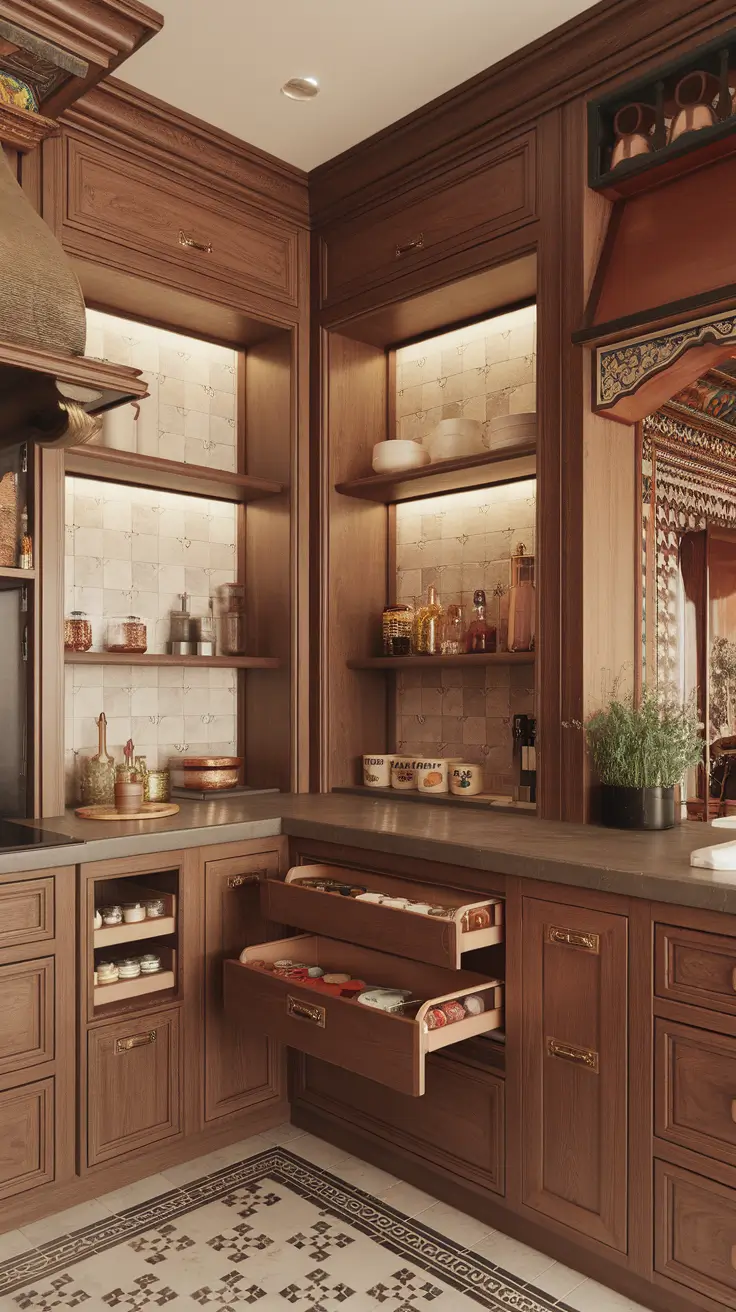
The furniture color scheme usually comprises warm wood cabinetry, spice drawers, ovens inspired by tandoor, matte brasses, and stone countertops that are easy to clean. The cooking style is supported by tall storage, modular, and herb-growing stations. The design is authentic; floor tiles have faint Indian motifs, open shelving niches, and earthly accessories do not drown in details.
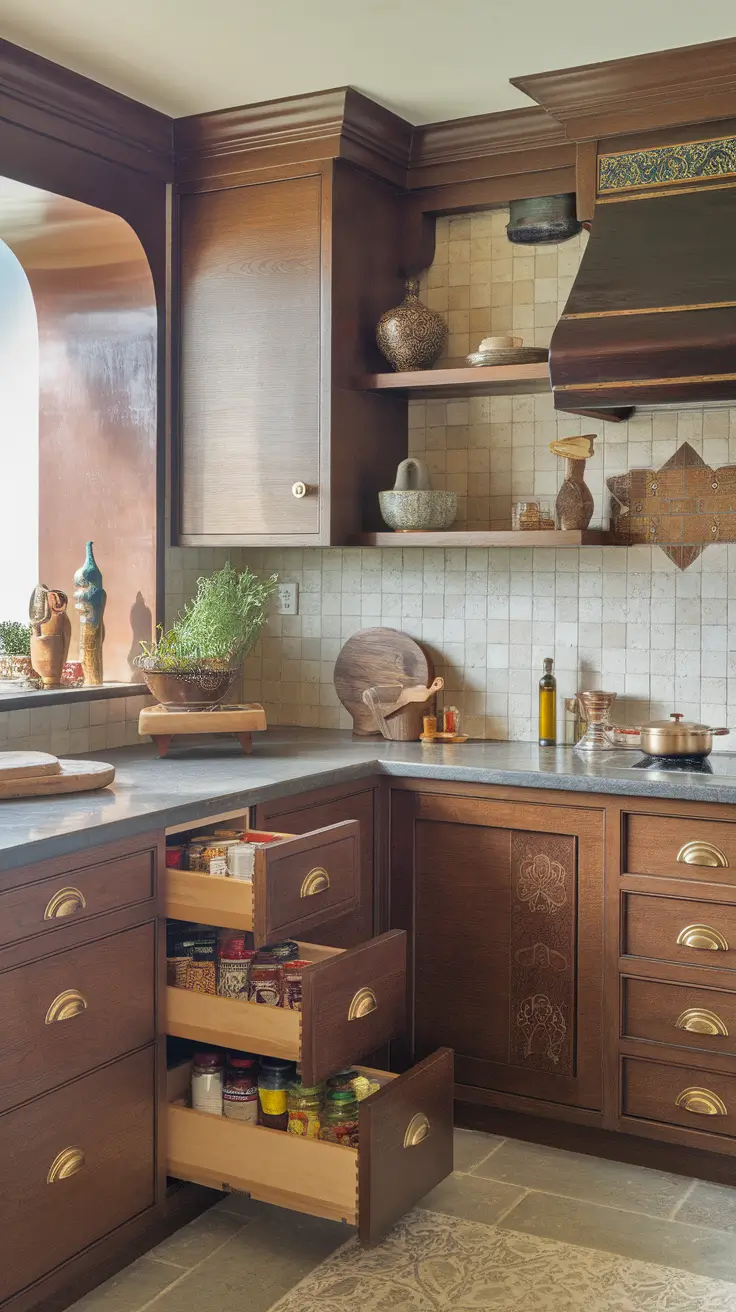
At work, I found out that the Indian kitchen design is more about accessibility and speed. Numerous interior designers advise using hardwearing materials that cannot be damaged due to heat or moisture and other cleaning issues. I also stick to the same logic and choose such finishes as quartzite or granite so that it can be used in the long run.
To improve this part, I could include thoughts about including the traditional Indian carving or metalwork in a subtle manner, so that the space will be modern luxury, but not excessively fancy.
Modern Luxury Kitchens Designed For Elegance
In my designs of modern luxury kitchens, I strive to provide elegant and calm spaces that the value of craftsmanship and high-quality materials speak. In the year 2026, the term luxury does not mean excess anymore but is quality and experience. The features of these kitchens are usually huge island counterparts, dramatic stones such as veined marble, and sculptural lighting elements, which enhance depth without appearing flaunt.
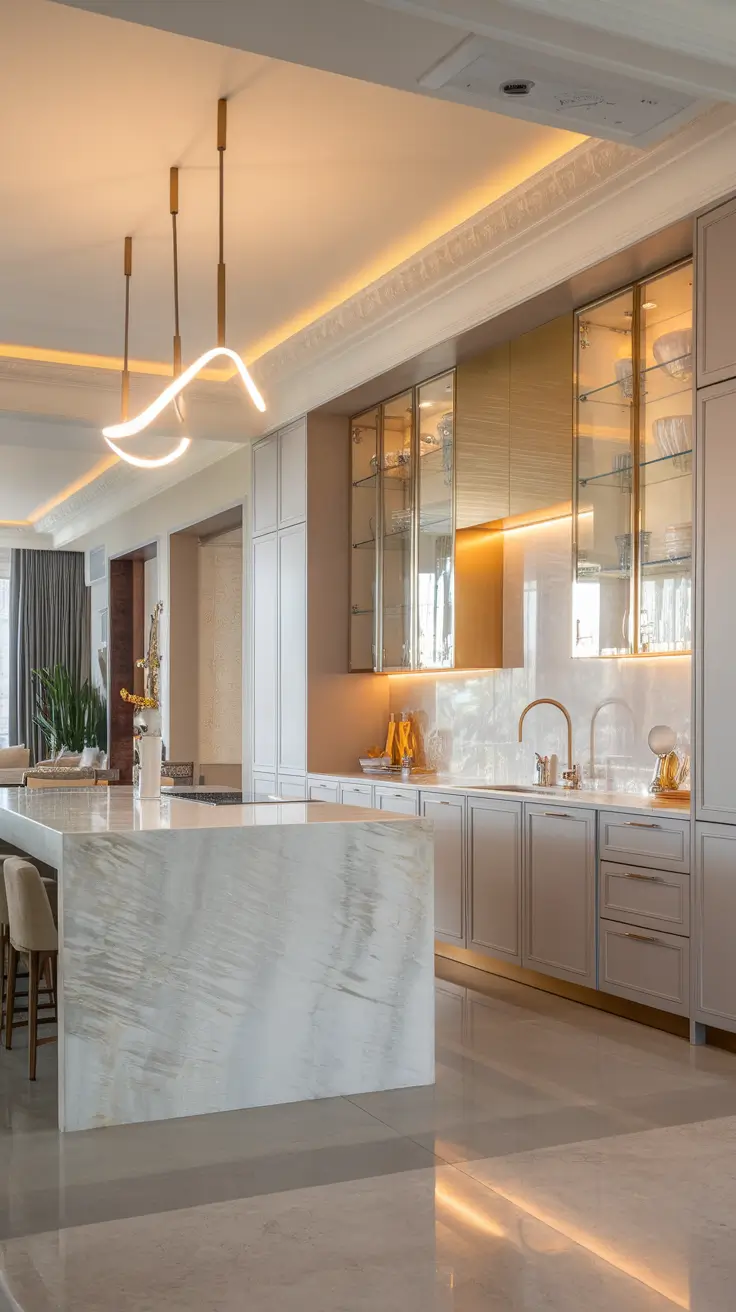
Stylish furniture and fixtures are designed to feature custom cabinetry, cabinet handles are built in, and high-end appliances, glass-frontal storage, and metal accents in brushed gold or bronze. The look is established by using natural wood materials, and polished stone together with soft-close drawers, layered lighting, and custom-made hardware takes ordinary chores to the new level. Seating, either upholstered stools or sculptural chairs contributes to a comfortable and stylish appearance.
In my own viewpoint, luxury is a success when it is made effortless. Elle Decor interviewed designers who emphasize that balance is something to take into consideration and that homeowners should balance statement and quiet features with neutrals. I imbibe this by ensuring that focal points are few but effective.
To be even more comprehensive, I will provide suggestions on sound-absorbing materials, which are currently being a must in the much needed contemporary open layout.
Outdoor Kitchens For Year-Round Living
The outdoor kitchens are coming a long way beyond the use in summer. I create outdoor culinary areas in 2026 as complete extensions of the interior, which are often restaurant-like. They can be used all year round owing to weather resistant materials, retractable enclosures and heating solutions. Even small or cabin homes can include smaller models of these kitchens.
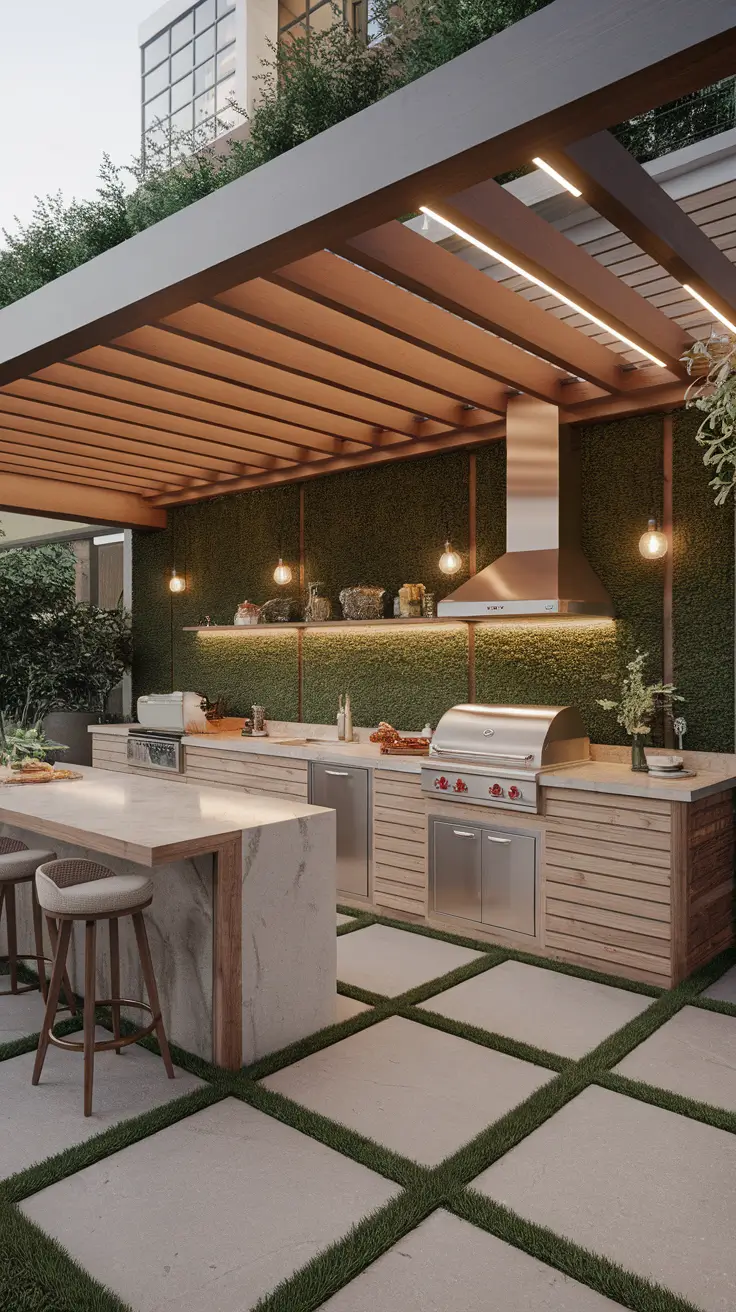
The furnishings are usually furnished with stainless steel appliances, stone counter tops, pergola lights, modular cabinets and comfortable sitting areas. Appliances Multi-function grills, pizza ovens, and beverage stations are more useful. I also use organic textures, like greens walls or slats made of wood, to ensure a pleasant environment and still be durable.
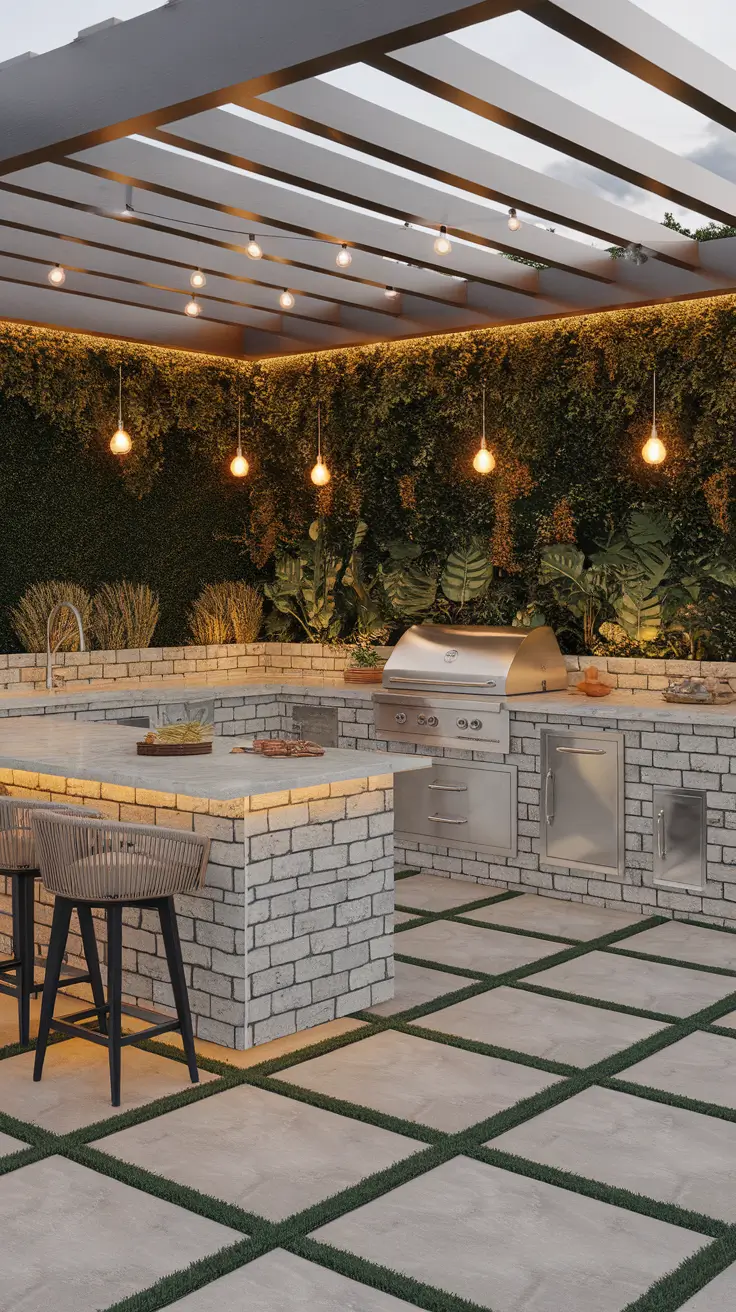
Through experience, an outdoor kitchen that is well thought out ought to focus on zoning, drainage and airflow. The US outdoor design professionals insist on early utility planning which helps avoiding problems with layout in the future. I then proceed to make sure that the cooking space, the food preparation table, and the dining table are clear and properly organized in a safe manner.
I would also include some information on the pairing of rustic, industrial or contemporary materials to enhance this part because different homes have varying architecture.
Rustic Kitchens Updated For Contemporary Tastes
The rustic kitchens in 2026 are much more advanced compared to the previous versions as they incorporate the natural materials with the new comforts to provide cozy and home-like experiences. The current design I establish when creating rustic kitchen include inclining to reclaimed wood, rough stones and earth-tone palettes but I also weaken the appearance with a sleeker line and better light. Such a practice will allow rustic styling to be applied even when the spaces are small and heavy materials used overwhelm the place. With the combination of minimal modern details, I will make sure that the kitchen will be both good to look at and functional.
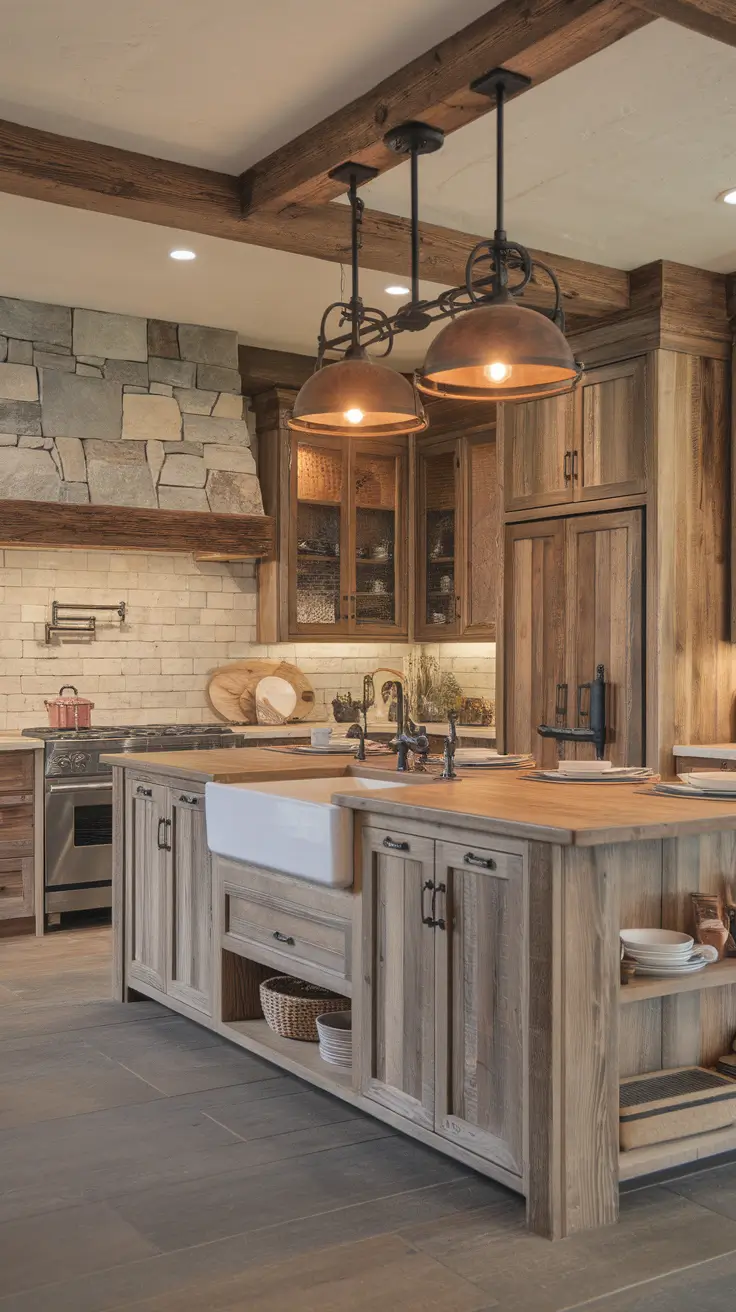
Regarding furniture, I normally work with wide-plank wood cabinets, matre iron knuckles, and farmhouse sinks with quartz or honed granite counters. Shelves with natural finishes are open, which is why it is possible to have beautiful and practical display, and the use of the pendant lights in metallic warm colors sets a calming effect. It has a strong central island that can be used on the daily basis with some storage being hidden and the modular bar stools can be used to keep it flexible. The intention is always to strike a balance between ruggedness and fine surfaces to ensure that all things seem in harmony in an open space that is modern.
In my case, rustic kitchens develop well when there is authenticity but less clutter. Famous experts in design tend to emphasize the need to edit accessories and work with several significant natural materials. I use this piece of advice by keeping decorations to a minimum and focusing on craftsmanship to make the room look deliberate instead of nostalgic.
Had I decided to make this section even bigger, I would include some tips on how to use the correct wood stains and finishes that will last long when subjected to heavy traffic and not become yellow or dull.
The Allure Of Pure Modern Kitchens
Broadly speaking, 2026 trends are including the adoption of softer, livelier pure modern kitchens. My design of these spaces is based on intuitive movement, negative space, and clarity. Such kitchens tend to have large surfaces, smooth cabinets and subdued color coloring that enhances the amount of light and minimizes visual distortion. The contemporary style provides every kitchen in a home with an impression of calm and efficiency, which is the exact feature that fits the hectic lifestyle and an open floor plan, regardless of the size of the home.
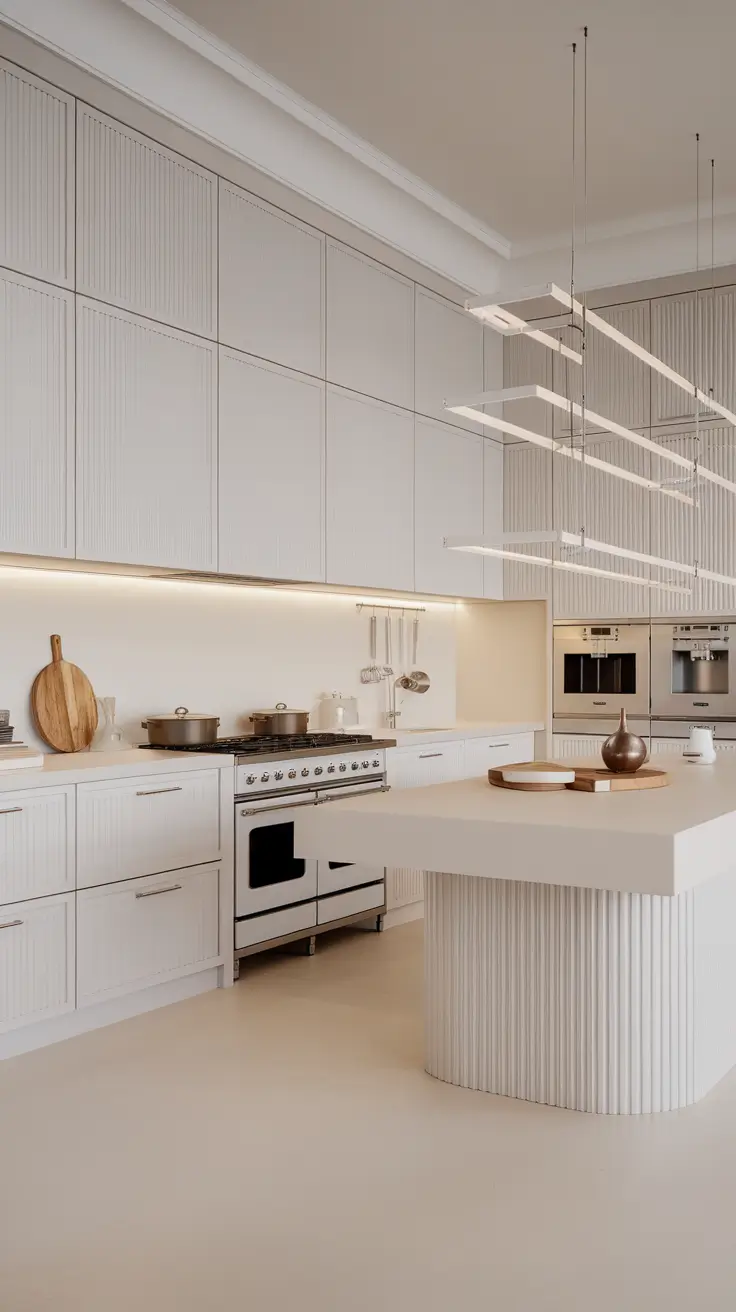
Some of the features that I will normally incorporate in the furnishings are push-to-open cabinets, built-in appliances, and multi-layered lighting that switches between work and decor. The optical impression of lightness in the room is achieved by floating island or peninsula, composite materials, ribbed finishes, and extra-large tiles, which serve to add the crisp, clean identity. The accessories are kept to a minimum and are functional and usually restricted to sculptural bowls, sleek bar stools or soft geometric ornaments. Each of the elements is chosen to strengthen the space as both functional and artistic.
I think pure modern kitchens are at their best when simplicity is combined with warmth, as it is in my professional opinion. Lots of design magazines used in the US indicate that too stark modern spaces may seem clinical unless they are balanced by natural textures or soft lighting. I consider this observation when incorporating warm woods, linen-like laminates, or the color of the earth not to overburden the modern line work, but to make it friendly.
Should there be the need, I would include a brief tutorial on how to fit the hidden storage areas in the most effective way possible so that the kitchen is maintained clean, even in a high-traffic family.