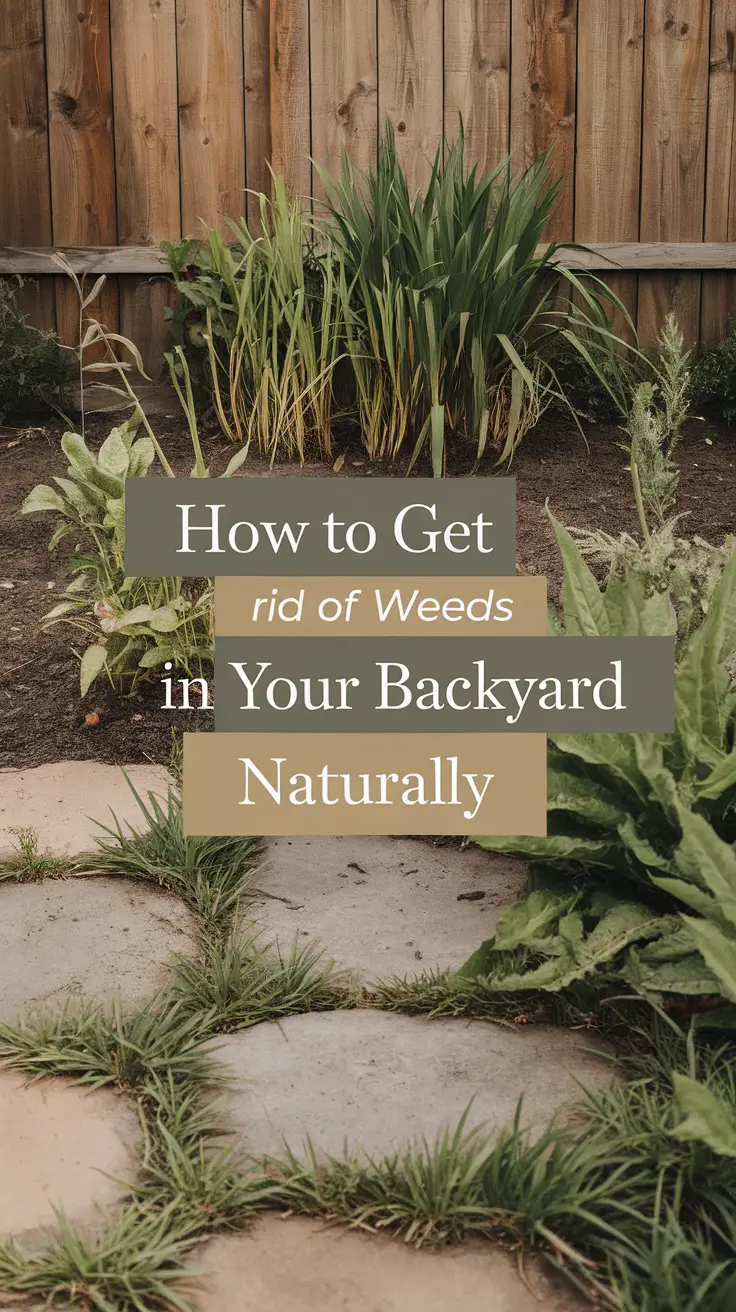
Do you ever step outside to relax and find weeds staring back at you? That was my routine last spring. After hours of pulling and spraying, I’d grumble through the work, only to watch the stubborn plants bounce back and take over again. It wore me out, it was seriously frustrating, and no matter how much ground I thought I’d gained, it felt discouraging. If you’re heading into 2027 with the same problem, I’m here to tell you there’s a better way.
You might think I’m exaggerating if I say you don’t have to keep fighting that endless battle with tough weeds. Still, it’s a solution that works for most of us. We all want a lush backyard, but nobody wants to coat it in harsh chemicals that could put our pets and kids at risk.
So I carefully decided to try a different approach. I gathered some effective natural ways to reclaim my yard, and the results surprised me. Here’s everything that worked best. Chances are you’ll end up loving nature-based weed control just as much as I did.
Why Natural Weed Control?
I used to believe that chemical sprays were the only real way to clear weeds from a backyard. They worked fast, and they were the only option I knew about. Then my dog began sneezing nonstop whenever the lawn was treated. That’s when it hit me that whatever I was spraying did far more than control weeds, and it was probably harming my dog as well.
Why Choose Natural Methods?
- Healthier for Your Family: The use of chemical herbicides poses a lot of risk to children and pets because they often remain on grass and soil. With natural methods, such risks are eliminated completely.
- Eco-Friendly: The chemicals that are being restricted with natural methods are of concern when it comes to local wildlife and soil health. These methods of control help protect the wildlife.
- Cost-Effective: Most natural solutions just require ingredients that you already have at home, thus saving a lot of money.
- Sustainable: Avoid spending extra money on expensive commercial products by accessing nature and using them sustainably.
When you switch fully to natural methods, you keep your loved ones away from harmful chemicals that could affect their health. You also get peace of mind, knowing your outdoor space stays welcoming for the whole family without adding new health concerns.
Step 4: My Results and Thoughts
This part surprised me the most. The natural methods worked far better than I expected. I was skeptical about the vinegar and boiling water at first, but the quick results completely changed how I saw them.
Here’s what I discovered:
- The results achieved from using vinegar mixed with mulch were long-lasting. The combination of both proved to be the most efficient.”
- Weekly yard checks stymied new weed growth.
- Once the weeds have been conquered, the maintenance is minimal.
I wish I had switched to natural methods much sooner. Now my dog can roam the yard without any risk of getting into unsafe spots.
Step 3: Reducing Weed Growth for The Future
What’s the secret to a weed-free backyard? Prevention. When you take preventive steps, you can save countless hours you’d otherwise spend pulling weeds that pop up again and again.
Table: Prevention Techniques and Their Benefits
Dense Planting, Regular Mowing, Soil Aeration
| Technique | Description | Benefit |
|---|---|---|
| Mulching | Apply organic material around plants | Retains moisture and blocks sunlight |
| Fill gaps with ground cover or dense perennials | Reduces space for weeds | |
| Keep grass height consistent | Weakens weed seedlings | |
| Loosen compacted soil regularly | Improves lawn health, reducing weeds |
These habits made a real difference in slowing new weed growth. For the first time, I felt like I was getting ahead of the problem rather than losing the battle.
Step 1: Evaluate and Categorize Your Weeds
This surprised me: not all weeds are the same. Some are annuals that show up and spread quickly, while others are perennials that keep returning from deep roots. Figuring out what you’re up against is half the job.
3 Simple Steps to Weed Identification
- Observe Growth Patterns: Are they flowering and tall, or low and sprawling?
- Check Root Systems: Are there tougher to remove taproots like dandelions?
- Location Matters: Some weeds thrive in compacted soil while others prefer shade.
When I looked closely at the weeds in my yard, I found a mix of deep-rooted perennials and fast-spreading annuals. Knowing that helped me adjust my approach, and in the end, my work became much more efficient.
Step 5: Tips for Success and Lessons Learnt
The biggest lesson for me is that you need to do more than pull the weeds. You also have to take away the conditions that let them thrive.
- stay consistent – even natural methods require consistent application to be truly effective
- don’t rely on one result: all mulched gardens need a mixture of ingredients, a single one doesn’t cut it
- don’t compromise the soil – well-nourished soil enables strong defended and plants erodes away natural resistance
Would you give these natural methods a try? If you have a backyard that needs help, bookmark this guide!
Step 2: Methods of Native Weed Control
At first, I assumed natural methods would be slow and less effective. I was wrong. Sometimes the simplest solutions turn out to be the most powerful.
Well-Known Non-Chemical Treatments:
- Vinegar Spray: Vinegar, soap, and water in a spray bottle turned into a great weed killer especially when deployed on sunny days.
- Salt Treatment: Pouring salt on the stubborn weeds can kill them, but care should be taken as it can damage the soil as well.
- Boiling Water: Boiling water is a perfect remedy for young weeds, especially those growing in cracks on pavements.
- Ground Cover Plants: You can also grow plants that spread sideways and are easy to maintain because they will choke weed deaths.
- Mulching: Thick layers of mulch serve to restrict exposure of weeds to sunlight and moisture which is essential for their survival.
Final Tip: Combining two or more techniques gives you better results. That’s half the battle. For me, the answer came from spraying vinegar on broad-leafed weeds and spreading mulch around my flower beds, which kept those areas clear of the weeds I didn’t want.

Conclusion
In the end, dealing with backyard weeds doesn’t have to mean reaching for harsh commercial chemicals. You can reclaim your outdoor space safely and effectively.
Take a look at these methods for handling weeds. A gorgeous, weed-free yard might be easier to achieve than you think! And if you’ve tried something similar, I’d love to hear how it went for you.