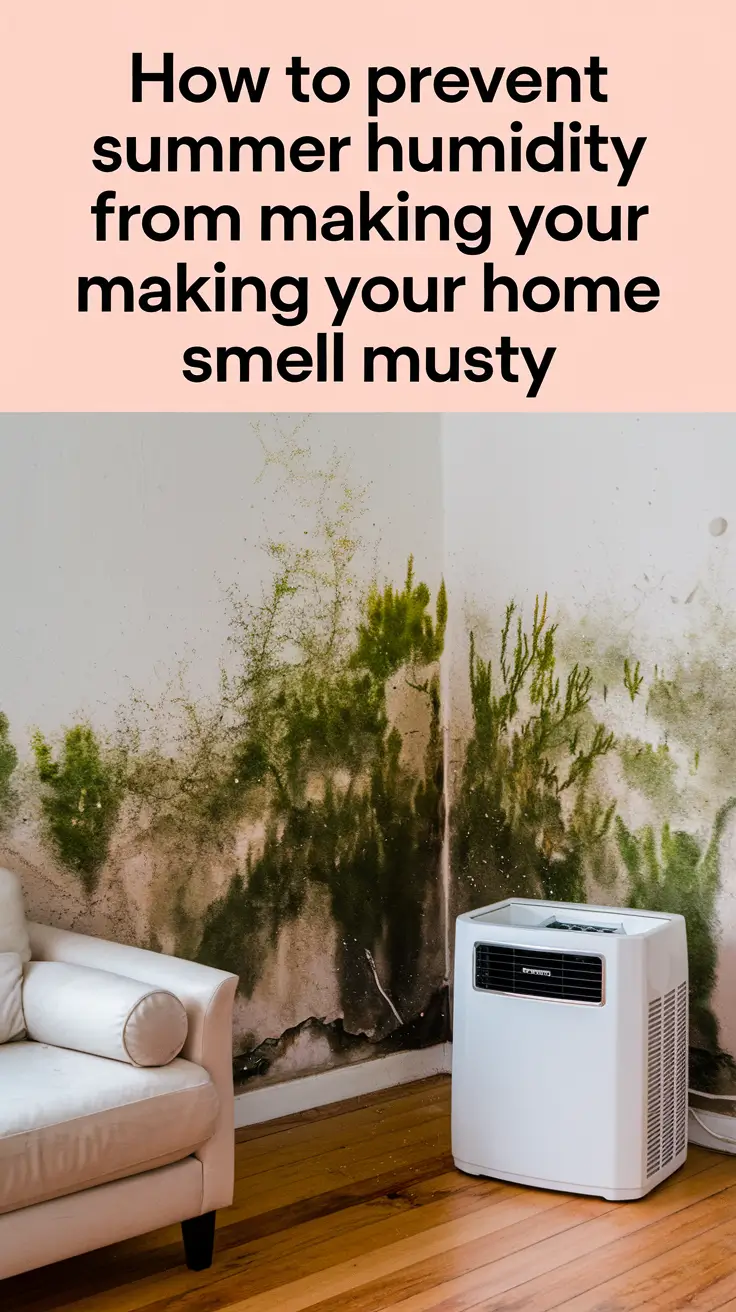
Across Florida, Louisiana, and Mississippi, summer humidity often climbs to around 90%. Plants in your garden may love that moisture, but indoors it works against you. The sticky air clings to everything, and over time it leaves a stale, musty odor throughout your house. This is a major concern for many homeowners heading into 2027.
If you have ever stepped into a room that feels damp and heavy, you already know the problem. When humidity goes unchecked during the hottest months, it gives mold and mildew the conditions they need to thrive, along with the smells that come with them. The good news is that this can be prevented before it takes hold.
This guide walks you through practical, low-cost steps to keep excess moisture from turning your indoor air musty. The methods are tested and suited to typical American homes, whether you live in a historic house in New Orleans or a Midwestern home with a damp basement, so your indoor air stays fresh all summer.
Who is this for? It’s written for homeowners, renters, landlords, allergy sufferers, and anyone living in a humid part of the United States.
Why Does Your House Smell Musty in the Summer?
Humidity is simply moisture in the air. In summer, warm weather lets that moisture build up and linger, especially in shaded, poorly ventilated spots around the house. When damp air keeps touching wood, drywall, and fabric, mold and mildew begin to grow. That growth is what produces the musty scent you notice.
Common Sources of Musty Odors:
- Bathrooms with poor ventilation
- Basements that are naturally damp and dark
- Kitchens with steam from cooking and dishwashing
- Closets and storage spaces with old textiles or cardboard
To be honest, humidity does more than make a house smell bad. It can affect your health as well. Mold spores are known to set off allergies, asthma, and other breathing problems.
Your Turn
In your experience, which approach has worked best for keeping your home fresh during humid summers? Do you use smart dehumidifiers, natural remedies, or a mix of both?
Share your own summer humidity solutions and questions in the comments below.
Pass this guide along to your neighbors. Nobody wants their house to be the one that smells musty on the block.

New Tools to Fight Humidity in 2027
Technology is catching up with the humidity problem. Here are some smart home upgrades worth knowing about:
- Smart dehumidifiers: connect to Wi-Fi and monitor via app
- Humidity sensors integrated into HVAC thermostats
- Air purifiers with humidity controls
- EPA-recommended mold inhibitors for household use
Thinking about an upgrade? Begin with your bathroom exhaust fan. Many 2027 models now come with humidity sensors and automatic ventilation.
Recap: Key Steps to Keep Your Home Fresh
- Monitor humidity (aim for 40–60%)
- Use dehumidifiers in high-risk areas
- Improve ventilation across all rooms
- Check and fix leaks early
- Absorb moisture naturally with household items
- Invest in smart tools for long-term freshness
Humidity Hot Spots in Your Home
Certain areas of a home collect humidity more easily than others. Start your inspection in these spots:
- Basements and crawlspaces: cool air meets warm moisture = perfect mold conditions.
- Laundry rooms: dryers and washers give off a ton of steam.
- Bathrooms: without proper ventilation, hot showers = trouble.
- Kitchens: especially near stoves, dishwashers, and sinks.
Prefer a systematic approach? Make a room-by-room checklist and inspect each space at the beginning of summer.

Signs You Have a Humidity Problem
How can you tell whether it’s just hot weather or a real moisture problem? Watch for these common warning signs:
Visible and Invisible Clues
- Damp spots or water stains on walls or ceilings
- Black or green patches (mold) in corners or grout lines
- A persistent, earthy odor, especially in confined areas
- Condensation on windows and pipes
Notice any of these in your home? If you do, it’s time to take action.
Step-by-Step: How to Stop Musty Smells from Humidity
Step 1: Monitor Humidity Levels
A hygrometer lets you measure indoor humidity directly. You can buy one at most home improvement stores or on Amazon for less than $20.
- Ideal indoor humidity: 40–60%
- Over 60%: risk of mold and odor increases rapidly
Smart Tip: A Wi-Fi hygrometer can send alerts straight to your phone when levels rise.
Step 2: Install Dehumidifiers Where Needed
The best spots to place them:
- Basements
- Bedrooms with poor air circulation
- Laundry rooms
Comparison Table: Popular Home Dehumidifiers
| Brand | Coverage Area | Water Tank | Price Range |
|---|---|---|---|
| Frigidaire | Up to 1,500 sq ft | 22 pints | $180-$220 |
| hOmeLabs | Up to 4,500 sq ft | 50 pints | $230-$280 |
| GE SmartDry | Up to 1,000 sq ft | 20 pints | $150-$200 |
Pick a model based on the size of the room and features such as auto-shutoff or a continuous drain.

Step 3: Improve Airflow and Ventilation
Ventilate during the cooler hours, either early in the morning or in the evening, by opening your windows.
- Install exhaust fans in bathrooms and kitchens.
- Run ceiling fans to circulate air.
- Keep doors inside your home open to promote flow.
Quick Fix: Point box fans at open windows to push damp air outside.
Step 4: Address Water Leaks and Moisture Sources
Water is sneaky. Small, slow drips can cause serious damage over months.
- Inspect plumbing for leaks under sinks and behind toilets.
- Check window seals and rooflines for signs of water entry.
- Clean and maintain your HVAC system’s drip pan and filters.
DIY Tip: Shine a flashlight into dark corners of your basement to spot damp patches.
Step 5: Use Natural Absorbers and Fresheners
Prefer a chemical-free solution?
- Baking soda in bowls placed around the home
- Activated charcoal in cloth pouches
- Essential oils like lavender, eucalyptus, or lemon in diffusers
- Vinegar spray for hard surfaces
These products soak up extra moisture and help neutralize odors.