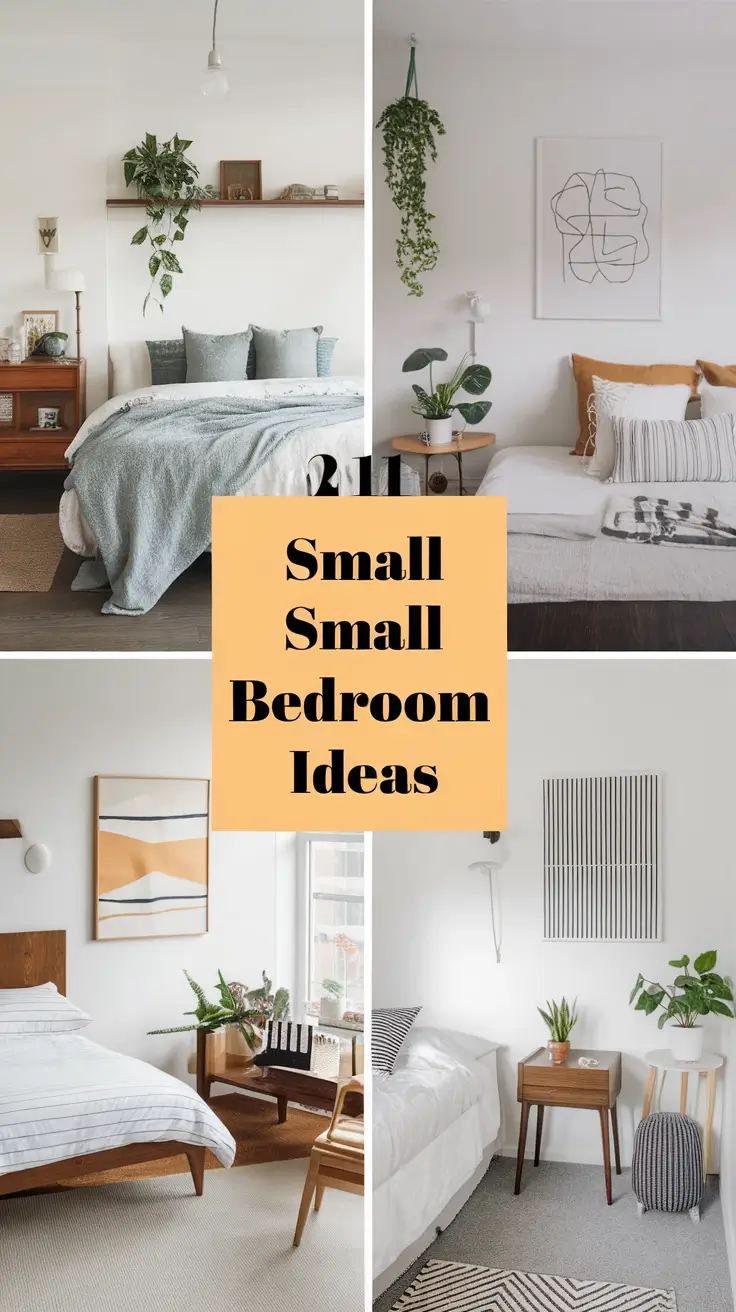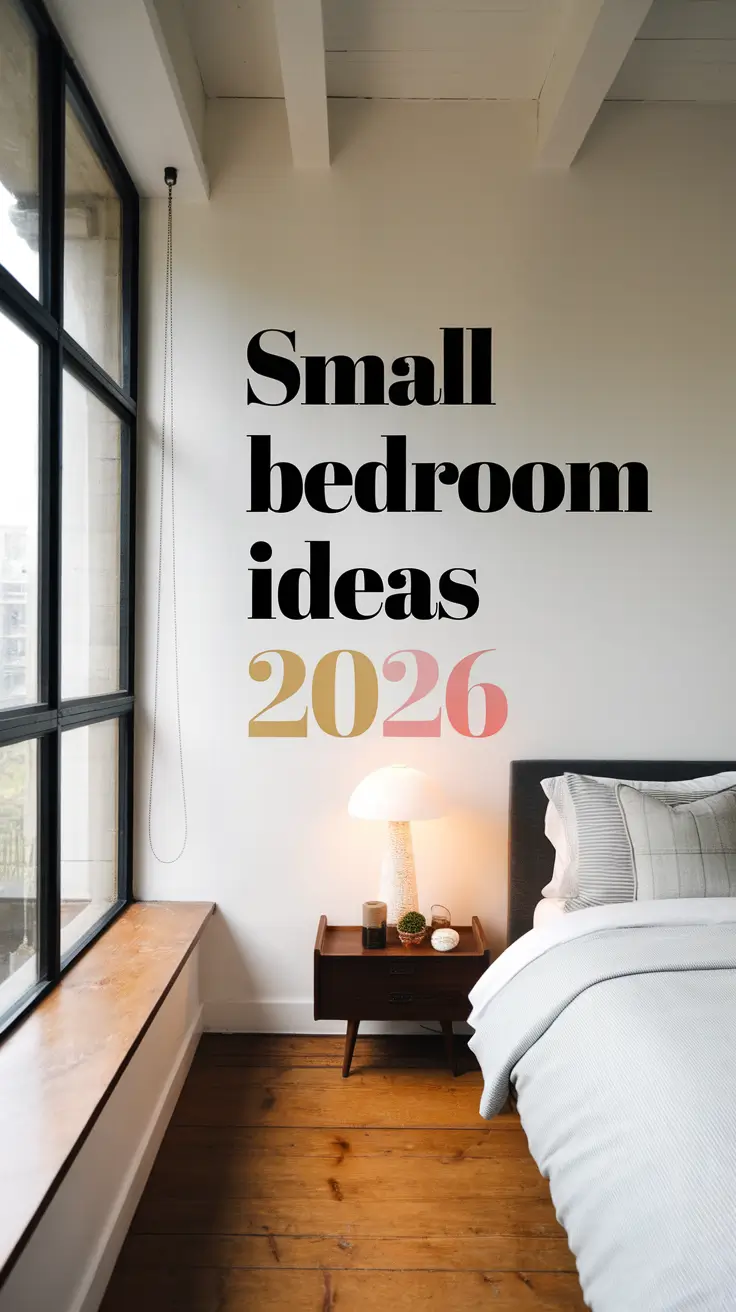
Designing a small bedroom in 2026 raises an exciting question: how can we transform limited square footage into a space that feels modern, functional, and Cozy relaxing while still expressing personal style? With trends moving toward Aesthetic interiors, tech-smart living, and versatile furniture inspired by games like Minecraft, homeowners are searching for designs that combine beauty, practicality, and personality. Whether you’re working with a micro apartment, planning a room for Teens, Kids, or even creating a Couples cozy retreat, the right principles can turn any compact space into something extremely inspiring. In this article, I’ll explore top Layout strategies, trending color palettes, innovative storage ideas, and themed concepts that will help you achieve a Cozy aesthetic bedroom in 2026.
Aesthetic Transformations For Small Bedrooms In 2026
When I design an Aesthetic small bedroom, I focus primarily on light balance, airy visuals, and texture layering. For 2026, the emphasis is on soft neutrals blended with muted pastels, low-profile furniture, and smart zoning. The goal is to create a space that feels very open despite its size while still being warm, inviting, and Cosy. I often use hidden LED strips, floating shelves, and soft wall washes to enhance the visual height of the room. Proper proportions and multifunctional elements allow even the tiniest rooms to feel intentionally crafted.
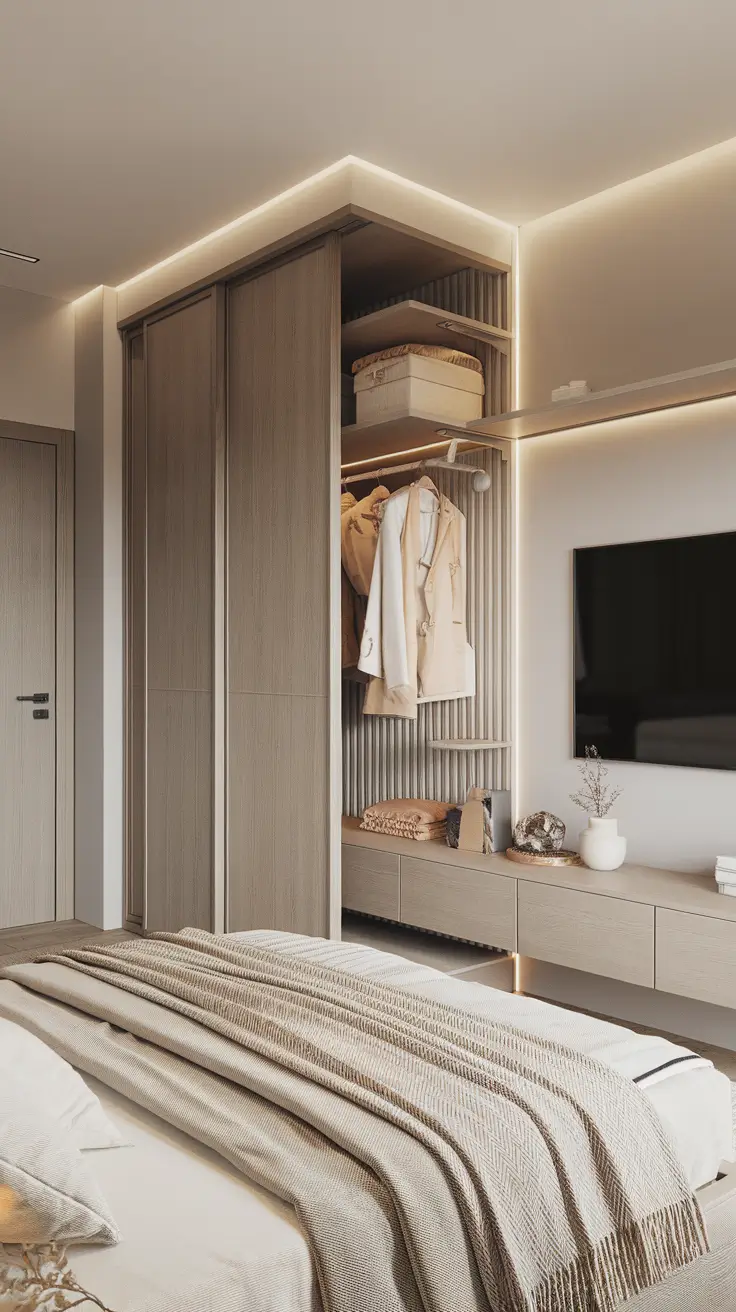
Choosing furniture for an aesthetic design is all about shape and practicality. I typically include a compact upholstered headboard, a slim nightstand, a wall-mounted Tv, and a minimalistic Closet with sliding doors. These selections avoid visual clutter and improve the perceived spaciousness. I prefer layered bedding and woven textures for coziness, and I often integrate mirrors to brighten the room naturally. Every item must serve a purpose while visually supporting the tonal palette.
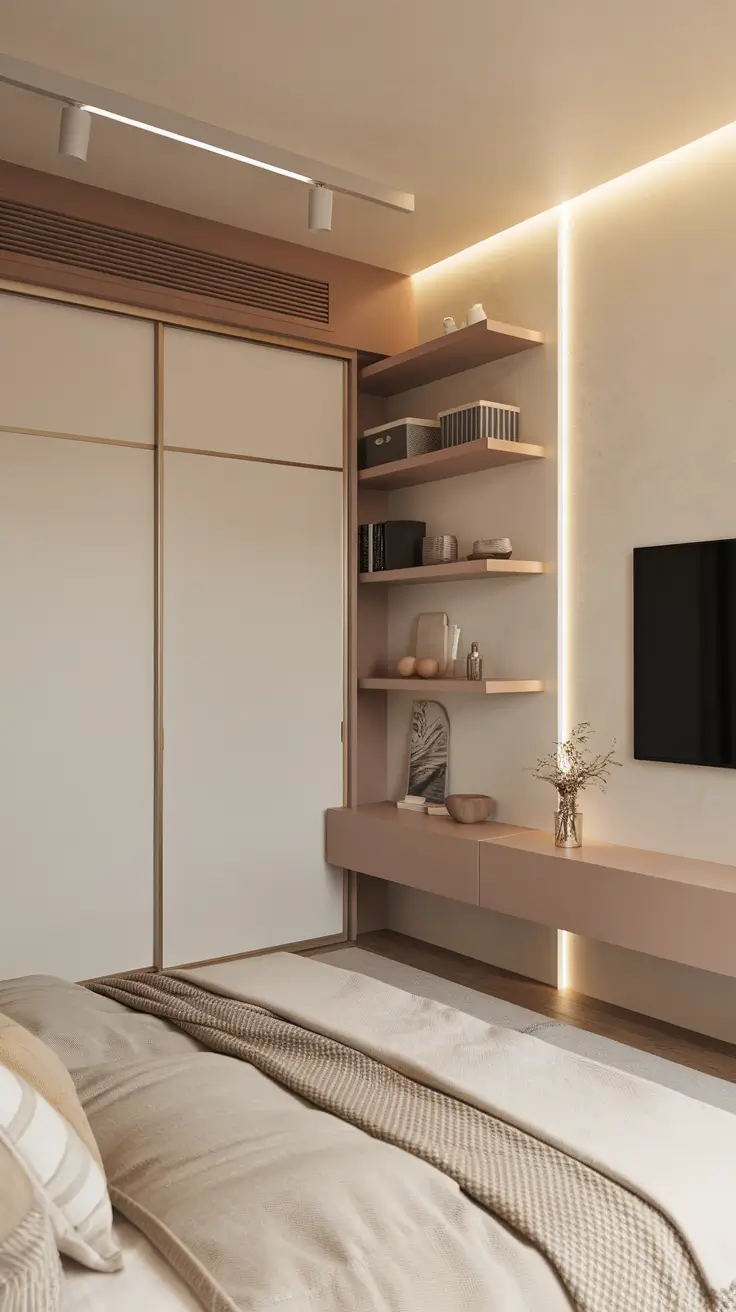
From my professional experience, interior designers at Architectural Digest emphasize the importance of negative space in small bedrooms—allowing the room to “breathe” visually prevents it from feeling cramped. I agree completely; leaving a few intentional empty zones enhances both function and design harmony.
What this section still needs is a stronger focus on incorporating small accent décor items like ceramic vases, warm sconces, or sculptural lamps. I would add these as finishing touches to help create dimension without overwhelming the space.
Minecraft-Inspired Small Bedroom Concepts
When I design a Minecraft-inspired small bedroom, I start by translating block-based aesthetics into real-world geometry. Clean lines, modular storage, and color-blocked wall sections work extremely well in tight layouts. The goal is not to recreate the game literally but to reinterpret its structure in a mature, stylish way that still feels playful and modern. This theme works beautifully for Kids, Teens, or even adults who want a unique focal point.
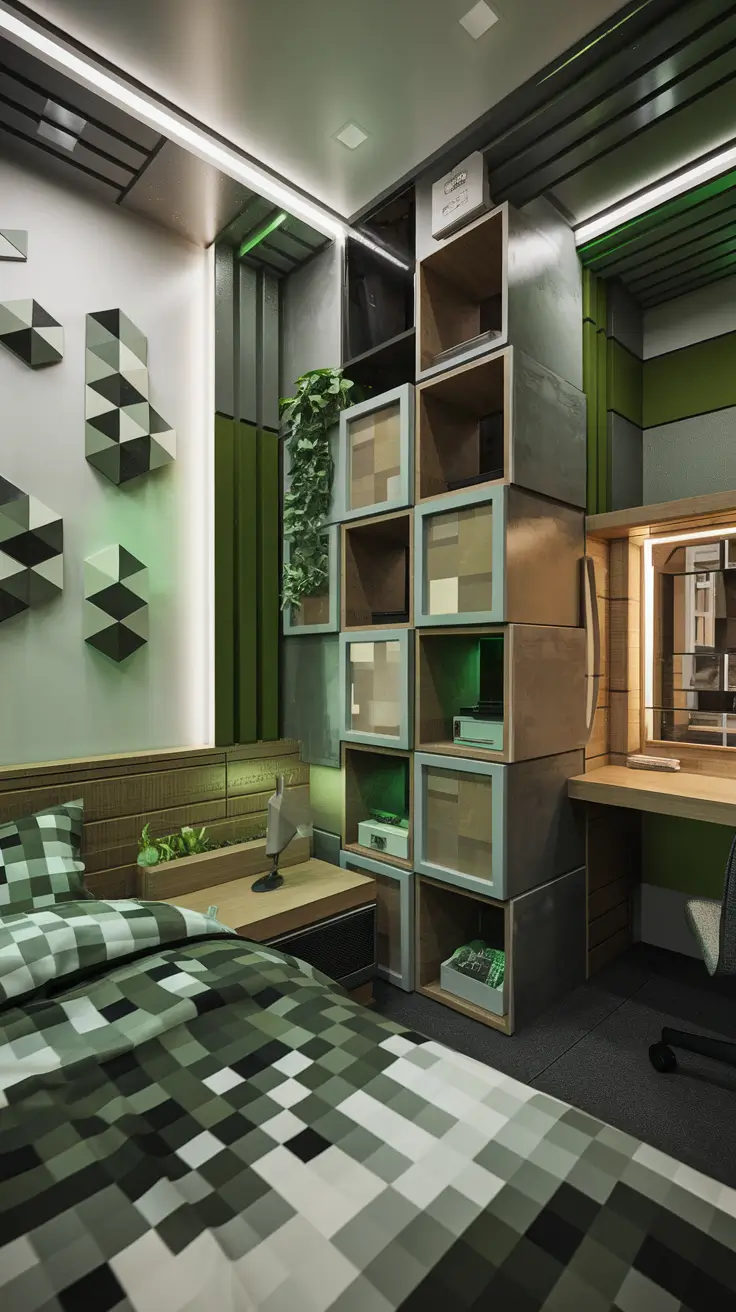
To bring the design to life, I typically incorporate cube shelving, square wall art, minimalist bedding, and a structured Layout. A pixel-pattern rug or duvet becomes the anchor element, while functional pieces such as under-bed drawers and stackable nightstands emphasize the game’s modularity. A compact desk area fits in seamlessly, reflecting the building aspect of Minecraft. The palette often uses greens, whites, wood tones, and earthy neutrals for a grounded look.
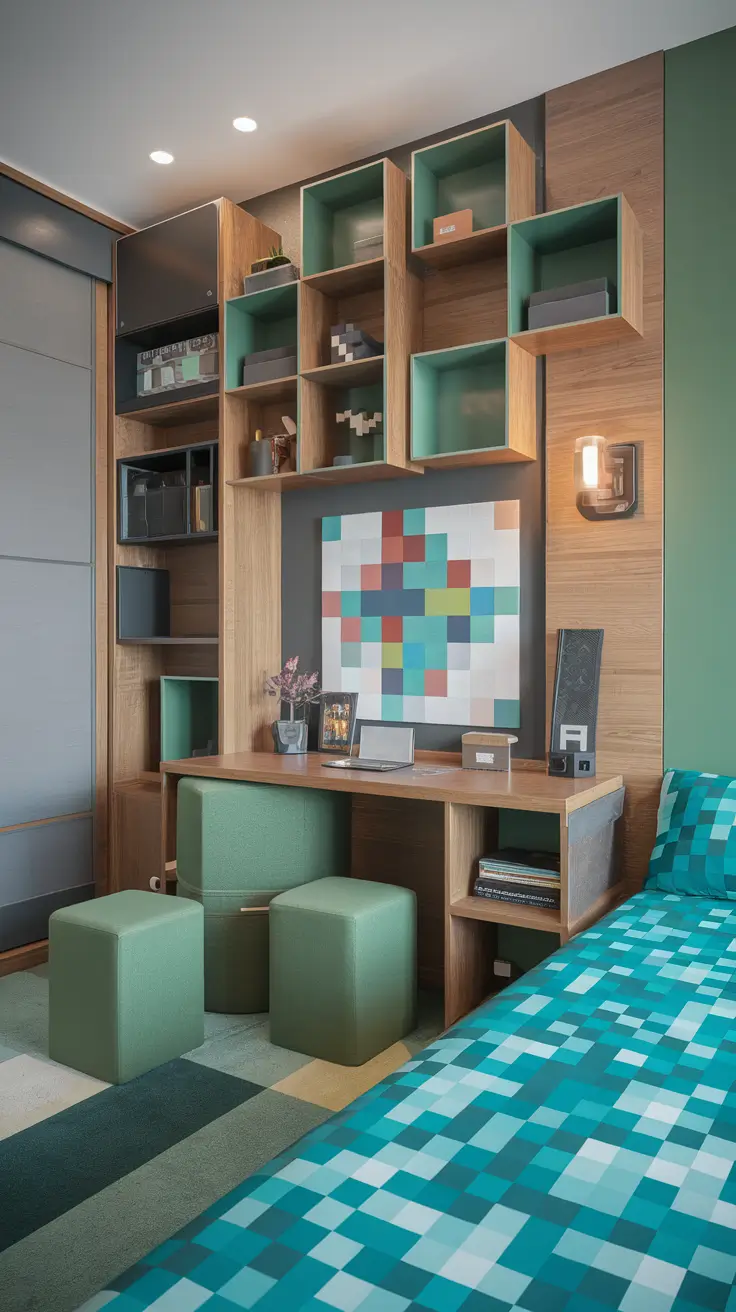
I once designed a Minecraft-themed room for a teenage client, and the biggest success came from balancing theme and sophistication. The editors at House Beautiful often note that themed rooms should age gracefully by focusing on structure, not gimmicks. I find that absolutely true—keeping the concept subtle ensures longevity.
This section would also benefit from highlighting ambient lighting—especially cube-shaped lamps or soft LED accents—to reinforce the Minecraft geometry without cluttering the space.
Maximizing Space With A King Size Bed
In 2026, many people want the comfort of a King size bed even in a small bedroom, and I completely understand why. With thoughtful planning, a king bed can become the centerpiece of a compact but Cozy relaxing space. The key is to prioritize open pathways and limit unnecessary furniture so the room feels intentional rather than overcrowded. I often use lighter fabrics, large wall art, and vertical accents to keep the room visually balanced.
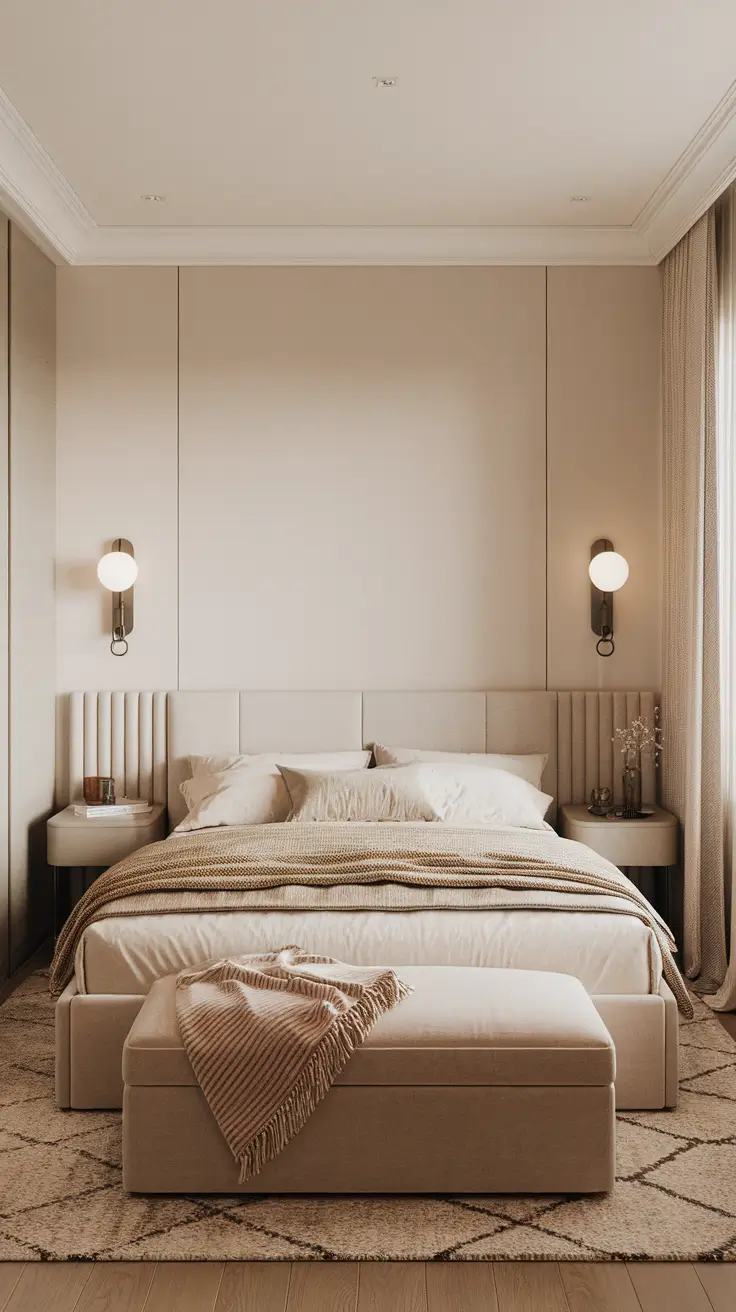
Furniture selection must be strategic. I lean toward a king bed with built-in drawers or a hidden lift compartment to maximize Extra storage. Slimline nightstands, wall-mounted sconces, and a streamlined Closet help maintain proportion. I avoid bulky dressers unless absolutely necessary, opting instead for floating shelves or tall, narrow organizers. A simple bench at the foot of the bed can add both function and elegance.
From my experience, designers at Apartment Therapy frequently point out that large furniture in small spaces can make a room feel bigger—counterintuitive but true when done correctly. I’ve seen this repeatedly in projects: a king bed anchors the room and creates symmetry that helps the space feel grounded rather than chaotic.
For this section, I would expand on rug placement guidelines—choosing the right rug size can visually elongate the room and improve perceived flow.
Smart Small Bedroom Designs With A Single Bed
A Single bed is one of the most efficient ways to enhance both space and function in a small bedroom. When I design around a single bed, I aim to maximize the remaining floor space for movement, storage, or multi-use zones. This is especially valuable in apartment bedrooms, Kids spaces, and compact Teens rooms. With the right arrangement, a single bed can look modern, elevated, and intentionally minimal.
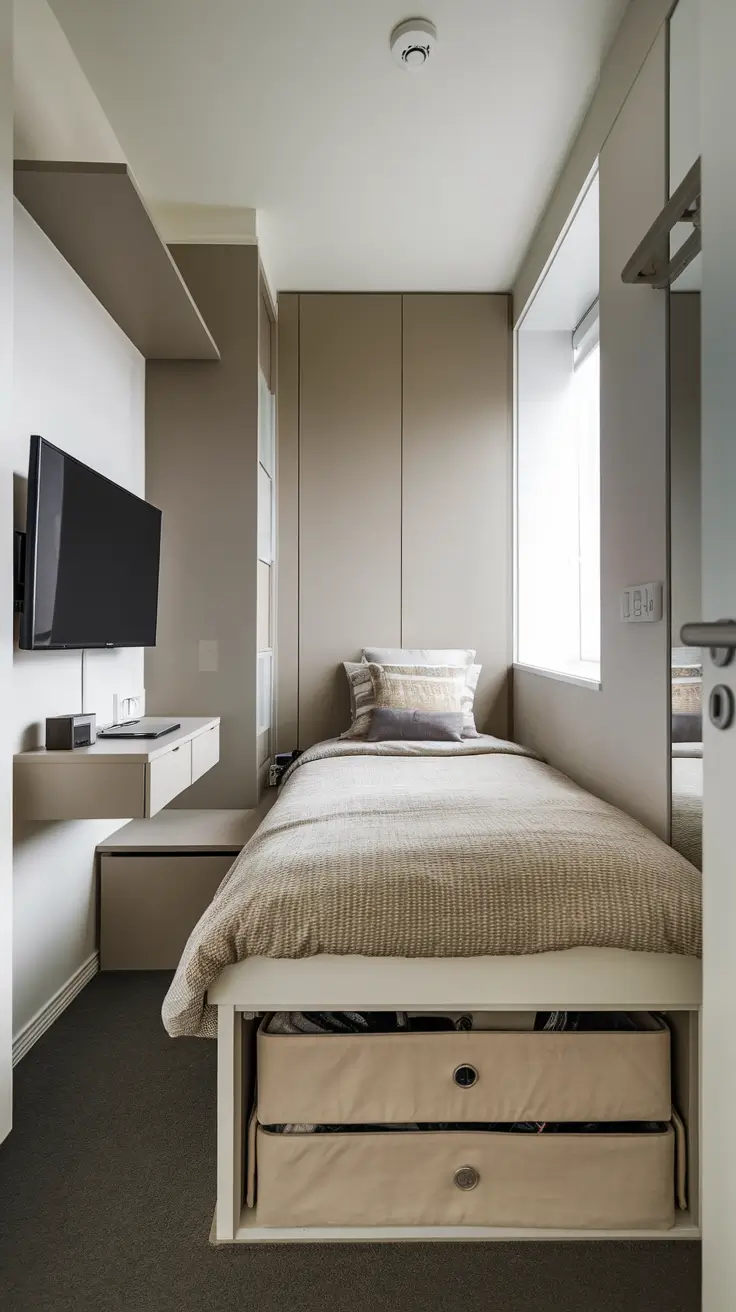
I often choose a raised single bed frame with drawers or a loft-style structure that incorporates a desk underneath. A small wall-mounted Tv, floating nightstand, slender wardrobe, and narrow shelving help streamline storage. Since the bed itself takes up minimal room, I add textured textiles, framed prints, and functional accessories to maintain a sense of fullness without clutter.
In many cases, I’ve found that young adults prefer single-bed layouts because they allow more freedom for hobbies and workspace design. According to HGTV, multifunctional furniture is the top trend for small rooms in 2026, especially for renters. I fully support this: the more control a person has over their limited space, the more comfortable and productive they feel.
It might be beneficial to mention optional privacy elements like light curtains or partial room dividers to create more defined zones without overwhelming the footprint.
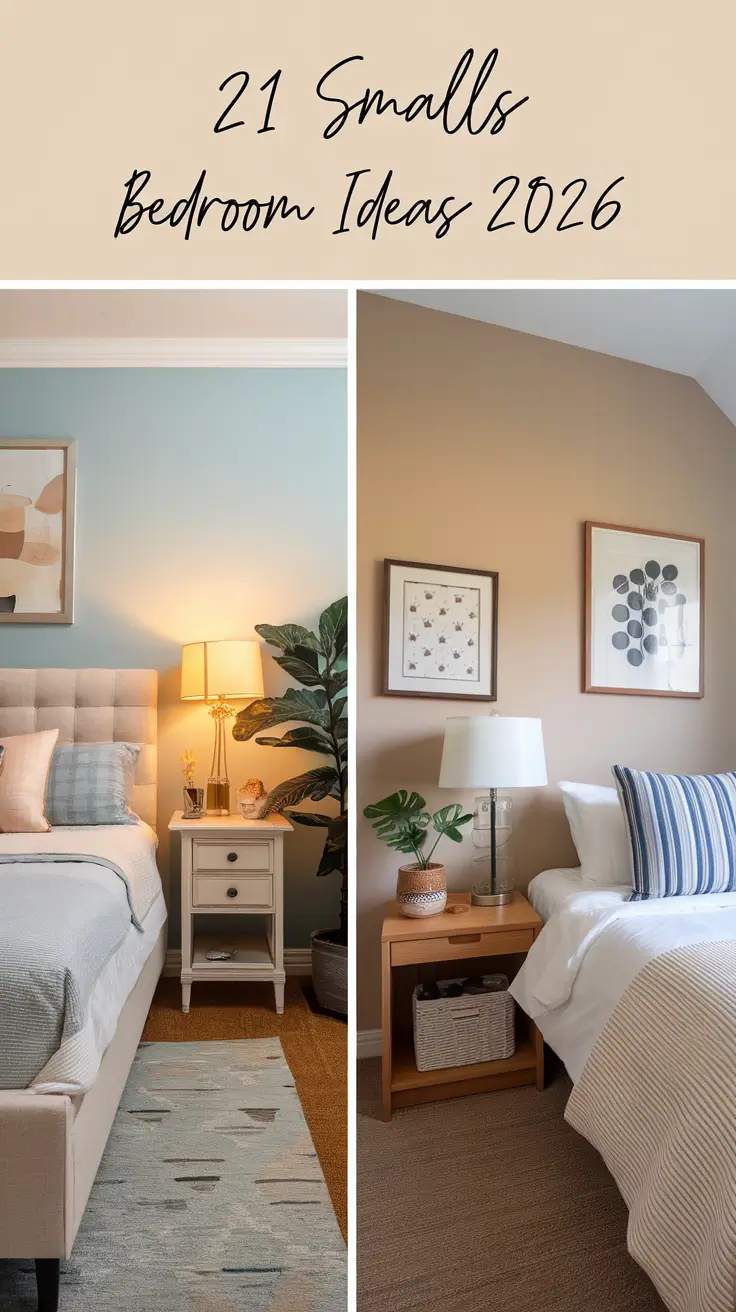
Ikea-Driven Solutions For Compact Living
When I use Ikea solutions in small bedrooms, I focus on modular pieces that can adapt to changing needs. Ikea’s 2026 line is especially helpful for maximizing small spaces with Scandinavian simplicity. I love using their hybrid storage furniture, foldable desks, and multifunctional bed frames. The clean lines and soft finishes naturally enhance a modern Aesthetic while supporting both practicality and comfort.
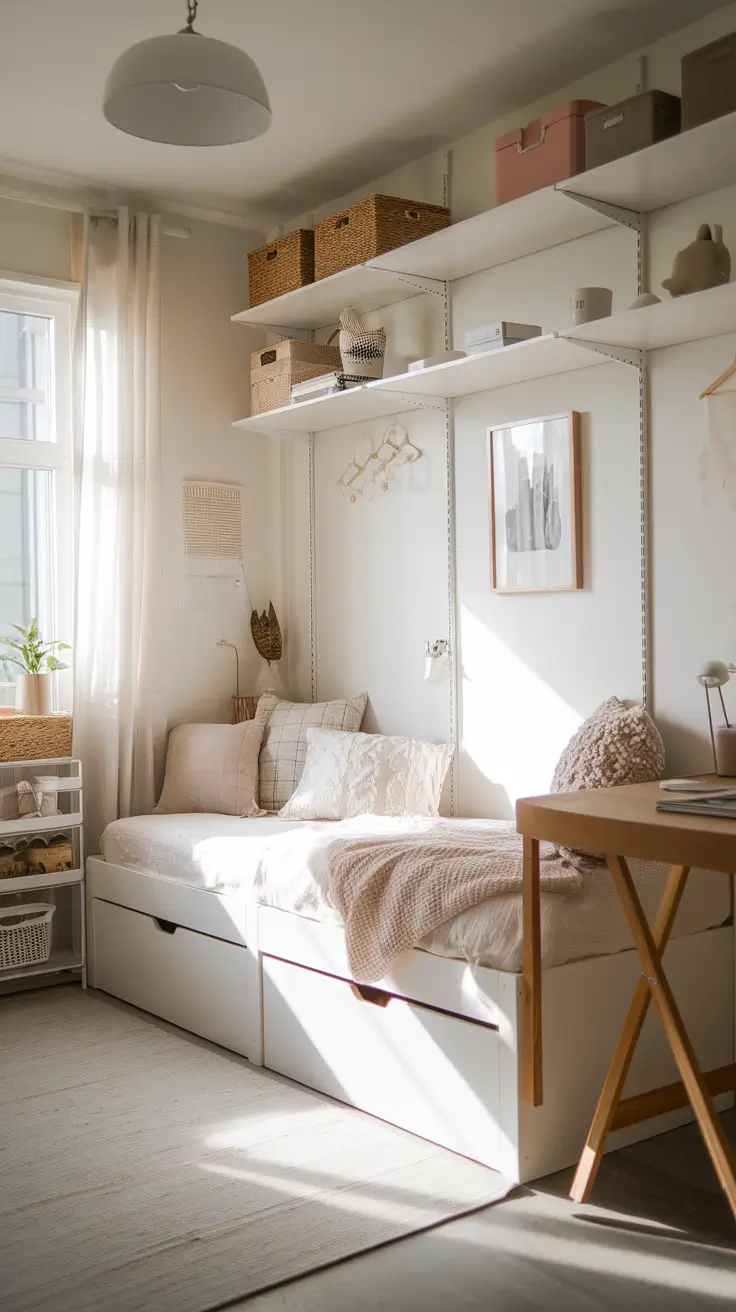
My typical selections include a Slakt bed frame with drawers, a Pax Closet system, a floating Lillången shelf, and a compact Norden folding table for workspace flexibility. These pieces integrate seamlessly into nearly any style, and because they’re modular, they can be rearranged over time. Paired with soft textiles and warm lighting, Ikea furniture brings a Cozy, cost-effective appeal.
Professionals at Real Simple often highlight how Ikea pieces excel in small rooms due to their standardized sizing and adaptability. I’ve witnessed this firsthand—whether designing for Teens, Couples, or solo dwellers, Ikea simplifies the layout planning process tremendously.
To enhance this section, I would also incorporate ideas for maximizing Pax interior fittings such as pull-out trays, shoe organizers, and integrated lighting to create a more polished custom-built feel.
Extra Storage Ideas For Ultra-Small Rooms
When I design ultra-small bedrooms, I rely on Extra storage techniques that don’t visually overload the environment. Vertical thinking is crucial—tall shelves, lofted beds, and high-mounted cabinets enable huge improvements without sacrificing floor space. I also use hidden compartments, dual-purpose seating, and wall-niche storage to keep everything accessible yet discreet.
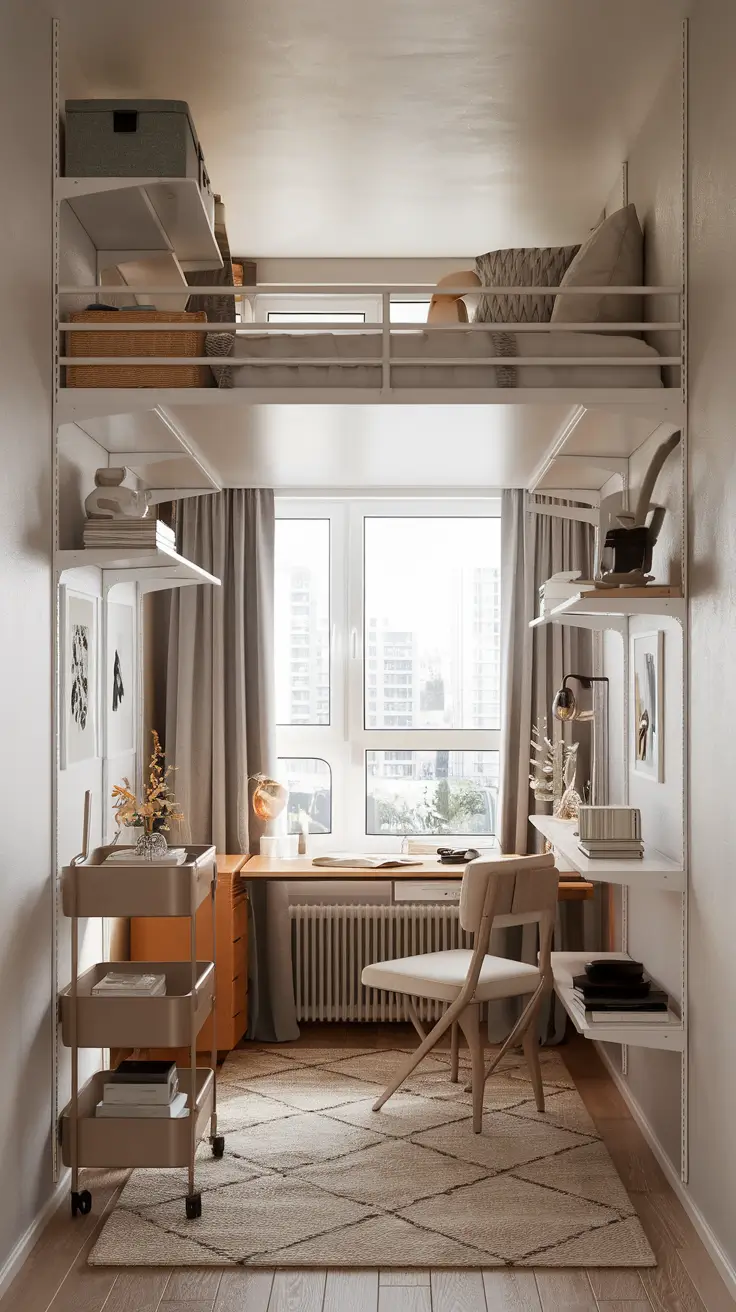
I typically include under-bed drawers, sliding racks inside the Closet, slim rolling carts, and stackable cubes. These maintain organization without adding bulk. Fold-away wall desks, collapsible benches, and multi-zone lighting allow the room to switch between Cozy relaxing, work, and sleep without clutter.
From my experience, small-space specialists at The Spruce frequently emphasize that storage must be intuitive, not just abundant. I agree wholeheartedly—if storage isn’t easy to use daily, the room becomes cluttered quickly.
I would also add a brief mention of transparent storage bins or labeled baskets since these make retrieving items significantly easier in tight spaces.
Bloxburg-Style Aesthetic For Real-World Bedrooms
When creating a Bloxburg-style bedroom in real life, I focus on translating the clean, playful, super-customizable aesthetic of the game into a refined physical space. This typically includes pastel palettes, symmetrical layouts, simple geometric decor, and warm lighting for a Super inviting atmosphere. It’s a style that appeals especially to Teens and Kids, but with the right finishings, adults also love it.
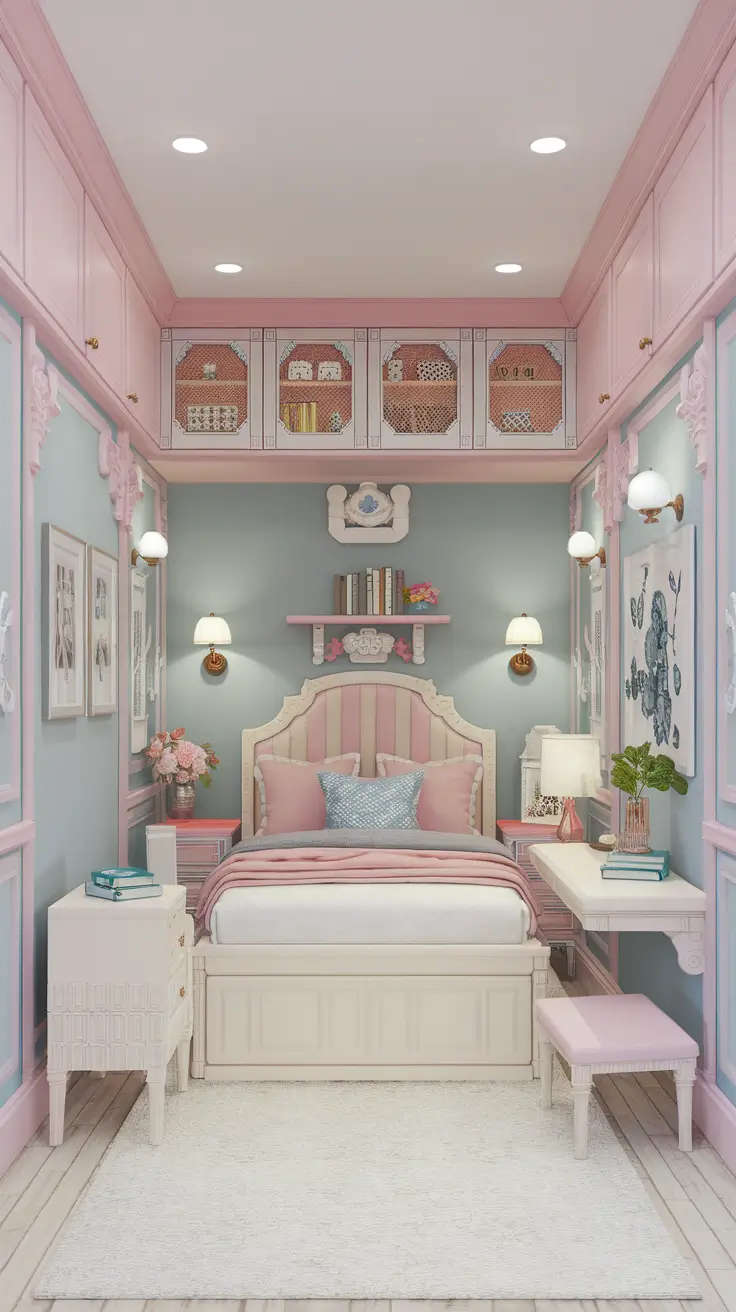
I usually incorporate compact seating, a plush bed, cube shelving, a decorative rug, and soft accent lighting to reflect Bloxburg’s cozy and structured nature. Rounded mirrors, pastel wall prints, and streamlined Layout choices bring out the signature charm. A small Tv area can also work well, provided it is mounted and minimal.
I’ve noticed that Bloxburg-inspired rooms often help clients express creativity. As interior stylists at Domino Magazine often say, a themed room must strike a balance between youthful fun and long-term usability. I find that soft colors and geometric decor are the best elements to carry into adulthood.
For improved depth in this section, I would add more emphasis on layering textiles—throw blankets, pillows, and curtains help replicate Bloxburg’s warm, simplified look.
Pink Bedroom Ideas For Small, Stylish Spaces
When I design a small Pink bedroom, my focus is on creating a warm, uplifting environment without overwhelming the space. In 2026, pink bedrooms lean toward soft blush, muted rose, and earthy nude tones that contribute to a Cozy relaxing and sophisticated look. I carefully balance the color with light wood accents, warm metallics, and neutrals so the room maintains an elegant, modern Aesthetic rather than appearing overly youthful.
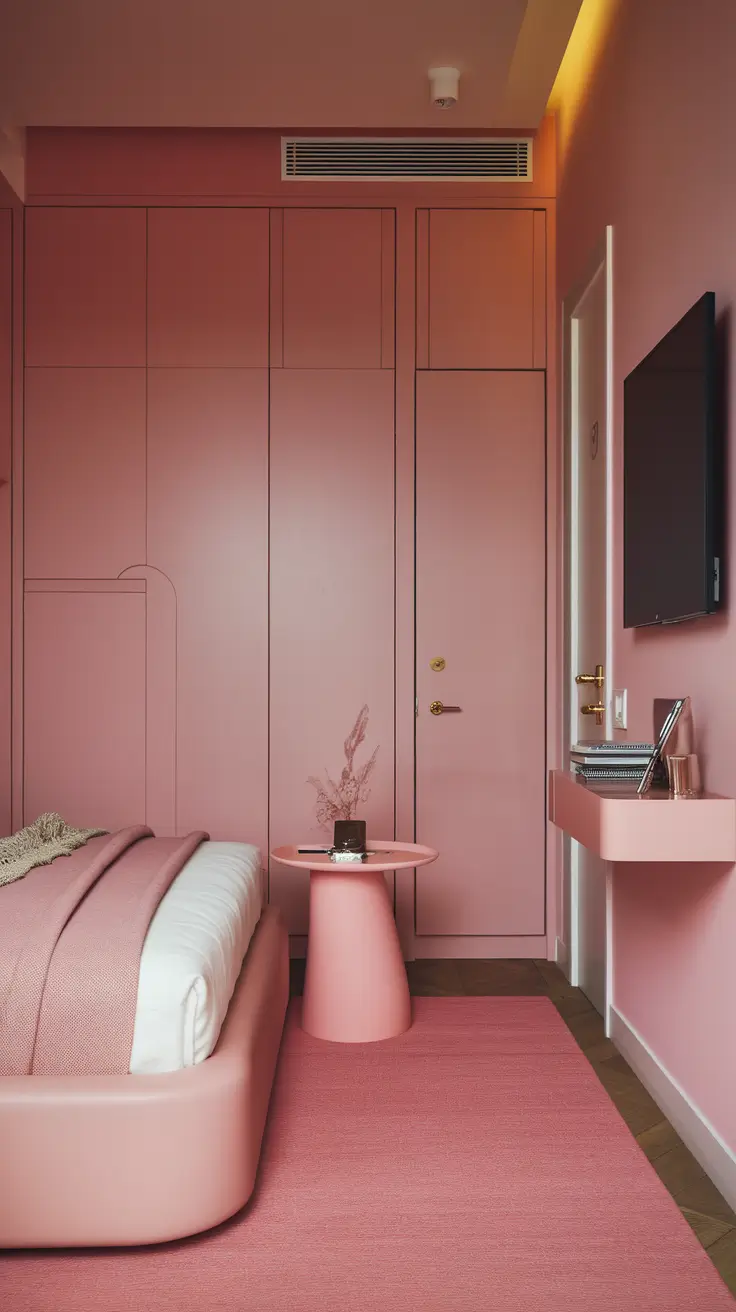
I typically select a bed frame with soft curves, a slim side table, and a minimalist Closet with pale finishes to complement the palette. Textured throws, matte-pink wall art, and soft lighting help create layers of warmth. For Teens, a small Tv mounted on the wall can enhance comfort without consuming valuable floor space. Area rugs and matching decorative pillows tie the design together, allowing the pink theme to feel intentional and stylish.
From my experience, color experts at Better Homes & Gardens emphasize using tonal layering when decorating with pink. I’ve followed this advice many times—mixing multiple pink shades keeps the room visually dynamic without feeling too bold. I especially love incorporating rose-tinted LED lighting as an optional accent for a very soft, dreamy mood.
To strengthen this section further, I would add ideas for brass or champagne-colored fixtures, which complement pink beautifully and elevate the overall elegance.
Layout Strategies That Elevate Tiny Rooms
When I approach the Layout of a very small bedroom, the goal is to create fluid movement and efficient zoning. In 2026, the trend focuses on multifunctional arrangement strategies that make the room feel more open than its square footage suggests. I assess pathways, natural lighting, and furniture scale before finalizing the plan. Proper placement can make even the smallest space feel Cozy, organized, and deeply functional.
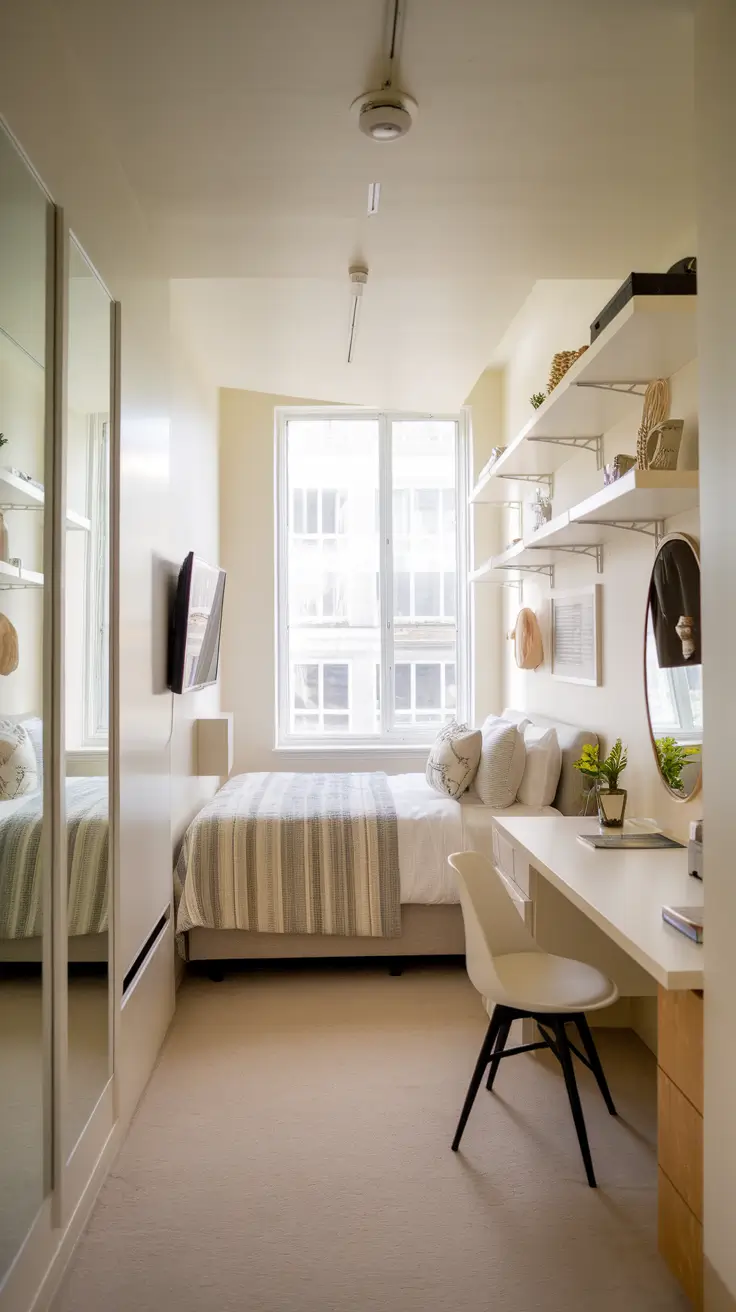
In practice, I often float the bed against the longest wall, place a slim desk opposite the Closet, and ensure that any seating remains compact and movable. A wall-mounted Tv, fold-out nightstands, and elevated shelving systems help free the lower portion of the room for movement. Choosing visually light materials like glass, white oak, and metal helps maintain brightness. Mirrors positioned across from windows expand visual depth drastically.
Professionals at Elle Decor frequently stress the importance of mapping a room on grid paper before purchasing furniture. I follow the same method—fine-tuning the arrangement prevents costly mistakes and ensures the room feels balanced. I’ve seen many clients surprised by how much space they actually gain when layout is handled thoughtfully.
One element I’d still add is guidance on cord management solutions, which is especially important in small bedrooms with electronics and lighting features.
Bedroom Ideas For Two Sisters Sharing A Small Space
Designing a small bedroom for 2 sisters requires careful coordination between personal style and shared functionality. I always begin by identifying each sister’s preferences and finding a color scheme that satisfies both. In 2026, flexible layouts and dual-purpose furniture make it possible to create a beautiful, Cozy relaxing shared room that feels both private and collaborative. Maintaining harmony through symmetry is especially helpful in small spaces.
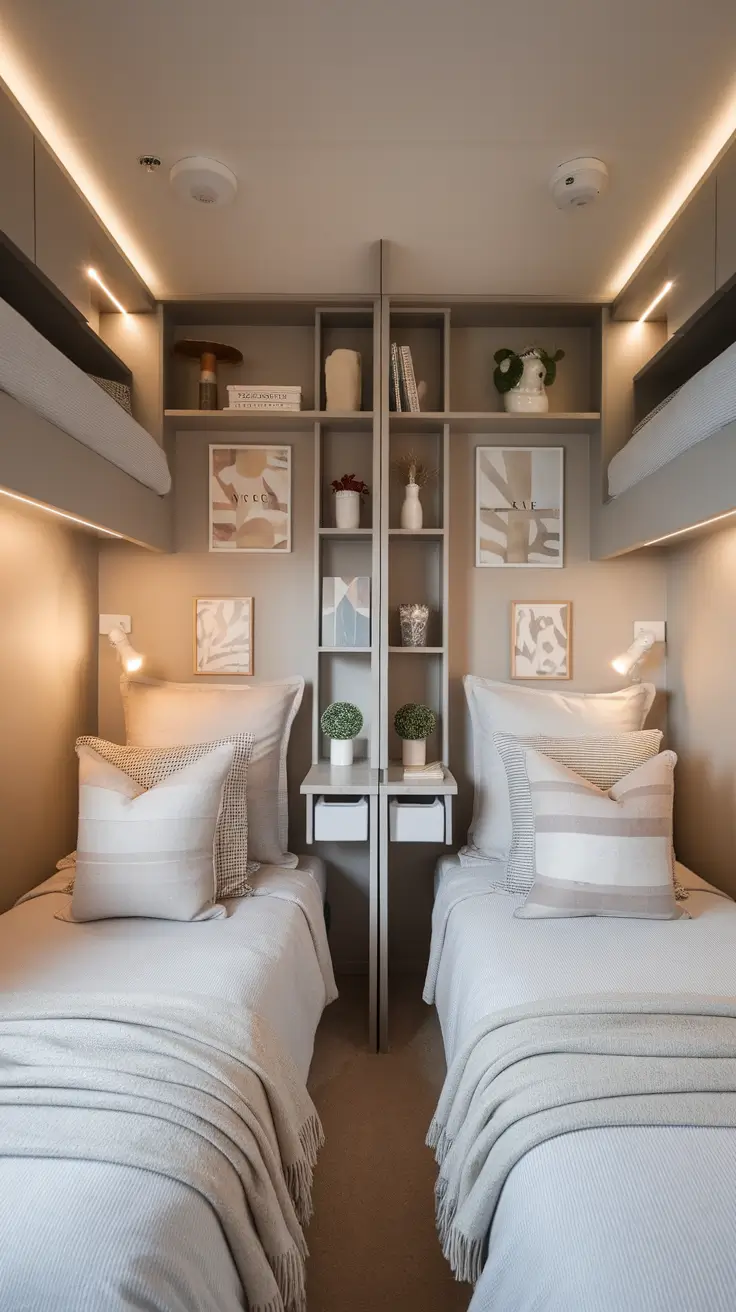
For furniture, I frequently use either two compact single beds or a bunk-style solution to free up the center area. Individual wall-mounted shelves, personalized décor zones, and separate storage baskets ensure each sister enjoys her own identity. A shared workstation with two chairs maximizes productivity, and a mounted Tv can provide entertainment without encroaching on the floor plan. Neutral tones paired with accent colors keep the design elevated and age-appropriate.
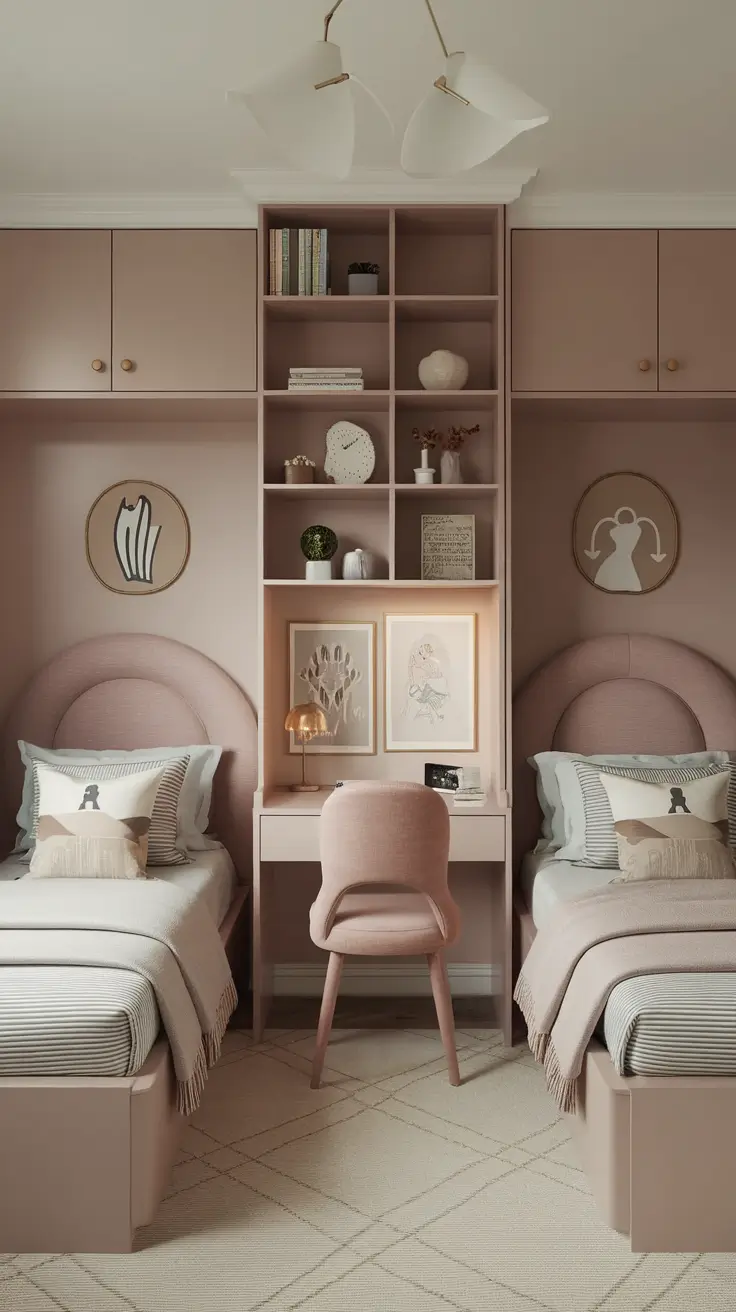
Drawing on parenting guides from Real Simple, I’ve learned that giving each sibling a defined personal area reduces tension and boosts comfort. I apply this through color coding, separate bedding sets, or individual lighting controls. Sisters often appreciate having small private touches even inside a shared space.
I would expand the section by including guidance on under-bed storage systems, which work excellently in shared rooms to prevent clutter.
Shared Bedroom Solutions That Feel Spacious
When I design a Shared bedroom, my priority is to make the space feel as open and Extremely efficient as possible. The 2026 approach focuses on reducing visual weight, simplifying color palettes, and ensuring that every square foot contributes to comfort and usability. Whether the room is for Couples, siblings, or roommates, a thoughtful Layout can dramatically transform how spacious the room feels.
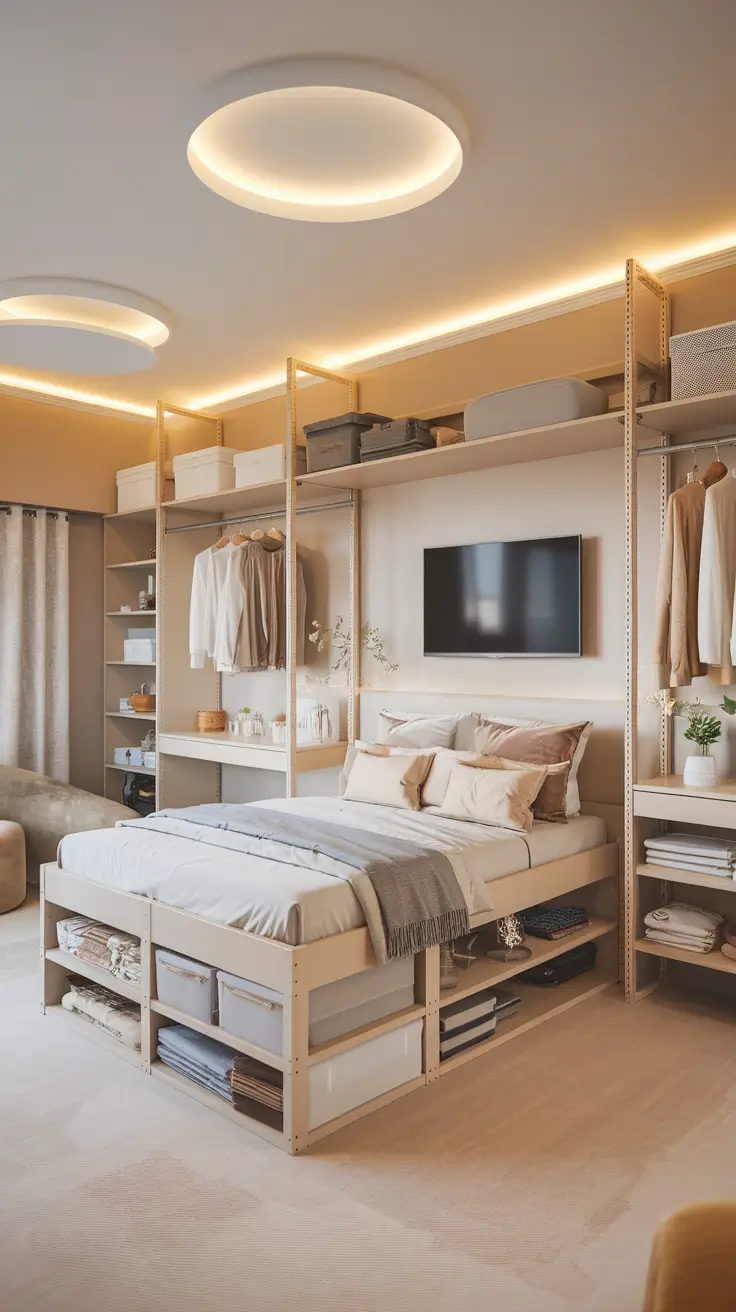
I often incorporate multifunctional furniture, such as a bed with drawers, a modular wardrobe system, or a floating desk that doubles as a vanity. Light textiles, soft LED lighting, and neutral tones help maintain an airy atmosphere. A wall-mounted Tv, slim shelving, and open-bottom furniture pieces also prevent the room from feeling boxed in. When designing for Couples cozy environments, I make sure the lighting and textiles enhance warmth while maintaining openness.
From my experience and from insights shared by Domino Magazine, reducing surface clutter is one of the strongest strategies for spaciousness. I’ve applied this principle consistently—clear zones and minimal tabletop decor help the room feel larger, calmer, and more luxurious.
A useful addition to this section would be suggestions for recessed lighting or pocket doors, which remove obstructions and increase usable space without renovation-heavy changes.
Cozy And Relaxing Small Bedroom Concepts
I find that a cozy and relaxing small bedroom begins with warm neutrals, layered textures, and strategic lighting that enhances a compact layout. In 2026, soft natural palettes, curved silhouettes, and organic materials dominate, creating a soothing environment even in rooms with very limited space. To maintain a truly cozy relaxing atmosphere, I often use warm LED sconces, low-profile furniture, and plush textiles that elevate comfort without adding clutter. This type of design works beautifully in small homes, micro-apartments, and compact guest rooms.
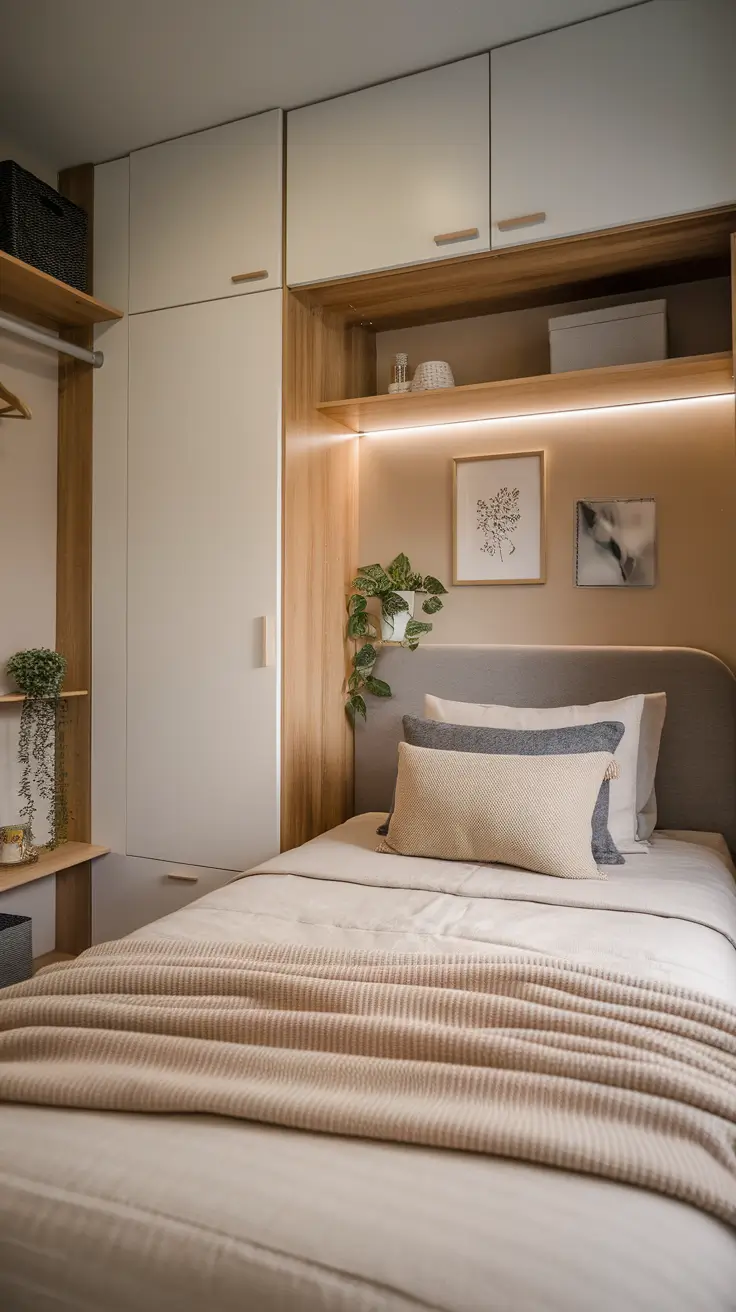
When selecting furniture, I prioritize a slim single bed or a compact king size bed alternative like a small double, depending on lifestyle needs. Textured throws, boucle cushions, and wall-mounted shelving help maintain openness. I often incorporate Ikea multifunctional pieces because they balance simplicity and affordability. A small rug under the bed adds visual grounding, and layered curtains soften light for a restful ambiance.
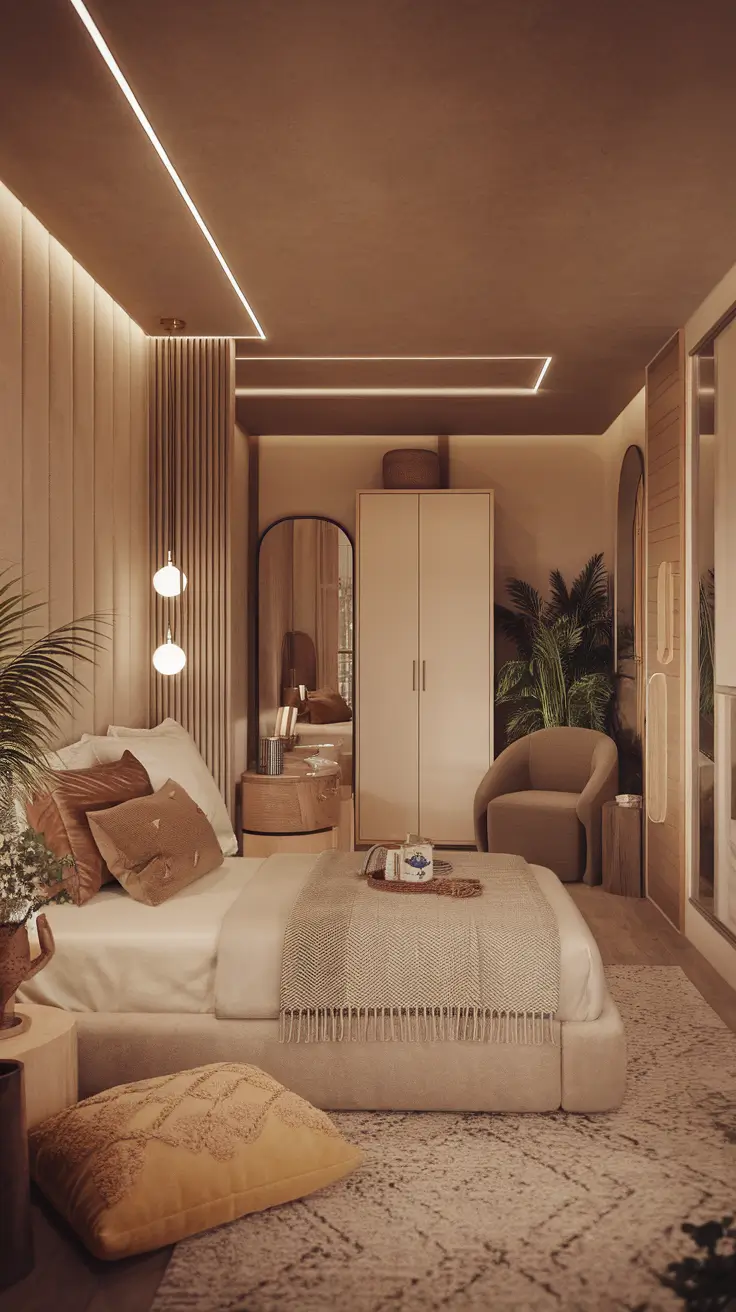
From my experience, homeowners respond best to designs that feel calm but intentional. Designers like Nate Berkus often emphasize the value of warm lighting and tactile materials for emotional comfort in small rooms, and I fully agree with that approach. I’ve seen plenty of clients surprised by how transformative subtle texture layering can be.
I would also add a natural-element focal point such as a framed botanical artwork or a small potted plant, which enhances tranquility without overwhelming the layout.
Couples’ Cozy Bedroom Designs For Minimal Space
When designing compact bedrooms for couples, I concentrate on layouts that carve out intimacy and harmony despite limited square footage. Soft neutral tones, symmetrical nightstands, and unified bedding create cohesiveness. In very small rooms, I find that choosing the right bed size is essential; a scaled-down king size bed or a minimal-frame queen can maintain a couples cozy feel without overpowering the space.
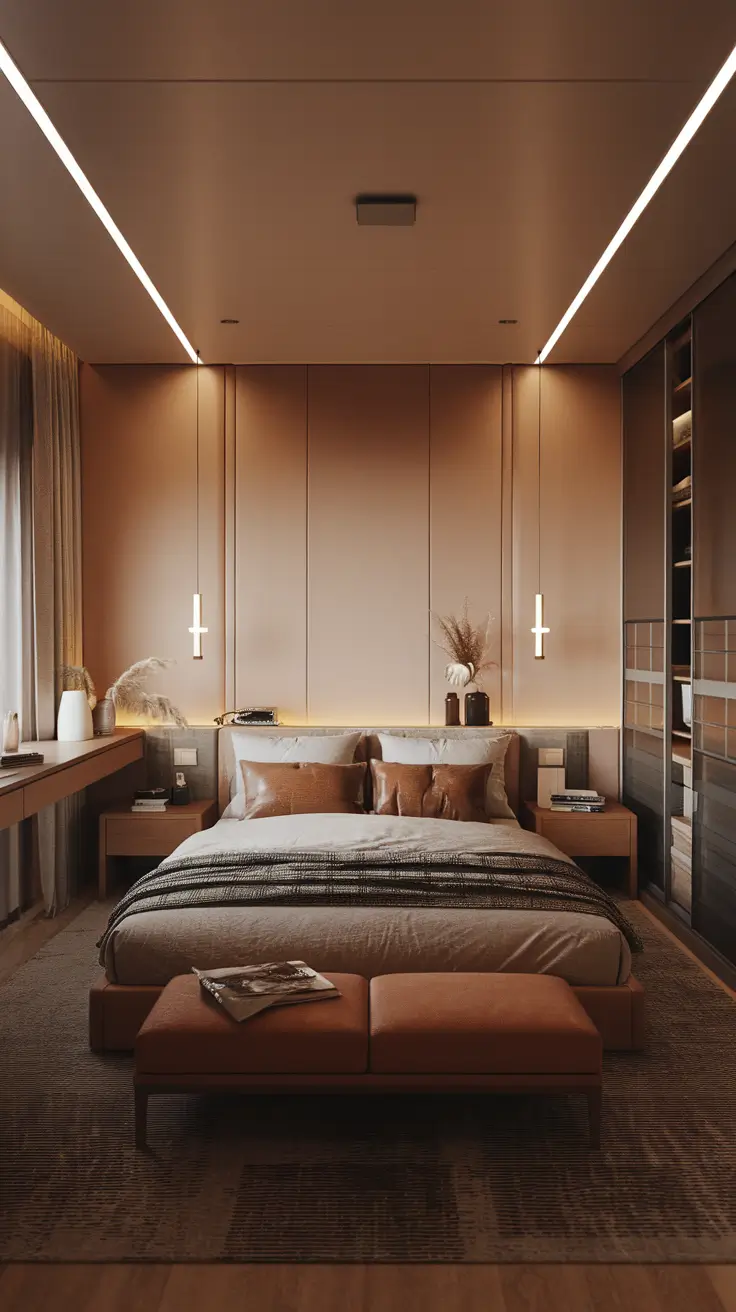
Essential furnishings include floating nightstands to free floor area, discreet under-bed storage, and lighting that can be individually controlled. I often rely on Ikea modular closets to keep the footprint efficient, and I add fabric textures in muted tones to keep the room warm and connected. A soft rug and diffused lamp lighting enhance the intimacy.
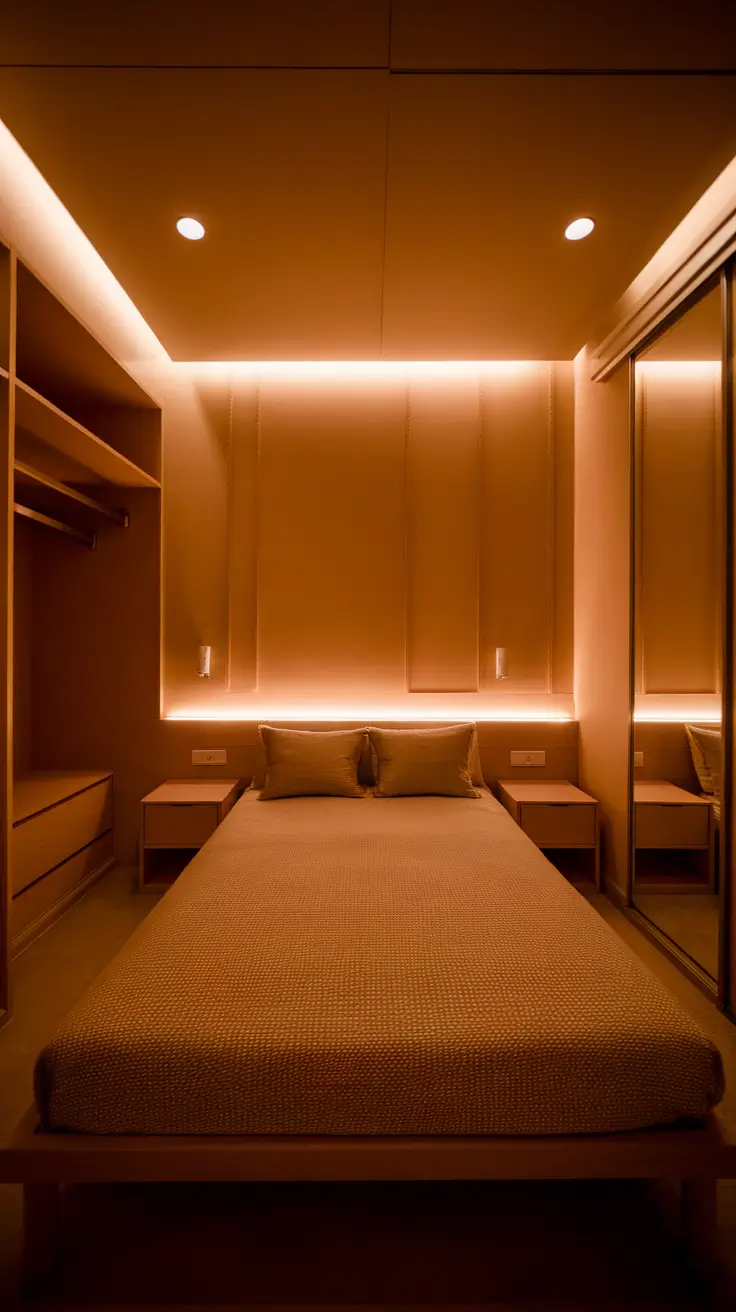
In my opinion, the best compact couples’ rooms prioritize emotional comfort over decoration excess. As Architectural Digest frequently notes, symmetrical layouts foster psychological calm, which is especially valuable when couples share close quarters. I echo this in my own practice; symmetry works almost every time.
I would include one more detail: a compact bench or ottoman at the foot of the bed to provide seating without clutter.
Cosy Design Tips For Bedrooms With Limited Footprint
For extremely small bedrooms, the key lies in curated simplicity. I often begin with soft, matte finishes and warm earth tones to achieve a cosy yet airy feel. Minimalist silhouettes, flush lighting, and a restrained color palette help the room feel more expansive. The goal is to create depth without overwhelming the limited footprint.
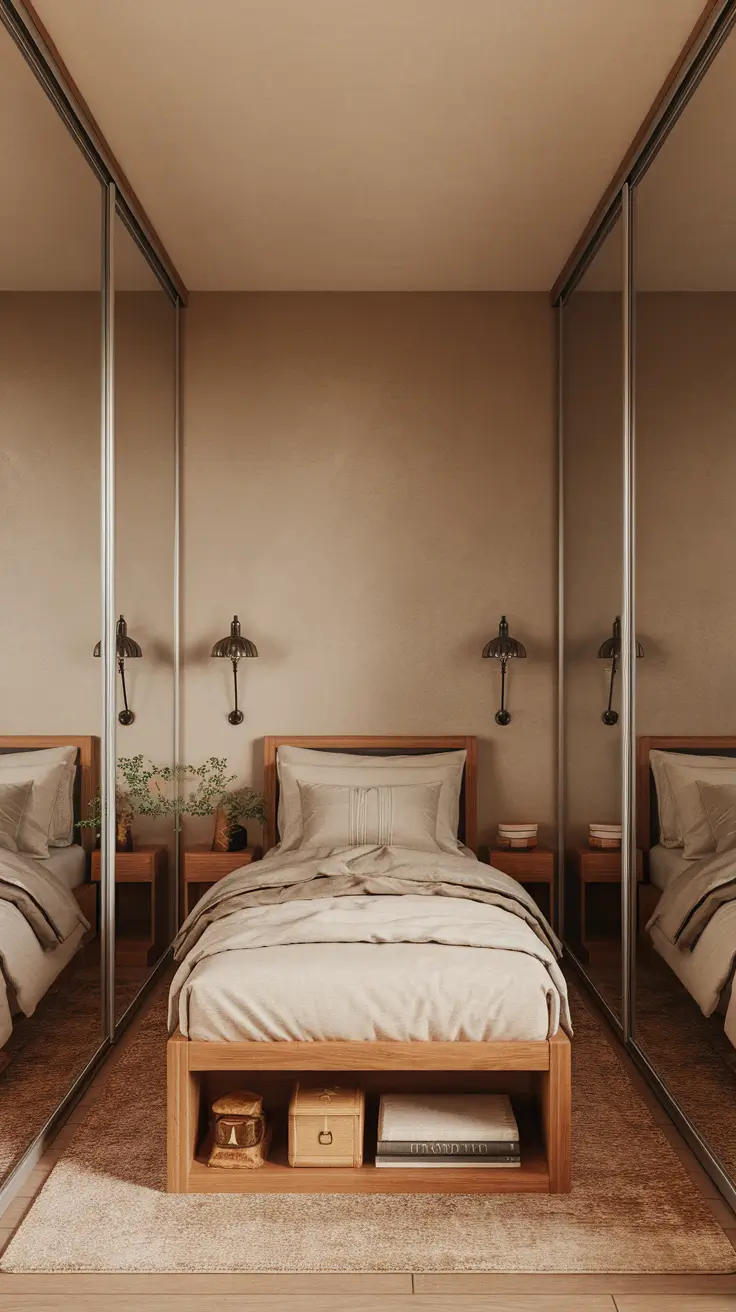
Furniture selection should emphasize dual-purpose pieces. A storage single bed, slim profile nightstand, and a foldable desk can support both comfort and function. Wall-mounted lamps eliminate bulky floor lamps, and mirrored closet doors visually enlarge the room. Textiles like wool throws or linen bedding create gentle, inviting layers.
From my perspective, cosy design succeeds when all elements feel intentional and balanced. I frequently reference interior editors at Real Simple, who advocate prioritizing vertical space usage in small rooms. This method has consistently allowed me to maximize storage without compromising comfort.
I might further enhance this concept by adding soft acoustic wall panels, which create tactile warmth and improve noise control.
Apartment-Friendly Small Bedroom Inspirations
Small apartment bedrooms demand smart layouts and streamlined storage. I often use light neutrals paired with muted accents like pale pink or forest green to create depth without weight. Apartment bedrooms are typically limited in natural light, so maximizing brightness through diffused lighting, pale woods, and sheer curtains helps maintain an uplifting modern vibe.
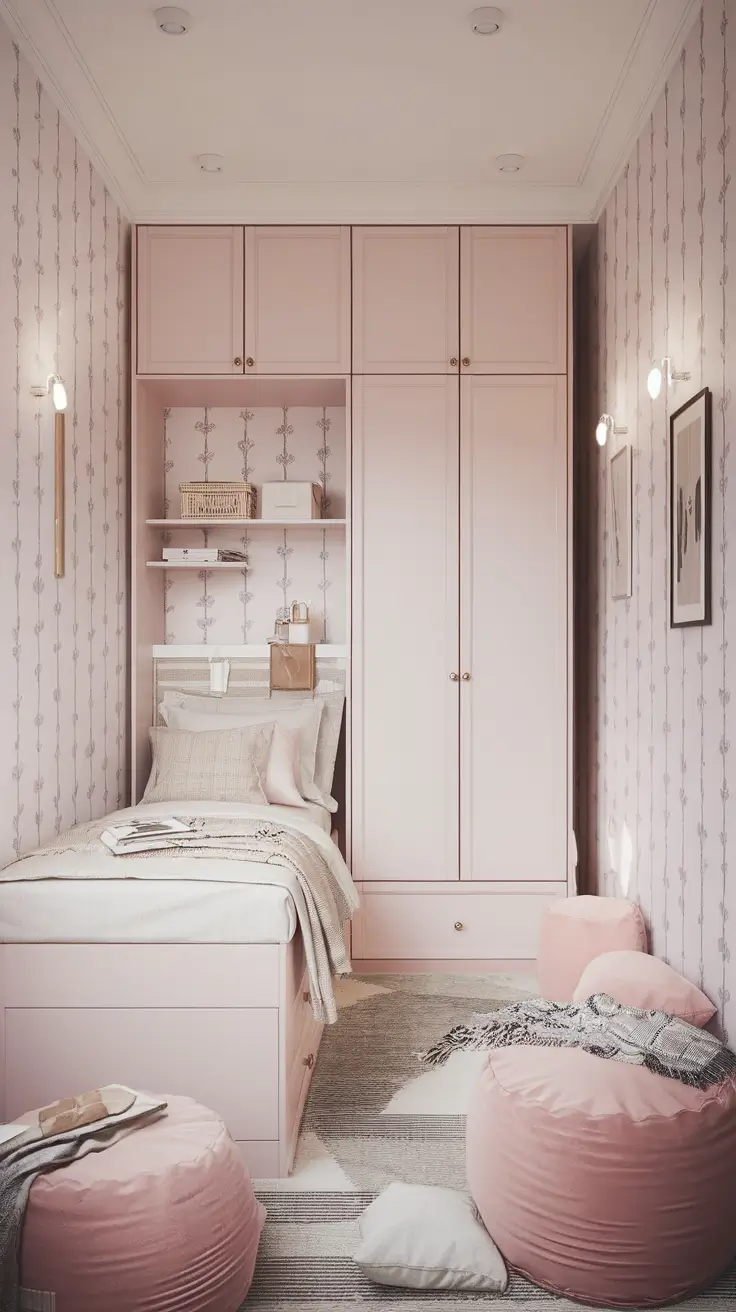
Furniture choices depend on mobility and modularity. Foldable desks, stackable stools, and adjustable shelving make the space adaptive for renters. A well-proportioned single bed with drawers below increases storage utility. Ikea Pax wardrobe systems can be configured to fit awkward alcoves common in older apartments. Soft textiles enhance comfort while keeping maintenance minimal.
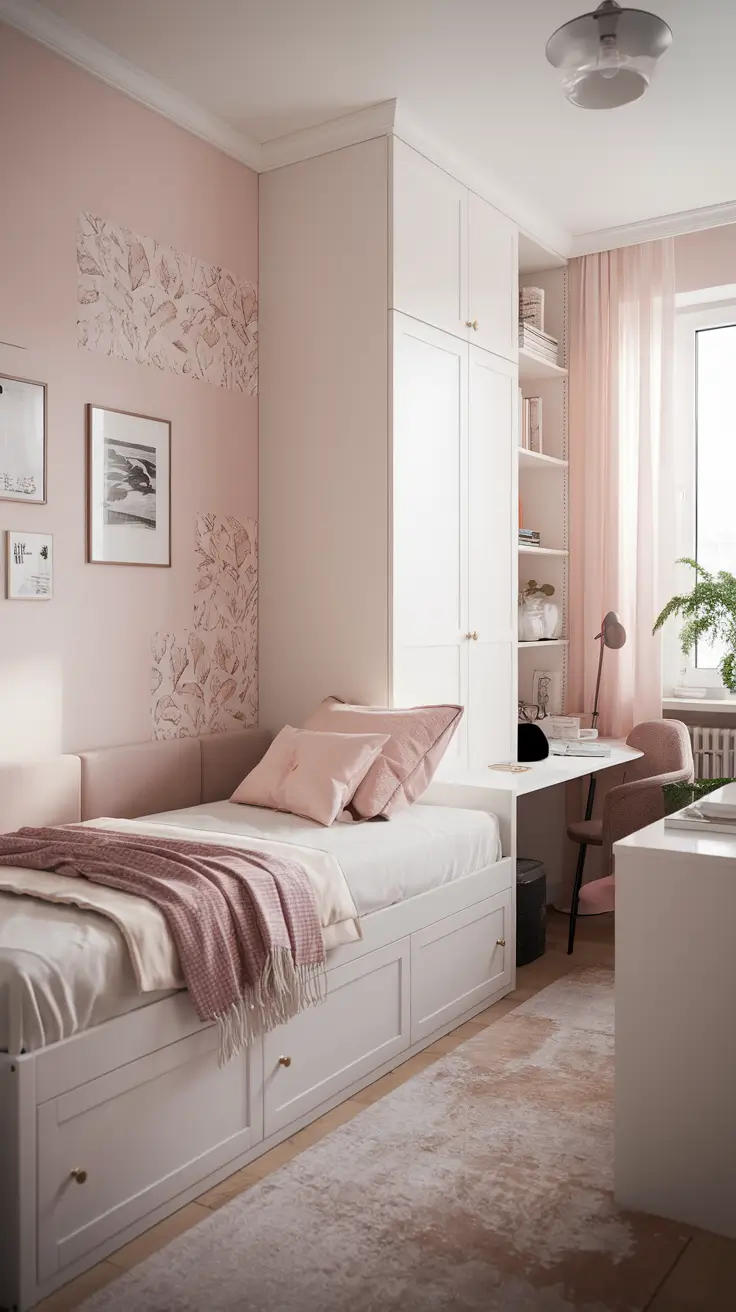
Drawing from my experience, renters appreciate solutions that feel upscale yet removable. Designers at Apartment Therapy often suggest peel-and-stick wallpapers for renters who want to personalize their space without damage. I regularly integrate these into my apartment-friendly concepts.
I would add one more renter-friendly idea: attach subtle LED strips under shelves or the bed frame for ambient lighting that feels modern and elevated.
Integrating A TV Into A Compact Bedroom Layout
Integrating a tv into a small bedroom requires thoughtful placement to maintain both comfort and practicality. I usually mount the TV opposite the bed to save space, choosing slim, matte-finish screens that blend seamlessly into the décor. Keeping wall colors soft and minimal prevents visual overcrowding around the TV area.
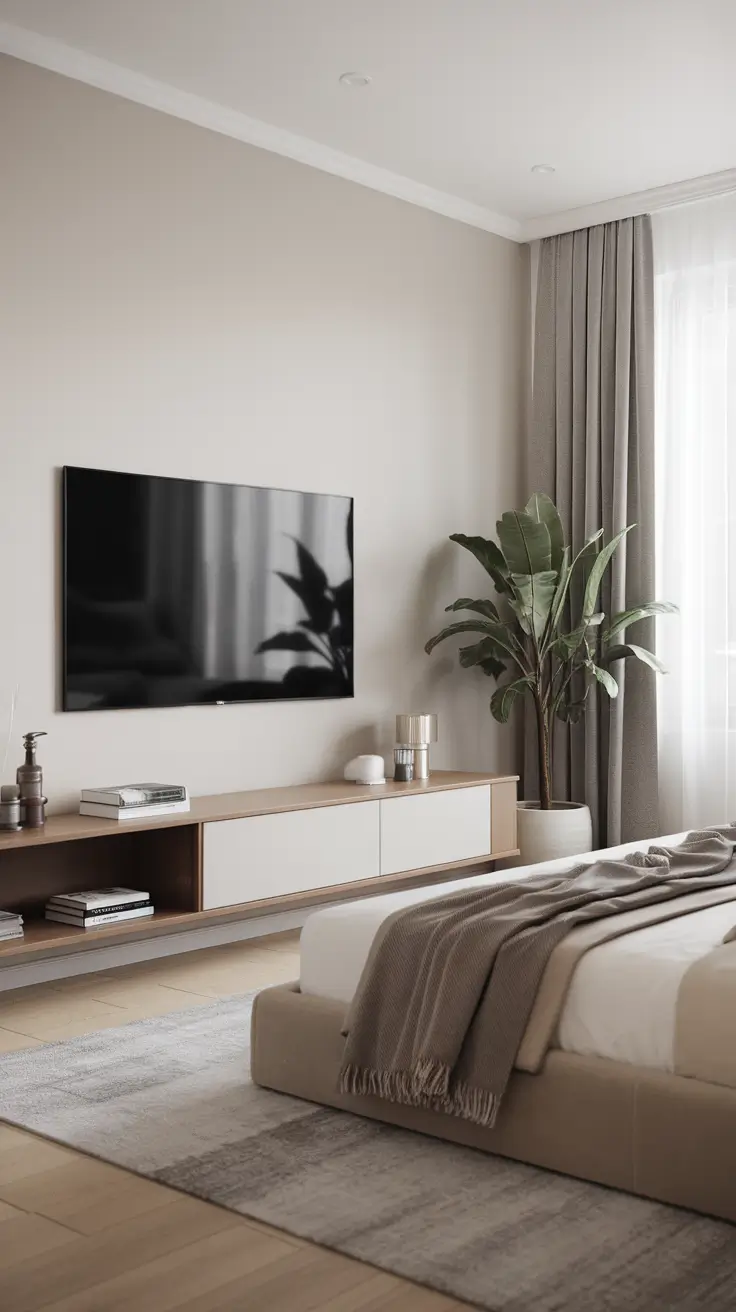
Complementary furniture includes a floating media shelf to hold devices, a simple Ikea console for small storage needs, and a neatly framed wall arrangement that helps the TV feel part of the design rather than a disruption. Choosing a low-profile king size bed or a compact single bed ensures clear sightlines without limiting mobility.
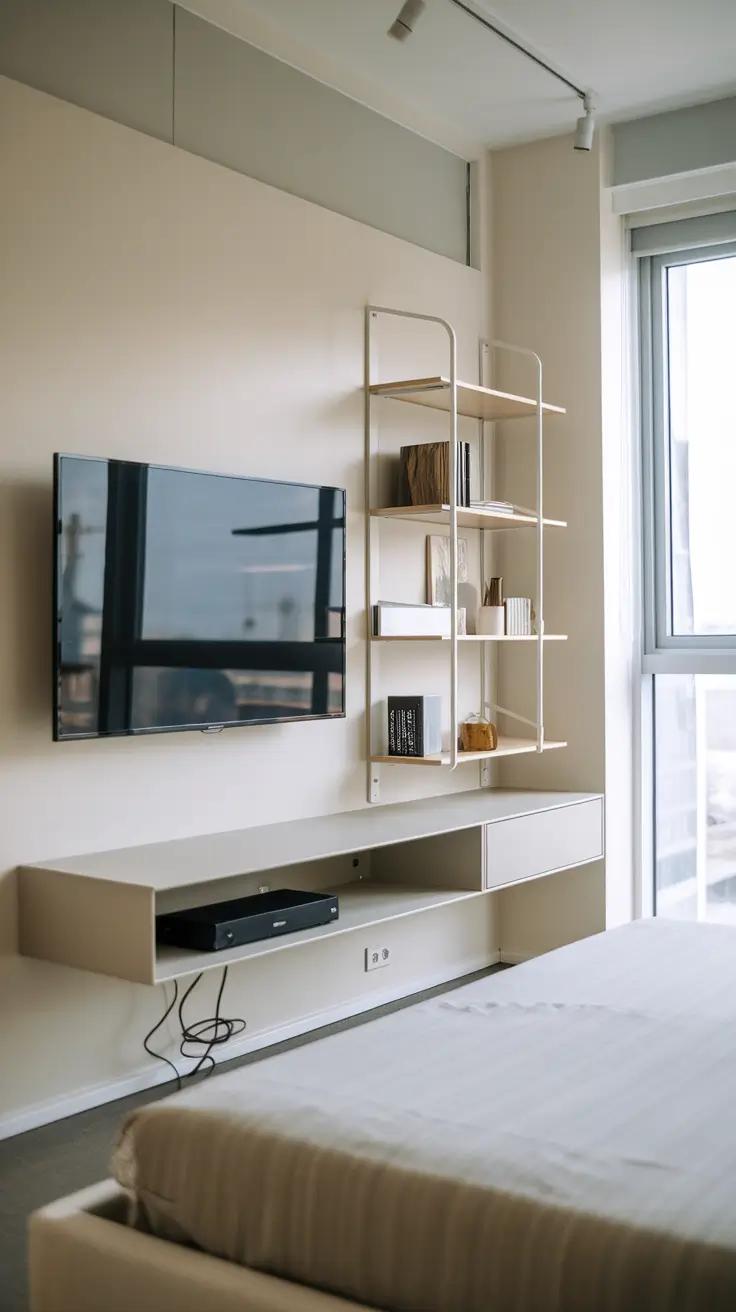
I’ve learned through years of client consultations that people often regret choosing oversized entertainment units for small rooms. According to Better Homes & Gardens, the secret to space-conscious TV integration is proportional scaling, which I always follow. For small bedrooms, minimalism wins every time.
To complete this section, I would add cable management channels to keep wiring invisible and maintain a refined look.
Closet Solutions For Very Small Bedrooms
Small bedrooms often struggle with storage, so I design closet solutions that optimize every centimeter while still looking polished. Sliding doors, open shelving, and vertical storage lines are my go-to elements. For very limited rooms, narrow wardrobes with internal dividers create structured organization without taking up too much physical space. Soft neutrals keep the storage feeling light rather than imposing.
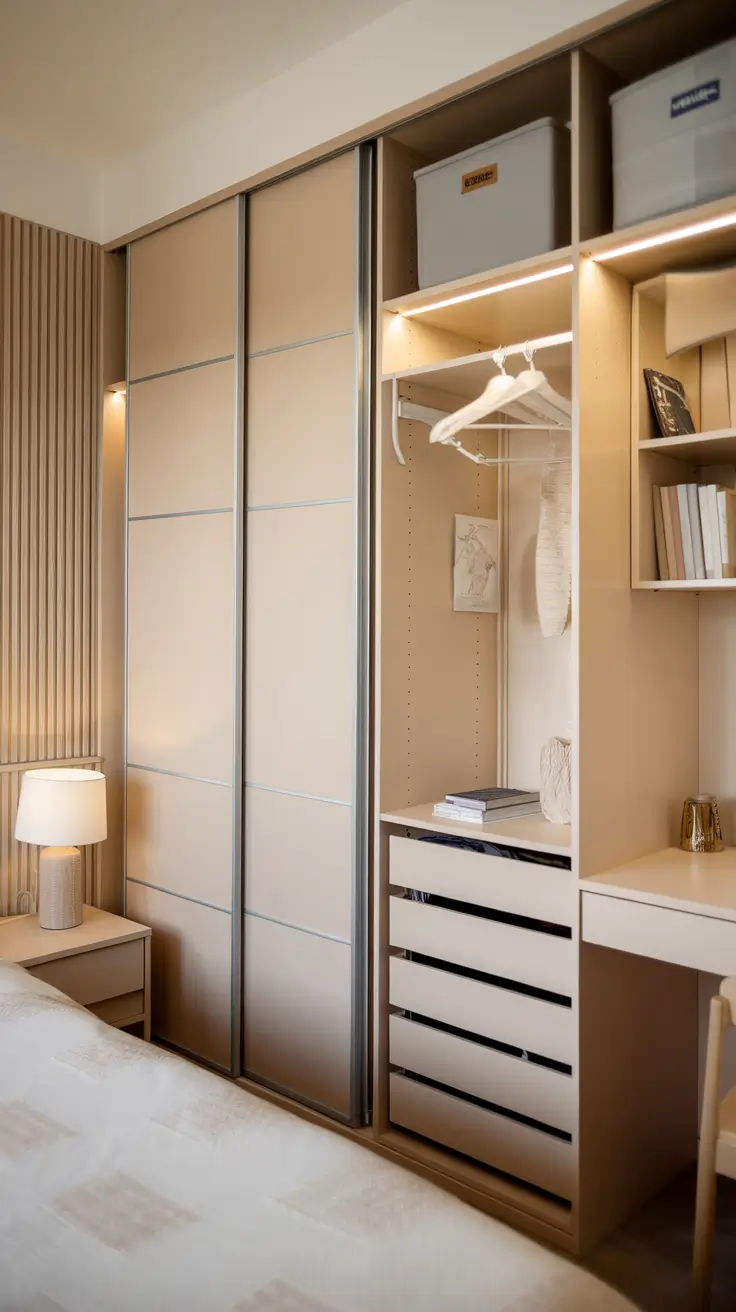
I frequently incorporate Ikea systems because of their adaptable components. A wardrobe with adjustable rods, stackable drawers, and overhead compartments ensures that everything—clothing, bedding, accessories—has its dedicated spot. Hooks and slim baskets help maintain tidiness in extremely tight corners.
From my point of view, even a small closet can feel luxurious when designed thoughtfully. Many well-known organizers, including those featured by The Spruce, emphasize categorization as the top method for maintaining spaciousness, which I consistently apply in my designs.
If I were to expand this concept, I’d add integrated lighting inside the closet to enhance visibility and elevate the overall aesthetic.
Couples’ Bedroom Ideas That Maximize Warmth And Space
When designing warm, intimate layouts for couples in small bedrooms, I focus on warmth-driven elements like soft fabrics, ambient lighting, and harmonious symmetry. Soft taupes, muted terracottas, or warm beiges build a comforting backdrop. A carefully chosen bed—slim-framed queen or compact king size bed—becomes the anchor around which everything else revolves. I aim to maintain clear pathways to preserve spatial flow.
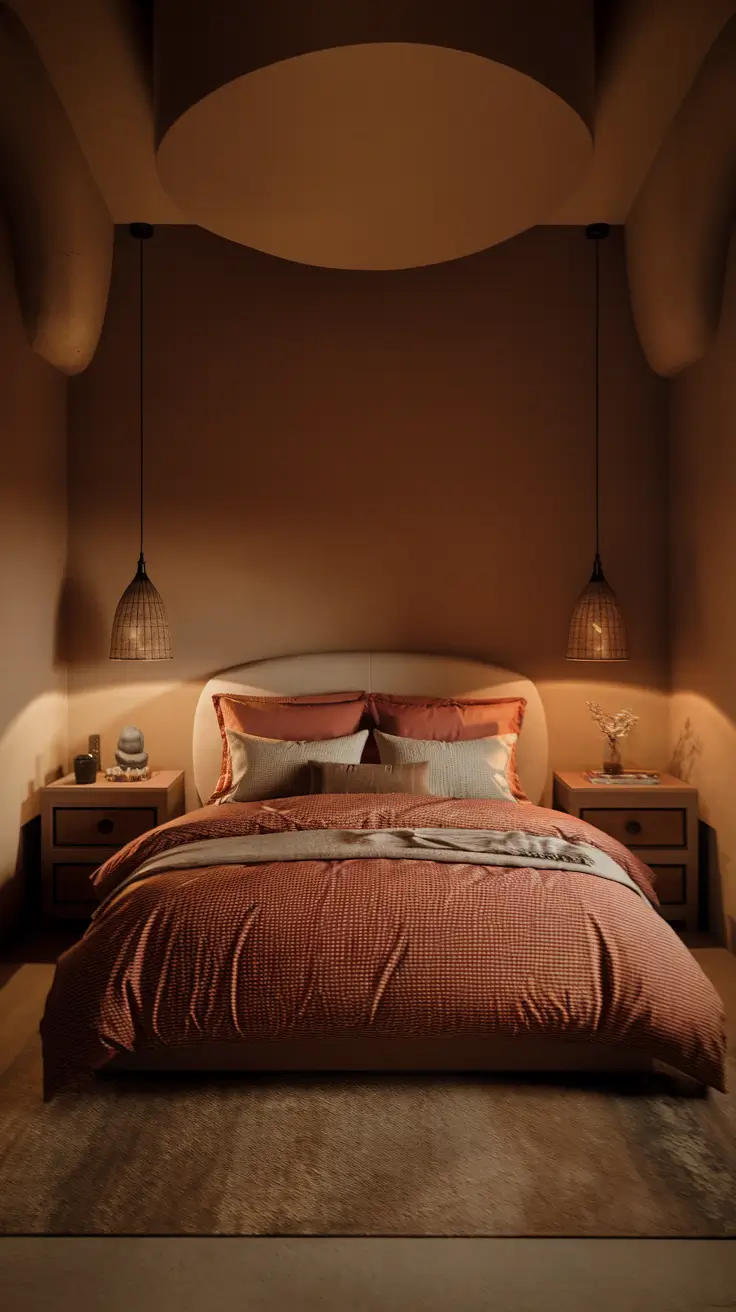
Furniture should be minimal but meaningful. I prefer matching wall-mounted nightstands, pendant lights hanging over each side of the bed, and multipurpose benches. Textural bedding adds depth, while warm metallics like brushed brass can highlight the cozy environment. Storage solutions remain discreet and integrated.
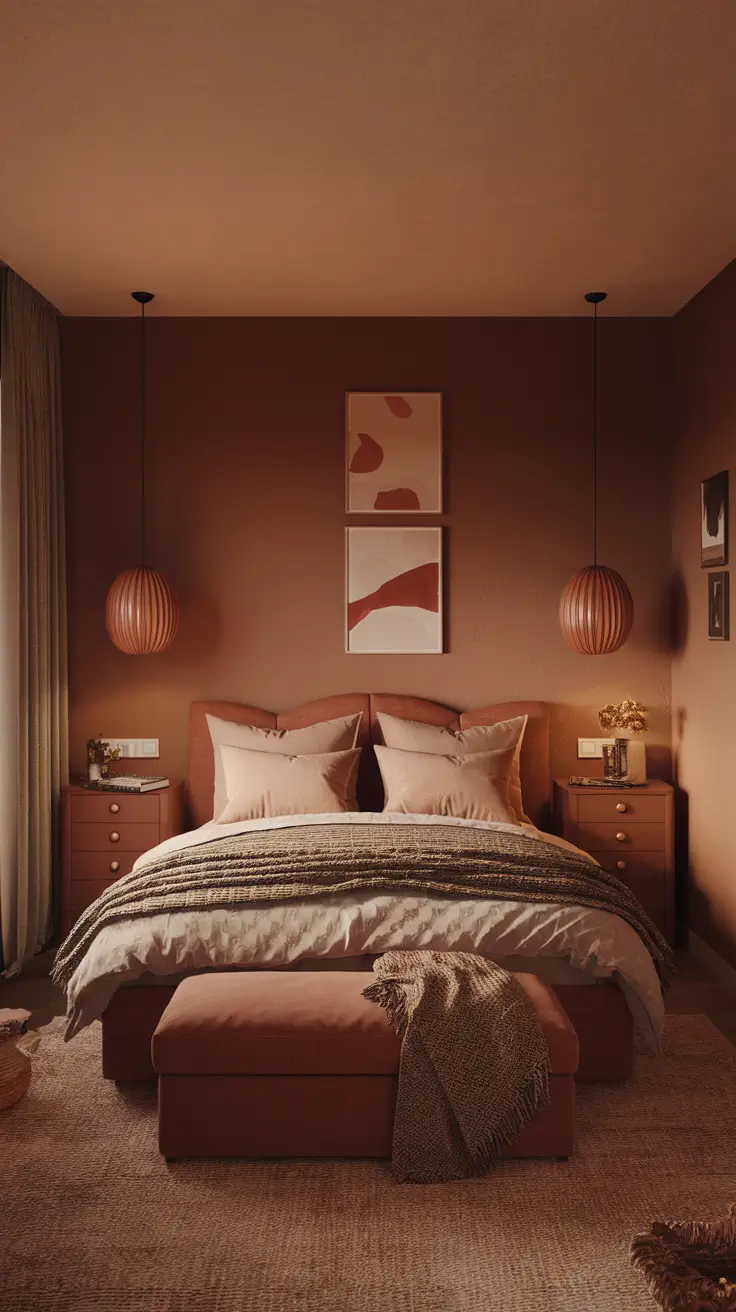
Professionally, I’ve noticed that couples gravitate toward soft lighting more than any other element. Editors at House Beautiful frequently highlight layered lighting as a top method for enhancing intimacy, and I incorporate this advice consistently.
I may also add a soft area rug beneath the bed to further anchor warmth and comfort.
Very Cozy Styling Trends For 2026 Small Rooms
In 2026, I see very cozy styling trends leaning toward tactile surfaces, soft organic shapes, and warm, cocoon-like lighting that transforms even the smallest bedroom into a peaceful hideaway. I often start with warm neutral walls, muted accents like dusty pink, and rounded furniture edges to soften the visual atmosphere. This approach works especially well in compact spaces where comfort is essential, and it allows the room to feel breathable without losing its intimate charm. The result is a deeply cozy aesthetic that supports relaxation while still looking modern and polished.
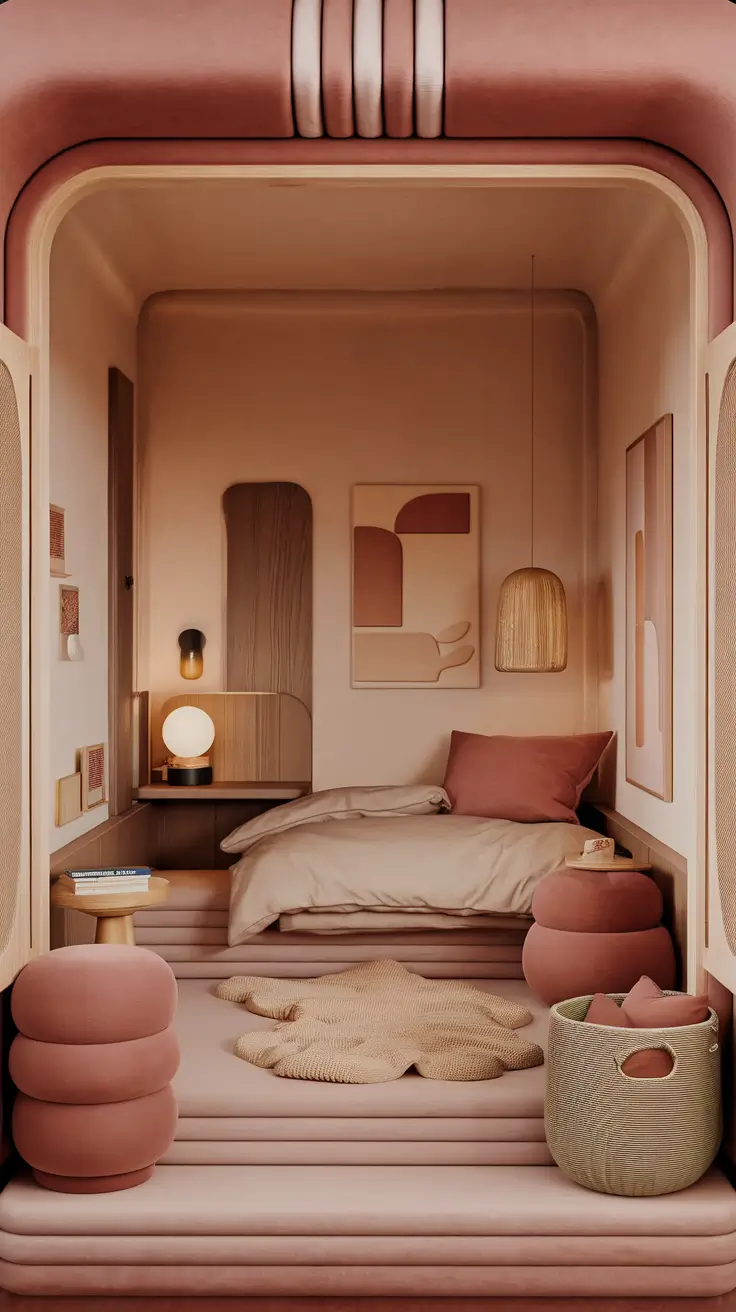
When choosing furniture, I typically incorporate small upholstered headboards, storage-friendly bedside tables, and layered textiles such as oversized throws and padded rugs. A compact single bed or petite double bed ensures enough circulation space around the room, while Ikea accessories like woven baskets or soft-glow lamps help maintain an uncluttered ambiance. Decorative accents—ceramic vases, tactile pillows, or soft wall art—add personality without overwhelming the layout.
In my professional experience, warmth comes from layering, not overcrowding. Editors at Elle Decor often emphasize controlled texture layering as a top strategy for creating emotional comfort in small rooms, and I fully apply this in my cozy styling plans. That added sense of depth is what often makes the biggest difference for homeowners seeking comfort first.
I would also enhance this concept by adding a lightweight canopy or soft fabric panel behind the bed for an extra sense of enclosure and visual warmth.
Teens’ Small Bedroom Trends For Personal Expression
Designing small bedrooms for teens in 2026 invites creativity, personality, and relevance to modern culture. I often incorporate digital influences like Minecraft, Bloxburg, and trending color palettes to help teens develop a space that feels uniquely theirs. Soft neutrals mixed with bold accent colors create an expressive but controlled environment, making the room feel vibrant without being visually chaotic. A flexible layout is essential so the room can adapt to studying, relaxing, or socializing.
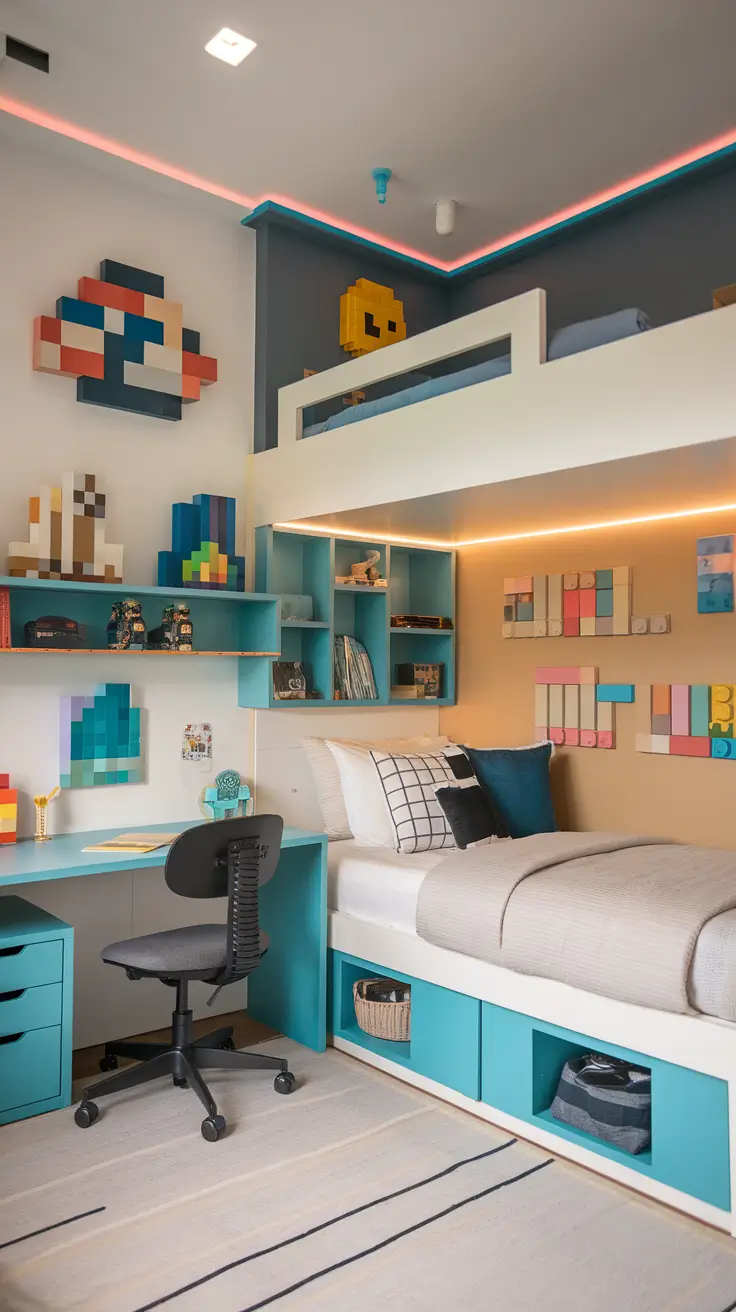
The furniture I choose typically includes a lofted single bed or platform bed with storage beneath, a slim study desk, and wall-mounted shelving for collectibles or décor. Ikea units are especially functional here because teens tend to change their style often, and modular solutions accommodate evolving preferences. Textures, posters, LED strip lights, and customizable cork boards help infuse creativity and individuality into a small footprint.
From my perspective, a teen’s bedroom succeeds when it supports both structure and self-expression. According to design recommendations featured in HGTV’s youth bedroom articles, multifunctional furniture is the most efficient way to allow teens to personalize their rooms without losing valuable space. I use this principle often because it consistently delivers practical yet expressive results.
To strengthen this section further, I would add a small ottoman or bean seat to encourage comfortable lounging without cluttering the room.
Extremely Cozy And Super Aesthetic Ideas For Kids’ Rooms
For kids’ small rooms, I believe the best designs balance practicality, softness, and playful imagination. In 2026, trends lean toward extremely warm and super inviting spaces that still support organization and daily routines. I often start with soft hues, rounded furniture shapes for safety, and layered textures that give the room a nurturing, comfortable feel. Accents like gentle pastels, nature-themed décor, or soft pink tones help maintain visual charm without overstimulating the child.
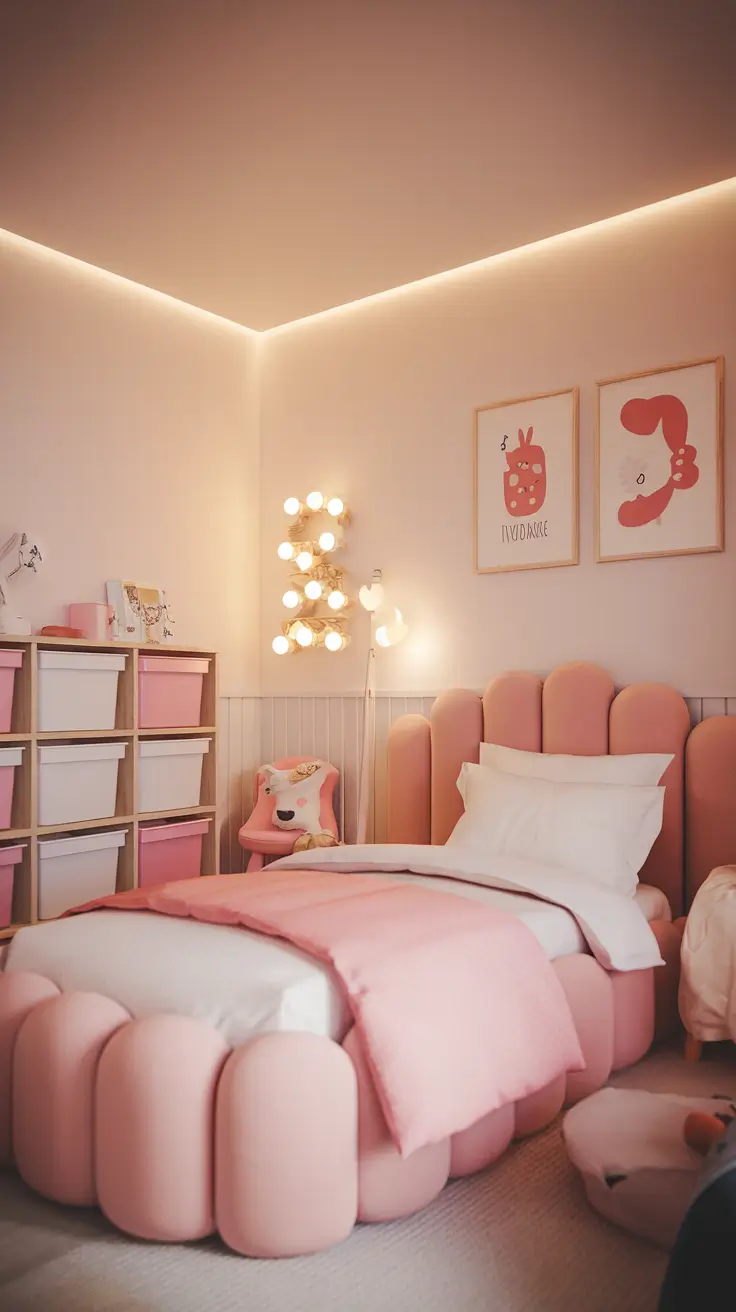
Furniture choices usually include a compact single bed, low-height storage cubbies, and wall-mounted bookshelves to maximize floor space for play. Ikea kid-friendly systems work exceptionally well because they integrate function and simplicity. Adding a small rug, high-quality bedding, and warm ambient lights contributes to a room that’s beautiful, calming, and easy to maintain. Keeping décor lightweight ensures that the room feels cheerful rather than crowded.
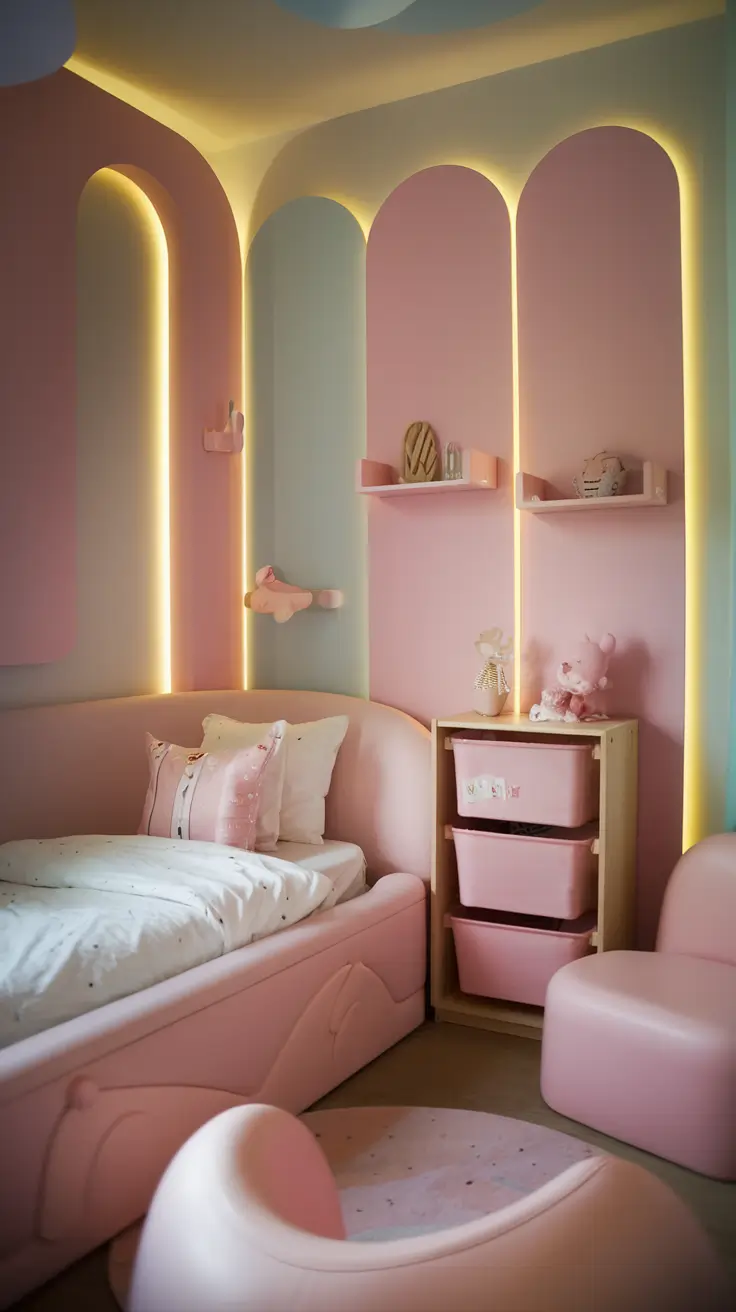
In my experience, kids benefit from rooms that stimulate creativity while preserving peacefulness. Many child development experts quoted in Parents magazine highlight the importance of soft lighting and mindful color usage to support nighttime routines and emotional regulation. I’ve seen this firsthand: gentle light and warm tones have consistently helped create restful environments.
I might expand this section by incorporating a small themed décor element—such as a canopy, wall mural, or shaped pillow—to spark imagination without compromising practicality.